Planning an apartment renovation in Korea and worried about unexpected structural issues halting your project? Discovering structural problems after purchasing can lead to significant costs, delays, and stress for homeowners. The key to avoiding this is thoroughly checking the official building registry (Geonchukmul Hyeonhwangdo) before finalizing your transaction.
Why Do Korean Apartment Renovations Get Halted After Purchase?
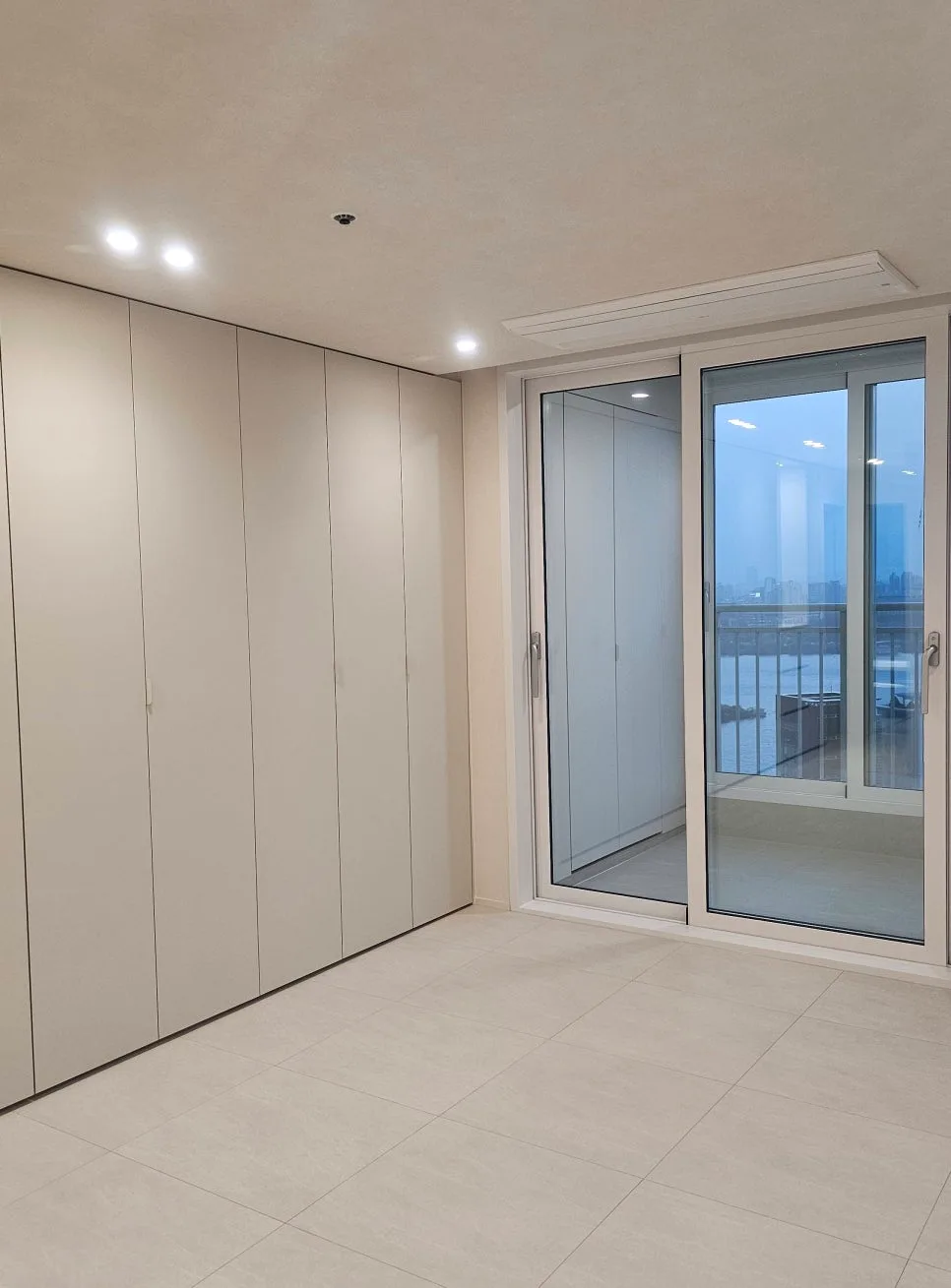
It's a common scenario: homeowners in Korea plan renovations for their newly purchased apartments, only to face a sudden halt due to structural issues. The primary culprits are usually unpermitted internal structural modifications or illegal balcony expansions that the buyer was unaware of. For instance, removing non-load-bearing walls without proper notification or illegally extending balconies are violations of building codes. These issues aren't always apparent from a standard property listing or even during initial viewings. Often, the problems only surface when renovation work begins, leading to disputes and project cancellations. Real estate professionals emphasize that issues stemming from the transaction phase often reveal themselves during the renovation process, highlighting the critical need for due diligence before buying.
How Can You Check for Apartment Structural Issues Before Buying in Korea?
The most effective way to prevent renovation disruptions due to structural problems in Korean apartments is to meticulously review the official building registry, known as the 'Geonchukmul Hyeonhwangdo' (건축물현황도), before finalizing the purchase. While a standard property registry might not detail past modifications, the Geonchukmul Hyeonhwangdo provides precise information on wall placements, any removed structural elements, and the status of balcony expansions. This allows you to identify potential legal violations or structural components that could complicate future renovations. If you still feel uncertain after reviewing the registry, it's highly recommended to engage a professional for an on-site inspection. This proactive step is crucial for preventing future financial losses, time wastage, and stress.
What Legal Problems Arise from Unauthorized Apartment Structural Changes?
Making unauthorized structural changes to an apartment in Korea can lead to serious legal consequences. This includes removing non-load-bearing walls or expanding balconies without the required permits or notifications. Such actions are considered violations of the Building Act, potentially resulting in administrative penalties like mandatory enforcement fines (Ihaeng Gangjegeum) and orders for restoration to the original state. These violations are recorded on the property's official record, which can decrease its market value when you decide to sell. Furthermore, for a new owner unaware of these issues, it can lead to unexpected renovation halts and additional costs. Without prior knowledge, it's difficult to hold anyone legally accountable, leaving the new homeowner to bear the full burden.
What Key Precautions Should Be Taken Before Starting Apartment Renovations in Korea?
Before commencing any interior renovation work on a Korean apartment, the most critical consideration is 'structural integrity.' Even if a home appears sound, past illegal modifications or structural elements that cannot withstand renovation stress could pose risks. Therefore, during the planning phase, thoroughly examine the building registry and, if necessary, conduct an on-site inspection with a professional to identify potential hazards. It’s also vital to choose an interior design company that understands building regulations and safety protocols related to structural changes. To avoid disputes and ensure a smooth renovation process, clearly confirm all structural details with the company and finalize agreements before work begins.
English crawl path
Next English reads from this pilot cluster
Continue through the category hub, latest English stories, and related posts so this translated article is not an isolated URL.
Tags
💬Frequently Asked Questions
What should I check first in Stop Korean Apartment Renovations in 2026: Check Structure First?
Does this Home & Interior article link back to the Korean source?
Where can I find similar English stories?
English discovery path
Explore more English K-culture stories
Keep browsing the indexed English pilot cluster so Google and readers can move between this story, the category hub, and fresh discovery pages.
Original Source
Read the Korean original