Renovating an older Korean apartment, like one built in 2001, typically costs upwards of $25,000 USD, covering essential upgrades such as removing dated cherry wood trim, replacing windows, and complete bathroom overhauls. To ensure a successful remodel, it's crucial to select a contractor with extensive experience and meticulously review the project scope.
Why Renovate Older Korean Apartments & What's the Cost?
An apartment built in 2001, especially a 31-pyeong unit (approx. 1025 sq ft), likely shows significant wear and tear after two decades without major updates. This can include outdated cherry wood trim, old tiles, and aging windows, all impacting aesthetics and functionality. A full renovation, or 'all-in-one' remodel, goes beyond just looks; it's essential for safety and comfort, addressing insulation, waterproofing, and electrical systems. For a 31-pyeong apartment, a comprehensive renovation can range from $25,000 to over $40,000 USD, depending heavily on material choices and the extent of work. This often includes renovating two bathrooms, replacing all windows, and updating flooring and wallpaper. To manage your budget effectively, it's recommended to get detailed quotes from multiple interior design firms and compare them carefully.
How to Achieve a Minimalist Korean Aesthetic by Removing Cherry Wood Trim
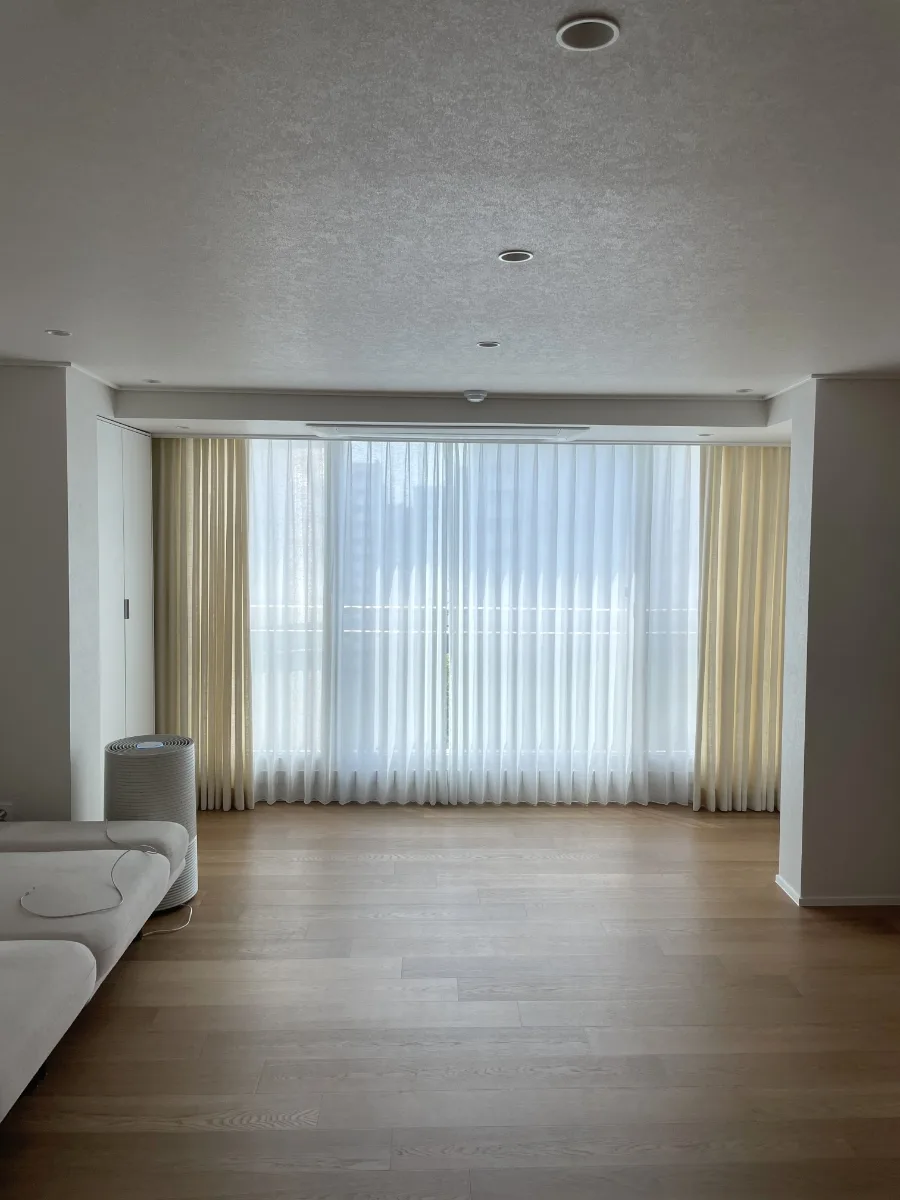
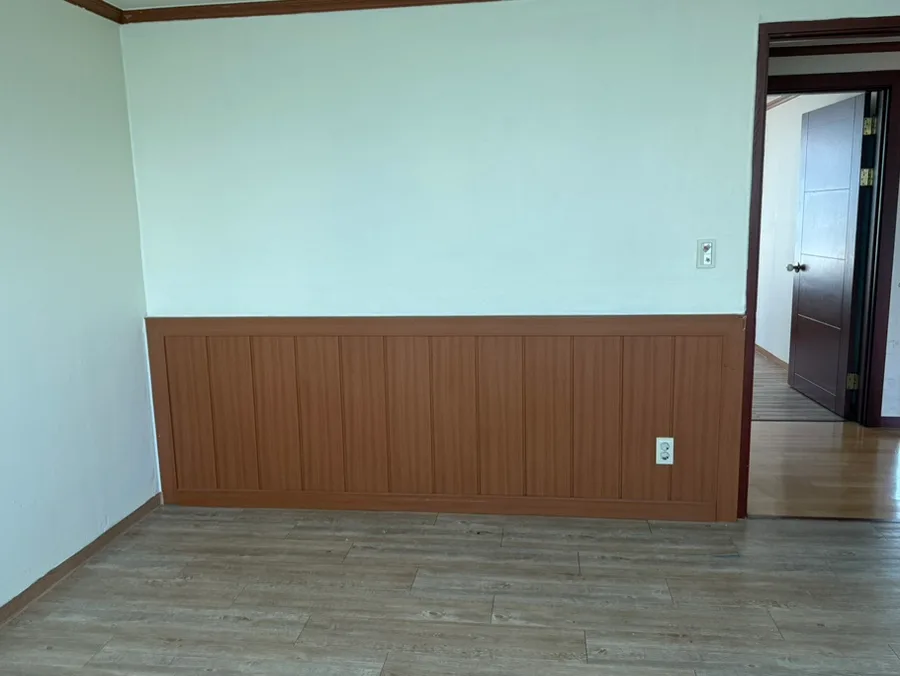
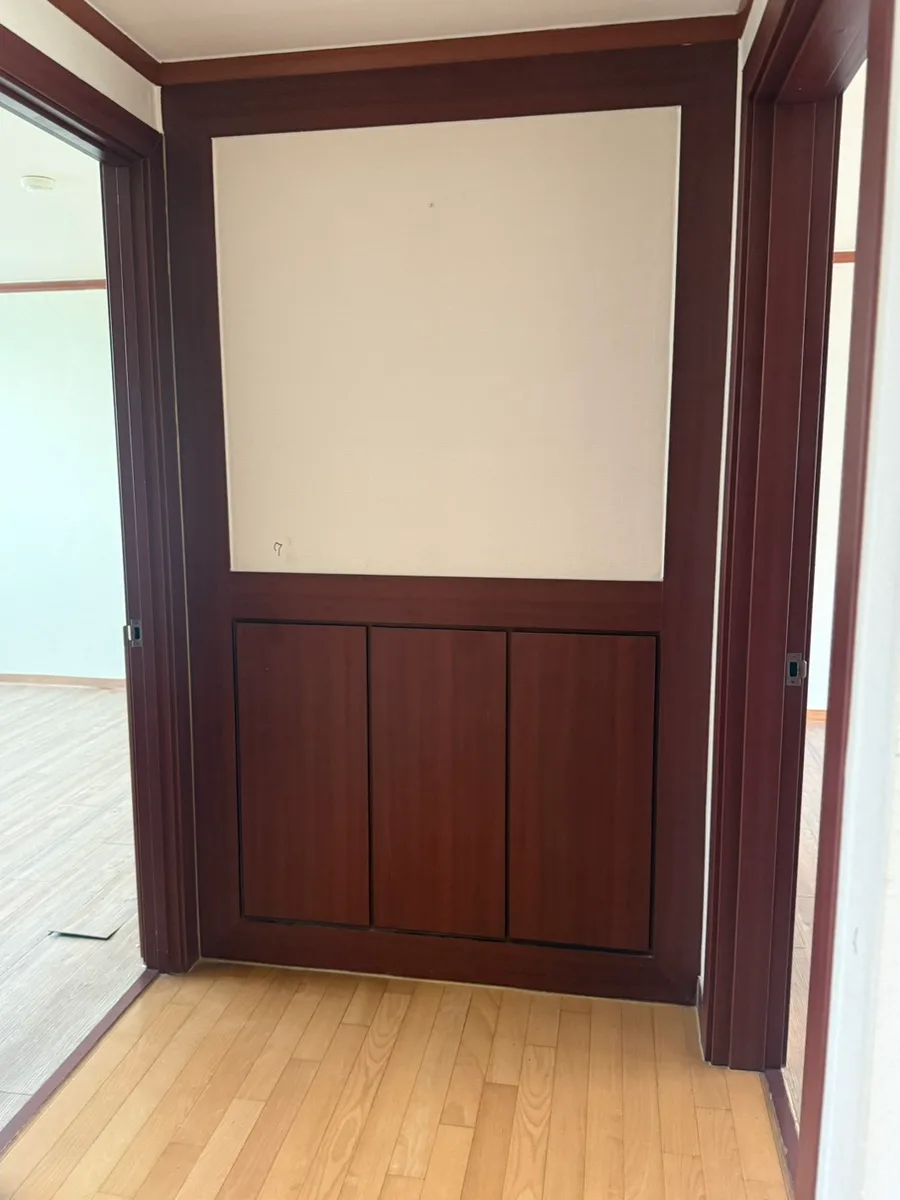
One of the most impactful changes in older Korean apartments is removing the ubiquitous cherry wood trim, which can make spaces feel smaller and darker. Opting for a 'minus molding' or a slim 1.2-inch baseboard can create a visually larger and cleaner look. Using a 0.35-inch door casing and unifying the door and door frame with a matte cream white film, complemented by simple hardware, contributes to a modern, minimalist feel. These subtle yet significant updates can dramatically transform the entire home's ambiance, making a 20-year-old apartment feel brand new. For instance, changing just the trim and casing can make a remarkable difference, as seen in many successful renovation projects.
Key Steps for Bathroom Renovation to Prevent Leaks
Bathrooms in older Korean apartments require particular attention during renovations. Instead of simply covering up old tiles (a 're-tiling' approach), it's best to completely remove the existing flooring and conduct thorough waterproofing. This is the most reliable method for preventing long-term water damage and leaks. After waterproofing, tile installation follows, with options like 12x12 inch or 12x24 inch tiles available to suit your budget and style. Using larger 12x24 inch tiles on the walls can add a touch of luxury. Kitchens can also be refreshed by replacing old tiles, and balconies can be updated with new tiles and a protective coating for a cleaner, more functional space. These comprehensive renovations demand professional assessment and skilled execution.
Considerations for Window Replacement and Electrical Upgrades
Replacing all windows is a crucial step for improving insulation and energy efficiency, ultimately saving on heating and cooling costs. Opting for high-performance windows, such as those with Low-E glass (like KCC's 28T Low-E finished windows), can significantly boost your home's energy efficiency. Given the age of these apartments, it's also wise to inspect and upgrade the electrical wiring, including the main electrical panel, to address potential safety hazards from aging systems. Even the front door can make a big impact; applying a film that matches your home's overall interior design concept can significantly enhance its curb appeal. Ensuring these upgrades are handled by professionals is key to a safe and effective renovation.
Common Mistakes to Avoid in Older Korean Apartment Renovations
A frequent pitfall in renovating older Korean apartments is overspending. Aiming for the most luxurious materials everywhere can quickly exceed your budget. It's essential to prioritize and select materials that offer the best value within your financial plan. Another common mistake is hiring inexperienced contractors or failing to thoroughly review contracts before signing. Waterproofing and insulation in areas prone to moisture, like bathrooms and balconies, are critical and require contractors with proven expertise. Finally, while trends are appealing, it's more important to design a space that suits your lifestyle and preferences for long-term satisfaction, rather than just following fleeting fads.
For more details, check the original source below.