Dreaming of a modern Korean apartment aesthetic? This 2026 guide breaks down how to achieve a minimalist, functional, and stylish living space, drawing inspiration from popular Korean interior design trends. We'll explore smart solutions for maximizing small spaces, creating seamless flow, and infusing warmth and personality into your home, all with a focus on practicality and contemporary elegance.
How to Create a Private Yet Open Korean-Style Entryway?
In Korea, the entryway (or 'hyeon-gwan') is crucial for setting the home's first impression. To balance privacy and openness, consider installing a transparent glass partition wall. This visually separates the entryway from the main living area without making the space feel cramped. Complement this with a hanging entryway cabinet, perfect for storing essentials like keys and mail, keeping the area tidy and functional. This modern approach, popular in recent Korean renovations, creates a clean and practical welcome zone that feels both spacious and secure. Many US homeowners are adopting similar concepts, using frosted glass or sleek floating consoles to achieve this look.
Upgrade Your Living Room: Modernizing Old Windows for Style & Efficiency
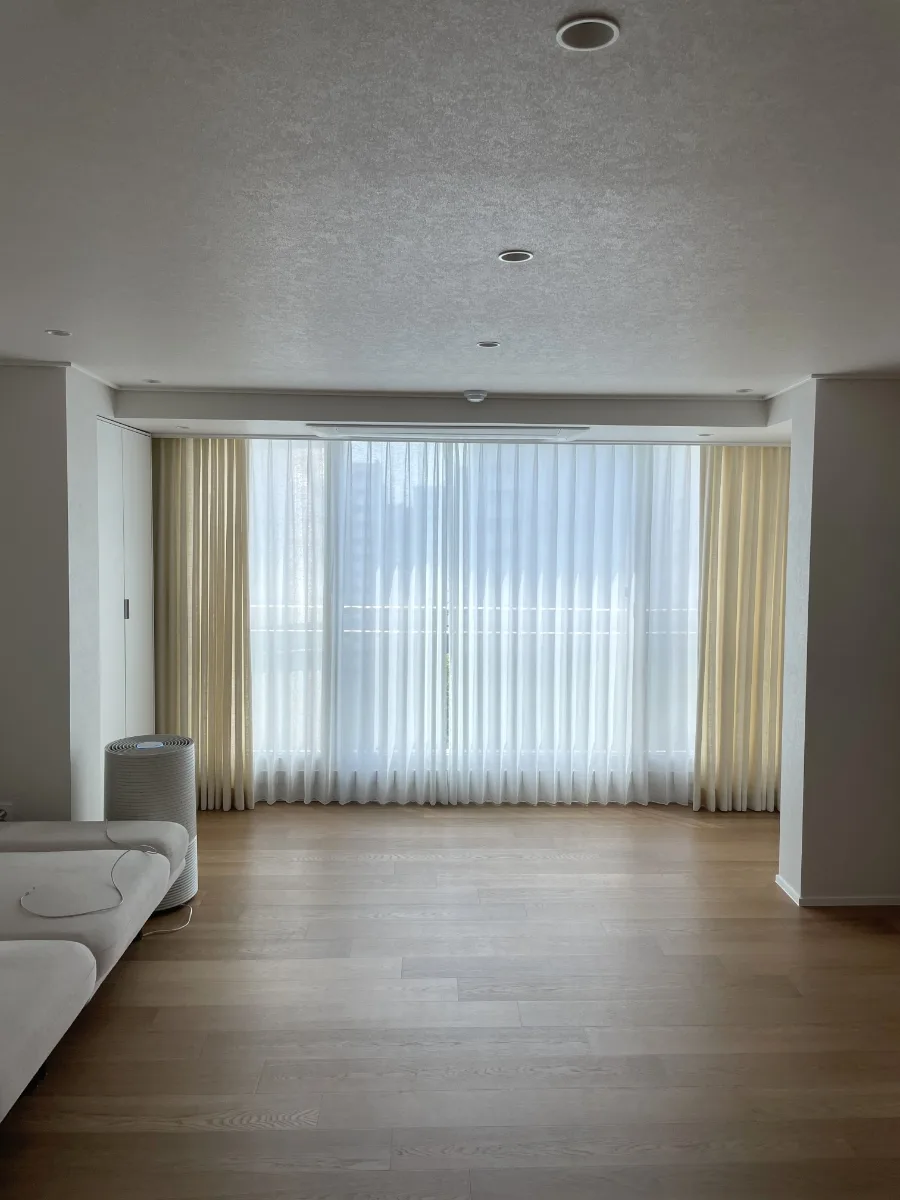
Older Korean apartments often feature rounded window frames, which can feel dated. Replacing these with straight-lined frames offers a significant upgrade in both modern aesthetics and thermal insulation. This simple change can dramatically enhance the room's contemporary feel. Incorporating recessed lighting, like cove lighting or downlights within a curtain box, adds a cozy and minimalist ambiance. These design choices not only improve the visual appeal but also create a more comfortable living environment, reflecting a growing trend towards simplicity and functionality in home design, similar to the popular Scandinavian or Japanese Muji styles found at IKEA or West Elm.
Optimizing Master Bedrooms & Kitchens: Flow, Storage, and Modern Touches

For master bedrooms, consider integrating built-in wardrobes that extend to include a vanity area, creating a streamlined, all-in-one space. This maximizes storage and minimizes clutter for a clean look. In the kitchen, a common renovation involves removing protruding elements like old distribution boxes and installing a対面 (daemyeon-hyeong) island. This creates a more open, conversational cooking space and improves workflow. Using large-format porcelain tiles (e.g., 600x600mm) and a sleek chimney range hood adds a modern, stable feel. Even if the island slightly obscures the window, strategic ventilation ensures functionality, blending practicality with a sophisticated, minimalist design often seen in high-end Korean apartments and available through brands like Samsung or LG.
Designing Kids' Rooms: Insulation, Arches, and Adaptable Play Spaces
Enhancing insulation in children's rooms is vital, often achieved by reinforcing existing window frames and adjusting their size for better thermal performance and visual balance. A popular trend is removing old storage units to create an open archway. This 'arch gate' provides a natural, inviting transition space that can serve as both storage and a playful nook. The soft curves of an arch add warmth and a touch of whimsy, making the room feel more like a cozy haven. This adaptable design caters to a child's evolving needs, offering a safe and stimulating environment that can be reconfigured as they grow, a concept echoed in adaptable furniture found at Crate & Kids or Pottery Barn Kids.
Modern & Hygienic Bathrooms: The Power of Glass Shower Partitions
In shared bathrooms, opting for large-format (e.g., 600x600mm) porcelain tiles creates a sleek, modern foundation. Installing a transparent glass shower partition is a key element for both hygiene and spatial perception. It effectively prevents water from splashing outside the shower area, maintaining a cleaner and drier bathroom environment. Crucially, the clear glass maintains an open sightline, making the bathroom appear larger and more spacious. This design choice combines practicality, ease of cleaning, and an airy aesthetic, contributing to the overall sophisticated and functional appeal of the Korean home interior.
English crawl path
Next English reads from this pilot cluster
Continue through the category hub, latest English stories, and related posts so this translated article is not an isolated URL.
Tags
💬Frequently Asked Questions
What should I check first in Korean Apartment Interior Trends 2026: Modern Design Guide?
Does this Home & Interior article link back to the Korean source?
Where can I find similar English stories?
English discovery path
Explore more English K-culture stories
Keep browsing the indexed English pilot cluster so Google and readers can move between this story, the category hub, and fresh discovery pages.
Original Source
Read the Korean original