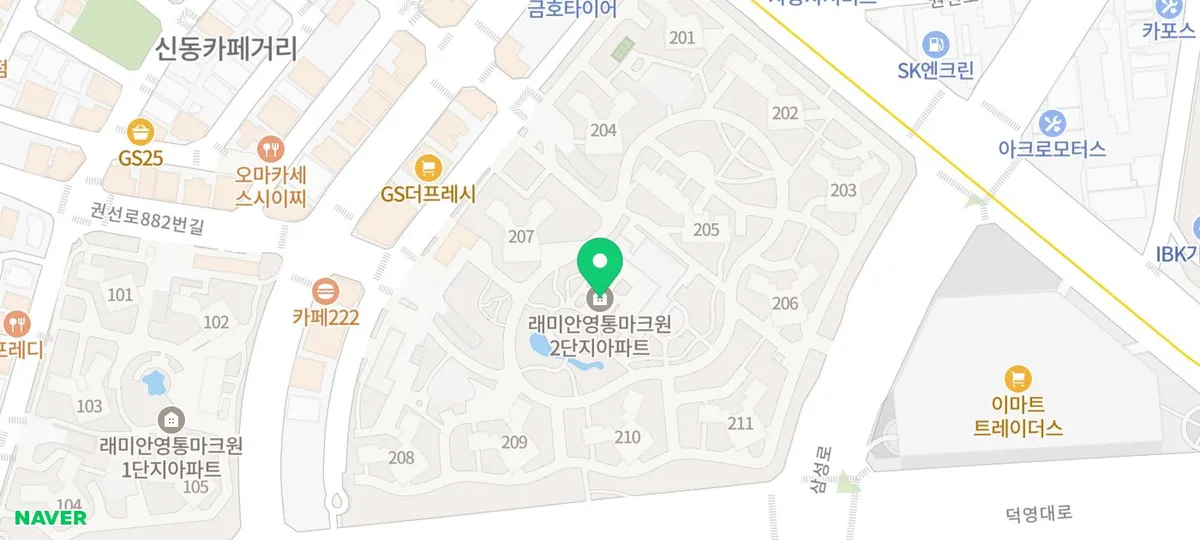
Preparing for an interior renovation in a Korean apartment complex like Raemian Yeongtong Mark One 2nd Complex involves crucial steps: elevator protection, resident consent, and securing clear pathways. Understanding and managing these elements beforehand ensures a smoother renovation process, minimizing disruptions and potential conflicts with neighbors.
What is Elevator Protection for Korean Apartment Renovations?
Before starting any interior work in a Korean apartment, especially in complexes like Raemian Yeongtong Mark One 2nd Complex, professional elevator protection is essential. This service safeguards the elevator's interior walls, floors, ceilings, and control panels from scratches, dents, and other damage that can occur during material transport and debris removal. Typically, this involves using durable, shock-absorbent materials to cover all vulnerable surfaces. In Korea, building management often requires this to prevent disputes and ensure the building's common areas remain in pristine condition. Experienced contractors understand the specific requirements and ensure the protection is installed efficiently and removed cleanly post-renovation, maintaining good relations with building management and residents.
How to Obtain Resident Consent for Korean Interior Projects
In South Korea, undertaking renovations in multi-unit dwellings like apartments often necessitates obtaining consent from fellow residents. This is governed by the building's management regulations, which typically require homeowners to secure agreement for any work that might impact neighbors, such as noise, dust, or increased traffic in common areas. For a project at Raemian Yeongtong Mark One 2nd Complex, this means submitting a renovation plan to the building management office and potentially gathering signatures from affected residents. It's advisable to start this process at least a week before the scheduled start date. Clearly outlining the scope, duration, and potential disturbances in the renovation plan helps in gaining understanding and approval, fostering a cooperative environment.
Securing Renovation Pathways in Korean Apartments
What are the Key Considerations for Renovation Pathways?
Efficiently managing the flow of materials and workers is critical for any apartment renovation, particularly in densely populated Korean complexes. For a project at Raemian Yeongtong Mark One 2nd Complex, this involves coordinating with the building management regarding elevator usage times and designated routes for bringing in supplies and removing waste. It's crucial to schedule elevator access in advance to avoid peak hours and minimize inconvenience to other residents. Planning clear pathways not only speeds up the renovation but also enhances safety by reducing the risk of accidents. Ensuring proper waste disposal protocols are followed, as per building regulations, is also a key aspect of responsible renovation management.
What to Watch Out For During Elevator Protection and Consent Processes
When undertaking elevator protection and resident consent for a renovation in a Korean apartment complex like Raemian Yeongtong Mark One 2nd Complex, several points require attention. Firstly, the protective materials used must be robust enough to withstand impacts and prevent damage; flimsy materials won't suffice. Secondly, when seeking resident consent, transparency is key. Clearly communicate the renovation's scope, expected noise levels, and duration, and be prepared to address any concerns promptly and respectfully. Building a good rapport with neighbors and management is vital. Finally, remember that professional renovation services in Korea often offer comprehensive packages that include these preparatory steps, ensuring compliance with all regulations and smooth project execution. Many services also offer transparent billing, including tax invoices, and post-completion support.
Learn more about renovation preparation with TeamPlace.