In 2026, the Korean apartment interior design scene continues to blend minimalist aesthetics with practical functionality. This guide breaks down the key elements of 'K-interior,' offering insights into popular styles, cost considerations in USD, and how to achieve a similar look in your US home, drawing inspiration from Seoul's trending apartment designs.
What is the 'Korean Aesthetic' in Home Interior Design?
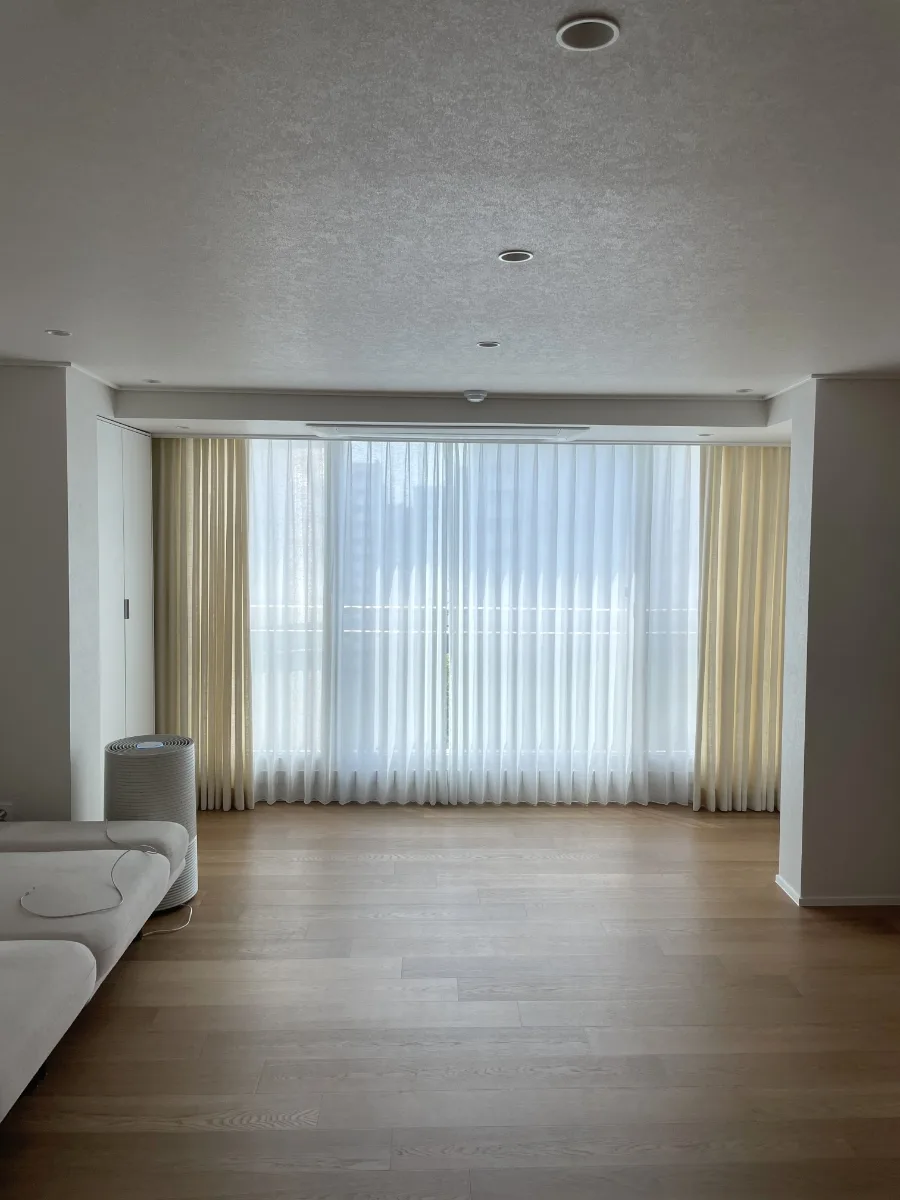
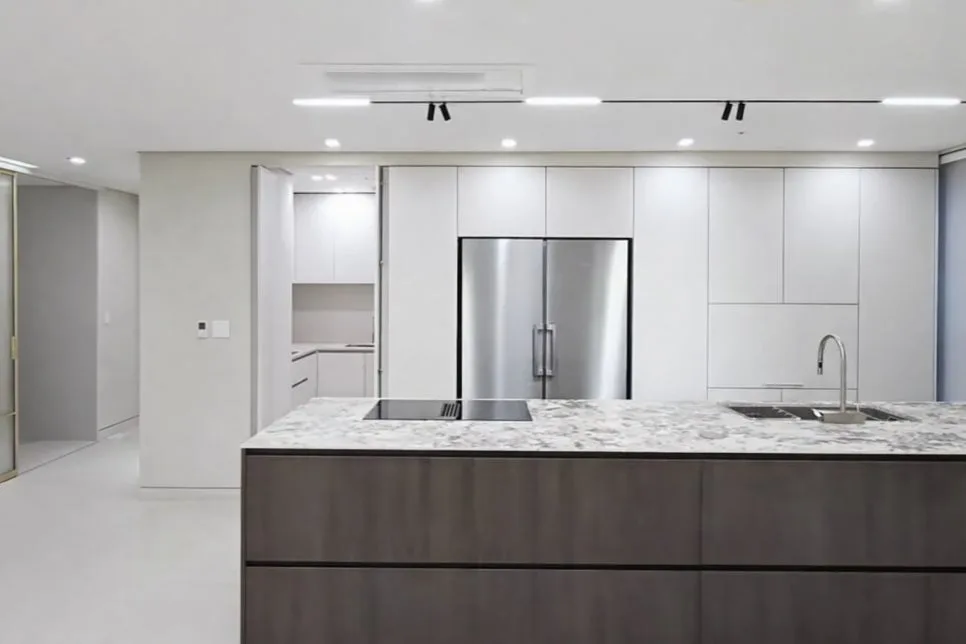
The 'Korean aesthetic' in home interiors, often referred to as K-interior, is characterized by a serene, minimalist, and highly functional approach. Think clean lines, a neutral color palette (whites, beiges, soft grays), and an emphasis on natural materials like wood and stone. Unlike the sometimes stark minimalism found in Western design, Korean minimalism often incorporates warmer textures and subtle pops of color through plants or carefully chosen decor. It prioritizes creating a calming, clutter-free environment that promotes well-being. Brands like MUJI have popularized this style globally, but Korean designers often add a unique touch of understated elegance and smart space utilization, especially in smaller urban apartments. You'll find this aesthetic reflected in popular Korean dramas and the homes of many Korean celebrities, making it a sought-after look for those seeking a peaceful and stylish living space.
How to Achieve a Korean Minimalist Apartment Style
Achieving a Korean minimalist apartment style is about thoughtful curation and smart design choices. Start with a neutral base: think crisp white walls, light wood flooring, and furniture in muted tones. Prioritize multi-functional furniture, a hallmark of Korean apartment living where space is often at a premium. Look for pieces with clean, simple silhouettes, like a sleek platform bed or a modular sofa. Incorporate natural elements through wooden accents, woven baskets, or plenty of indoor plants to add warmth and life. Smart storage solutions are key; opt for built-in cabinets or minimalist shelving units that keep clutter out of sight. Lighting plays a crucial role too – layered lighting with soft, ambient options can create a cozy atmosphere. For US shoppers, stores like IKEA, CB2, and even Amazon offer many pieces that can help you achieve this look without breaking the bank. The goal is to create a space that feels open, airy, and deeply calming.
Korean Interior Design vs. Western Approaches: Key Differences
While both Korean and Western interior design often value aesthetics and functionality, their approaches can differ significantly. Western design can be more diverse, ranging from bold maximalism to classic traditional styles, often with a greater emphasis on statement pieces and intricate details. Korean interior design, particularly the trending K-interior, leans heavily towards a refined, understated minimalism that prioritizes harmony and tranquility. Where Western design might use bold patterns or contrasting colors, Korean design favors subtle textures and a cohesive, muted palette. Space optimization is also paramount in Korean homes, leading to innovative multi-functional furniture and built-in solutions that might be less common in larger Western homes. Furthermore, Korean design often incorporates elements of 'Jeong' (정), a concept of emotional connection and warmth, through cozy textures and inviting layouts, creating a sense of comfort that goes beyond mere aesthetics. This focus on creating a peaceful sanctuary is a defining characteristic of the Korean aesthetic.
What are the Cost Considerations for Korean-Inspired Interiors in the US?
When budgeting for a Korean-inspired interior in the US, costs can vary widely based on your choices. For a 30-평 (approximately 1,000 sq ft) apartment, a basic refresh focusing on paint, minimalist furniture, and decor might range from $5,000 to $15,000 USD. This could involve purchasing items from affordable retailers like IKEA, Target, or Amazon, and perhaps investing in a few key pieces like a quality sofa or bed frame. If you're looking for a more comprehensive renovation, including custom cabinetry, updated flooring, and higher-end finishes inspired by Korean design trends, expect costs to be significantly higher, potentially ranging from $20,000 to $40,000+ USD. It's crucial to get detailed quotes from contractors if undertaking major work. Remember to factor in potential unexpected costs, as is common in any renovation project, by setting aside a contingency fund of about 10-15% of your total budget. Smart shopping and prioritizing key elements can help you achieve the desired aesthetic within your budget.
English crawl path
Next English reads from this pilot cluster
Continue through the category hub, latest English stories, and related posts so this translated article is not an isolated URL.
Tags
💬Frequently Asked Questions
What should I check first in Korean Apartment Interior Design 2026: Style & Cost Guide?
Does this Home & Interior article link back to the Korean source?
Where can I find similar English stories?
English discovery path
Explore more English K-culture stories
Keep browsing the indexed English pilot cluster so Google and readers can move between this story, the category hub, and fresh discovery pages.
Original Source
Read the Korean original