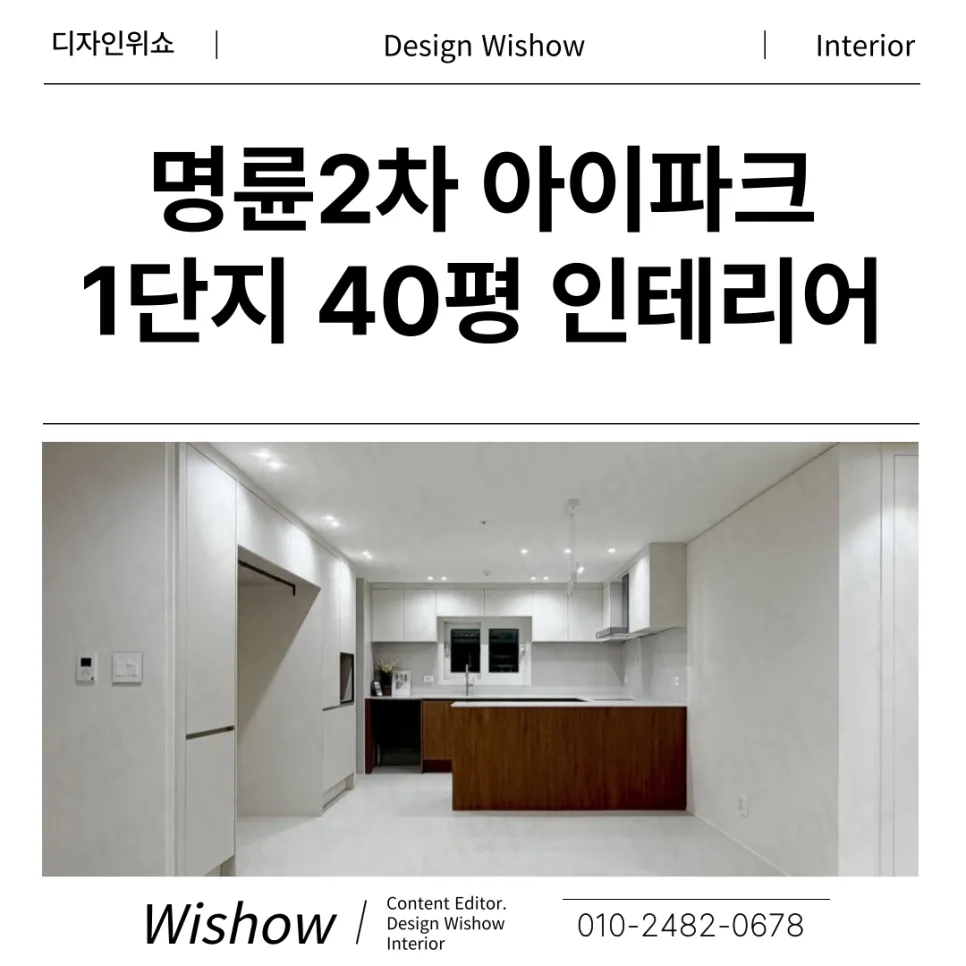
Achieving a high-quality interior for a spacious 40-pyeong (approx. 1,320 sq ft) Korean apartment, like the Myeongnyun 2nd I-Park in Busan, involves more than just size. The true difference lies in the design standards, material choices, and structural balance. This guide focuses on elevating your Korean home decor, whether you're aiming for a minimalist aesthetic or a sophisticated K-interior, drawing inspiration from popular Korean apartment styles that resonate with US trends like Muji-style minimalism.
Why Do Identical 40-Pyeong Korean Apartments Have Different Interior Quality?
The perceived quality of an interior in a large apartment, such as a 40-pyeong unit, can vary dramatically. Without clear design principles, expansive spaces can easily appear ordinary. In projects like the Myeongnyun 2nd I-Park, a foundation of white and wood tones, minimal extraneous elements, and careful balancing of finishes and structures are key to achieving a sophisticated look. For larger homes, a lack of detail can lead to a bland appearance, making custom design tailored to the resident's lifestyle crucial. This approach goes beyond simply showcasing a large floor plan; it's about creating an optimal living environment that reflects the inhabitant's needs and aesthetic preferences, a hallmark of modern Korean interior design.
What Role Does the Entrance Hall Play in a Korean Home's Overall Impression?
The entrance hall, or entryway, is critical as it sets the first impression for your entire home. A well-organized entryway contributes to an overall sense of neatness and order. In this Myeongnyun 2nd I-Park example, the floor was finished with large 600x600mm (approx. 24x24 inch) tiles for a clean look, and a non-symmetrical swing-door partition was installed. This design separates the space without feeling claustrophobic, effectively balancing practicality with aesthetic appeal. Such entryway designs are pivotal in shaping the home's atmosphere, making it essential to consider not just visual elements but also traffic flow and storage solutions.
How Do Ceiling and Lighting Design Influence the Atmosphere of a Korean Living Room?
The living room, often the largest area in a home, is where interior design differences are most apparent. The ambiance of a living room is significantly shaped by its ceiling and lighting design, often more so than wall treatments. Incorporating a coffered ceiling (우물천장) adds architectural depth, while strategically placed recessed and indirect lighting creates both brightness and a cozy mood. The addition of a ceiling fan further enhances functionality and style. These elements of ceiling and lighting planning are vital for defining the living space's perceived depth and overall character, contributing to a sophisticated Korean aesthetic room.
Why Are Kitchen Workflow and Electrical Design Prioritized Over Pure Aesthetics in Korean Homes?
The kitchen is one of the most frequently used spaces, so long-term satisfaction often hinges more on user convenience than on purely decorative aspects. The core of a great kitchen design lies in an efficient workflow and robust electrical planning, rather than just aesthetics. This particular kitchen features a clean finish with 600x600mm (approx. 24x24 inch) tiles and incorporates dedicated wiring for appliances like induction cooktops and dishwashers. Ensuring safety and ease of use through thoughtful layout and electrical setup significantly enhances the daily experience. Prioritizing workflow and safety in kitchen renovations is a key principle in modern Korean home decor, aligning with the practical, minimalist trends seen globally.
What Should You Consider to Maximize Satisfaction After an Interior Renovation?
To ensure satisfaction after an interior renovation, especially for a large Korean apartment, focus on the scope and quality of work rather than just the lowest bid. Understanding the construction standards and criteria is paramount. It's often more beneficial to identify opportunities within the existing structure rather than undertaking a complete overhaul. For instance, preserving and enhancing original architectural features can add unique character and value. This approach ensures that the final result is not only aesthetically pleasing but also practical and tailored to your lifestyle, embodying the essence of Korean minimalism and smart living.
For more details, check the original source below.