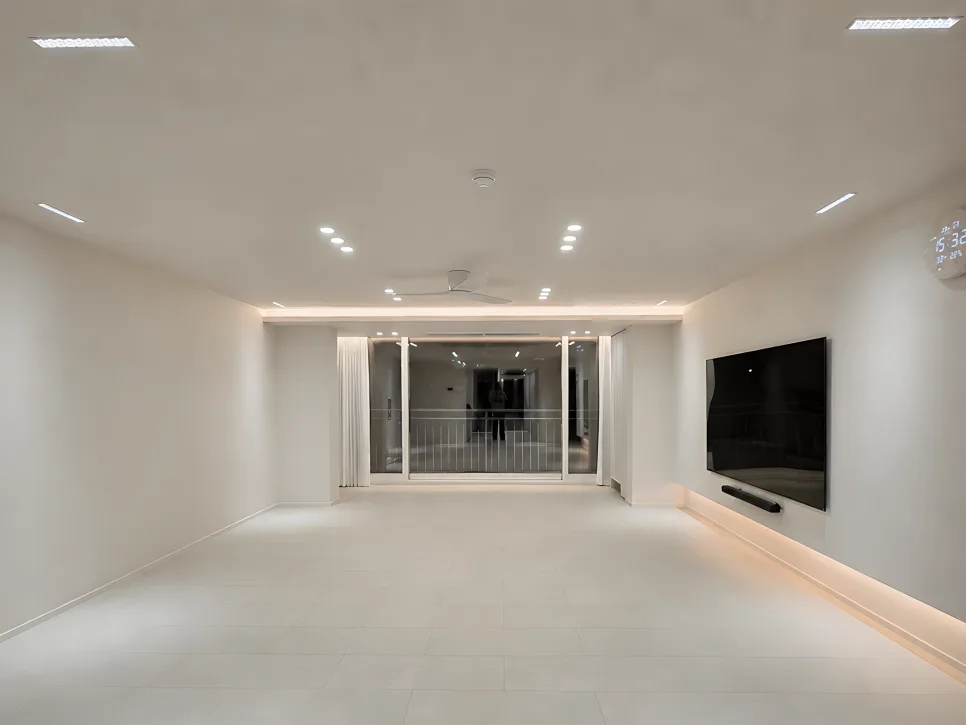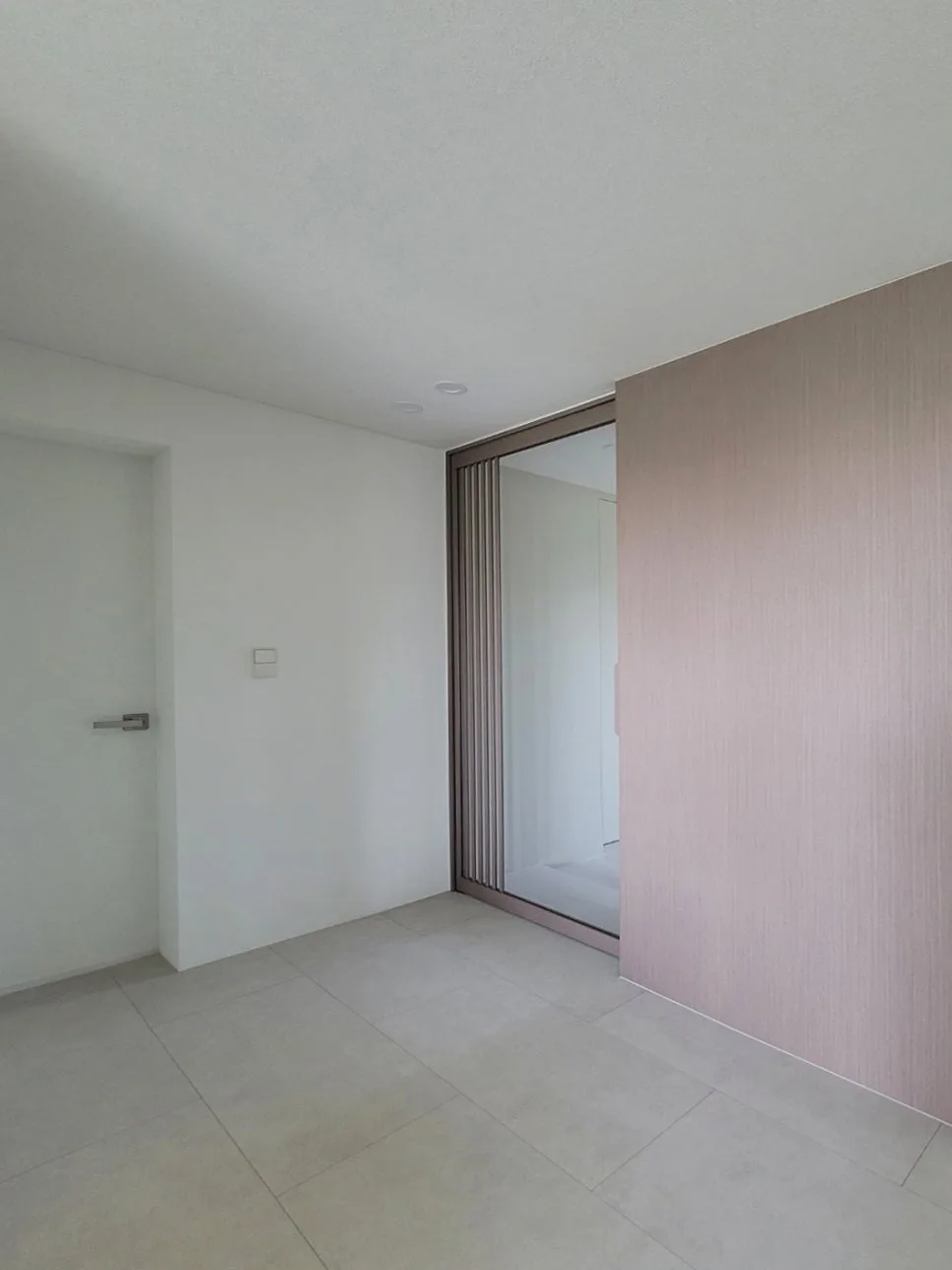
Korean apartment interiors in 2026 are focusing on a blend of modern minimalism and smart functionality, with an estimated budget of around $15,000 - $20,000 for a full renovation. Key trends include seamless 'no-border' walls, energy-efficient ceiling fans, and sophisticated 300x600mm tile bathrooms, creating spaces that feel both expansive and chic. This approach prioritizes a clean aesthetic often seen in popular K-interior styles.
What to Consider for Your Korean Apartment Interior Design in 2026?
When planning your Korean apartment interior, the first crucial steps involve setting a realistic budget and defining your overall design concept. For entryways, focus on clean lines and sophisticated material transitions to create a welcoming first impression. In living areas, consider using marble-effect luxury vinyl plank (LVP) flooring paired with walnut-toned film finishes on doors and cabinets for a warm yet upscale ambiance. Kitchens require a balance of aesthetics and practicality; tailor the layout to your family size, existing appliances, and cooking habits. For instance, if you're adding a new kimchi refrigerator alongside your main fridge, ensure adequate space and efficient workflow are planned from the start. This thoughtful design process is key to achieving the sought-after Korean apartment style.
What Are the Latest Interior Trends for Korean Apartments in 2026?
Embracing the latest interior trends for 2026 in your Korean apartment can significantly enhance both comfort and style. Installing ceiling fans in every room is a smart move to boost heating and cooling efficiency, offering a cost-effective alternative to extensive air conditioning setups. Opting for 'no-border' wallpaper, like those from LG Best, creates a sleek, minimalist look that makes walls appear more expansive. For bathrooms, a modern aesthetic can be achieved with 300x600mm tiles, light-colored finishes, and high-quality fixtures like American Standard toilets and faucets, creating a spa-like feel. Practical additions, such as a power outlet near the towel warmer, can also elevate daily convenience. These elements contribute to the overall K-interior aesthetic that is gaining popularity globally.
Korean Apartment Interior Renovation: Costs and Timeline for 2026
A full renovation for a Korean apartment like the Namak Shindongah Famille is typically estimated to take between 3 to 4 weeks in 2026. However, the exact duration can vary based on the scope of work, material availability, and site-specific conditions. Financially, while a baseline budget of around $15,000-$20,000 is a good starting point for a comprehensive remodel, the final cost can fluctuate significantly depending on the quality of materials chosen, the complexity of the design, and any additional features you opt for. For example, integrating a custom entryway design with matching film finishes for the flooring and doors, or ensuring a perfect color match between the living room flooring and wall films, will add to the overall expense. Consulting with a professional designer or contractor for a detailed quote is essential for accurate budgeting.
Common Mistakes to Avoid in Korean Apartment Interior Design
One of the most frequent missteps in Korean apartment interior projects is prioritizing aesthetics over functionality, particularly in the kitchen. Issues like insufficient storage, inefficient workflows, and inadequate lighting can lead to daily frustrations. Furthermore, overlooking the finer details where different materials meet—such as the transition between entryway tiles and living room flooring—can detract from the overall finish quality. A poorly executed seam can make the entire space feel less polished. To avoid these pitfalls, engage in thorough consultations with design professionals before starting construction. This ensures that your plan balances aesthetic appeal with your unique lifestyle needs, resulting in a personalized and practical living space that truly reflects the Korean minimalism trend.
For more details, check the original source below.