Dreaming of a modern Korean apartment makeover? This guide breaks down the principles of K-interior and how to achieve a minimalist, stylish space, drawing inspiration from popular Korean home decor trends. Discover how to blend functionality with aesthetic, similar to Muji-style minimalism, and find US-accessible alternatives for that coveted Korean apartment style.
What is Korean Interior Design (K-Interior)?
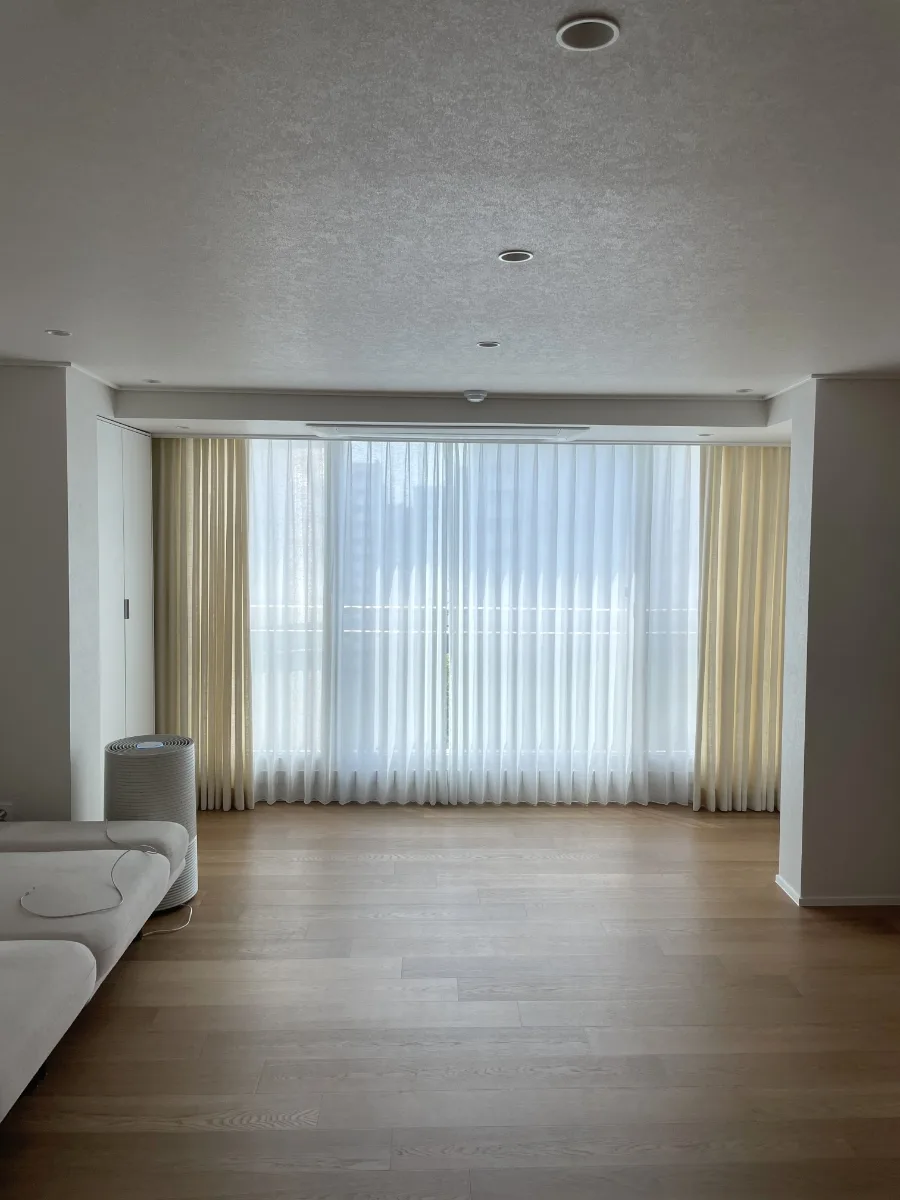
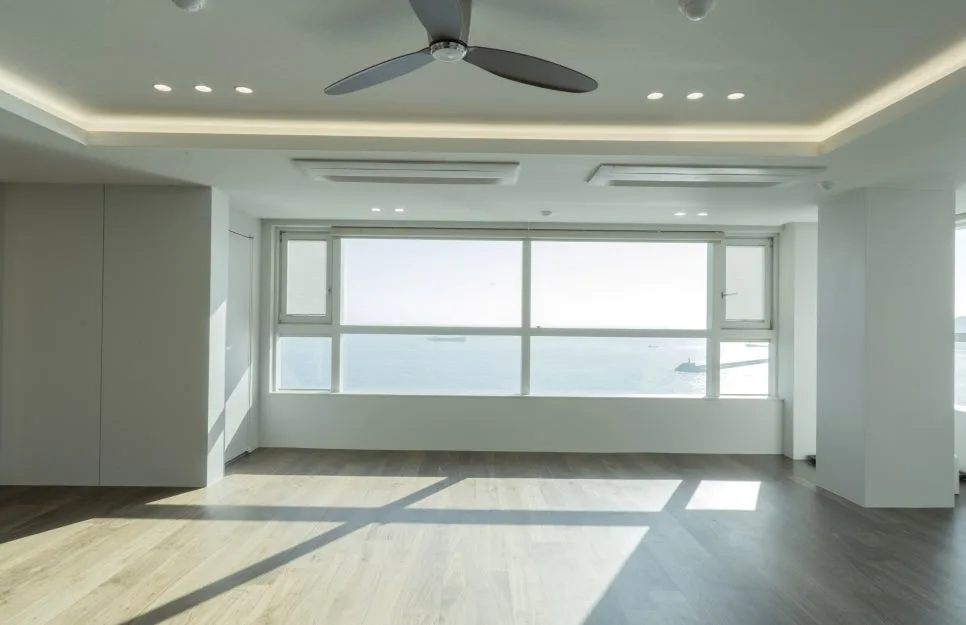
Korean interior design, often called K-interior, emphasizes clean lines, natural materials, and a sense of calm, functional living. Unlike Western approaches that might favor bold statements or maximalist decor, K-interior leans towards a minimalist aesthetic that prioritizes decluttering and creating a serene atmosphere. Think of the understated elegance found in brands like MUJI, but with a distinct Korean sensibility. This style often incorporates elements like light wood tones, neutral color palettes (whites, beiges, soft grays), and smart storage solutions to maximize space, especially in smaller apartments. The goal is to create a harmonious living environment that feels both cozy and sophisticated, a stark contrast to the often more ornate or utilitarian styles seen in Western homes. It’s about intentional living, where every item has a purpose and contributes to the overall tranquility of the space.
How to Achieve a Korean Minimalist Aesthetic at Home
Achieving a Korean minimalist aesthetic involves a thoughtful approach to space and belongings. Start by decluttering ruthlessly; the core of this style is simplicity. Opt for furniture with clean, simple designs, similar to what you might find at IKEA or CB2, but focus on natural materials like light-colored wood. Neutral color palettes are key – think soft whites, warm beiges, and muted earth tones for walls and large furniture pieces. Incorporate smart storage solutions like built-in cabinets or minimalist shelving units (available on Amazon) to keep clutter out of sight. Lighting plays a crucial role; aim for soft, diffused ambient lighting rather than harsh overhead lights. Plants are often used to add a touch of nature and life, bringing the outdoors in. This approach creates a serene, organized, and visually appealing living space that feels both modern and inviting, reflecting the popular 'Korean apartment style' seen online.
Korean vs. Western Apartment Decor: Key Differences
The primary difference between Korean and Western apartment decor lies in their philosophical approach. Western design often embraces personalization through a wider variety of decorative items, bolder colors, and distinct stylistic themes (e.g., farmhouse, industrial). Korean interior design, conversely, prioritizes a unified, minimalist aesthetic focused on functionality and tranquility. While Western homes might feature statement pieces or intricate patterns, K-interior favors subtle details and a harmonious flow. For instance, a Western living room might have a vibrant accent wall, whereas a Korean-inspired room would likely maintain a neutral palette, perhaps adding warmth through textured throws or wooden accents. Storage is also approached differently; Western design might use open shelving for display, while K-interior prefers concealed storage to maintain a clean look. This focus on understated elegance and intentional living is what defines the unique 'Korean aesthetic room'.
Where to Find Korean-Inspired Home Decor in the US
Bringing the Korean aesthetic into your US home is more accessible than ever. While dedicated K-interior stores are rare, you can find similar styles through various retailers. Look for minimalist furniture and decor with clean lines and natural materials at stores like IKEA, West Elm, CB2, and even Amazon, which offers a vast selection of affordable options. Brands like MUJI are direct inspirations for this style. For specific items like subtle ceramic vases, simple wooden trays, or neutral-toned textiles, explore smaller online boutiques or even Etsy sellers specializing in minimalist or Scandinavian-inspired decor, which shares many commonalities with K-interior. Pay attention to product descriptions mentioning natural wood, matte finishes, and simple silhouettes to capture that authentic Korean home decor feel.
For more details, check the original source below.