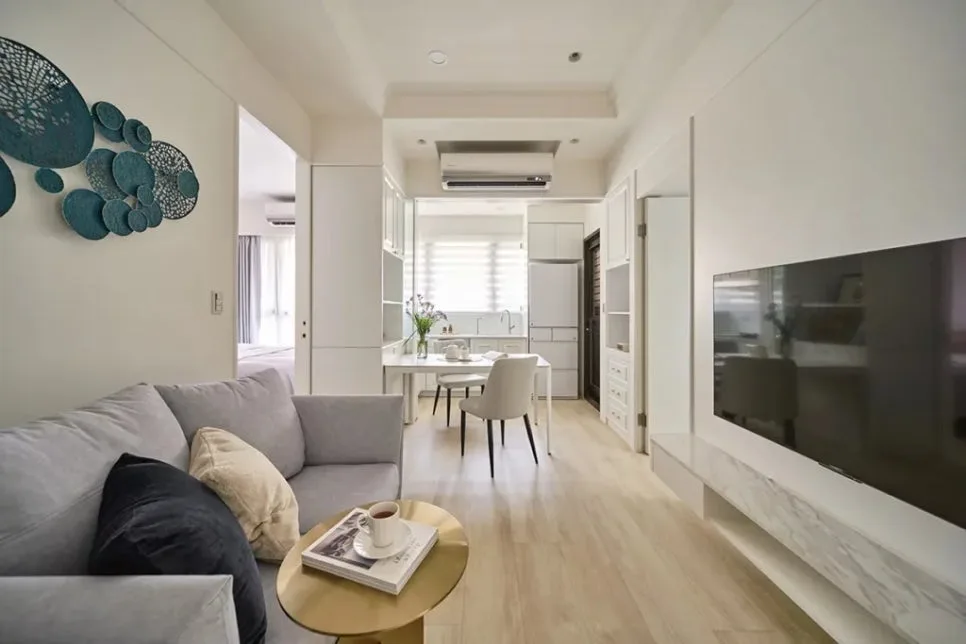
Transforming a spare room into a dining area is a brilliant way to maximize living space in a 13-pyeong (approx. 430 sq ft) Korean apartment. This strategy is especially effective for small homes where a dedicated dining space is often a luxury, offering improved functionality, increased storage, and a better flow between your kitchen and living areas.
How to Convert a Room into a Dining Area in a 13-Pyeong Apartment
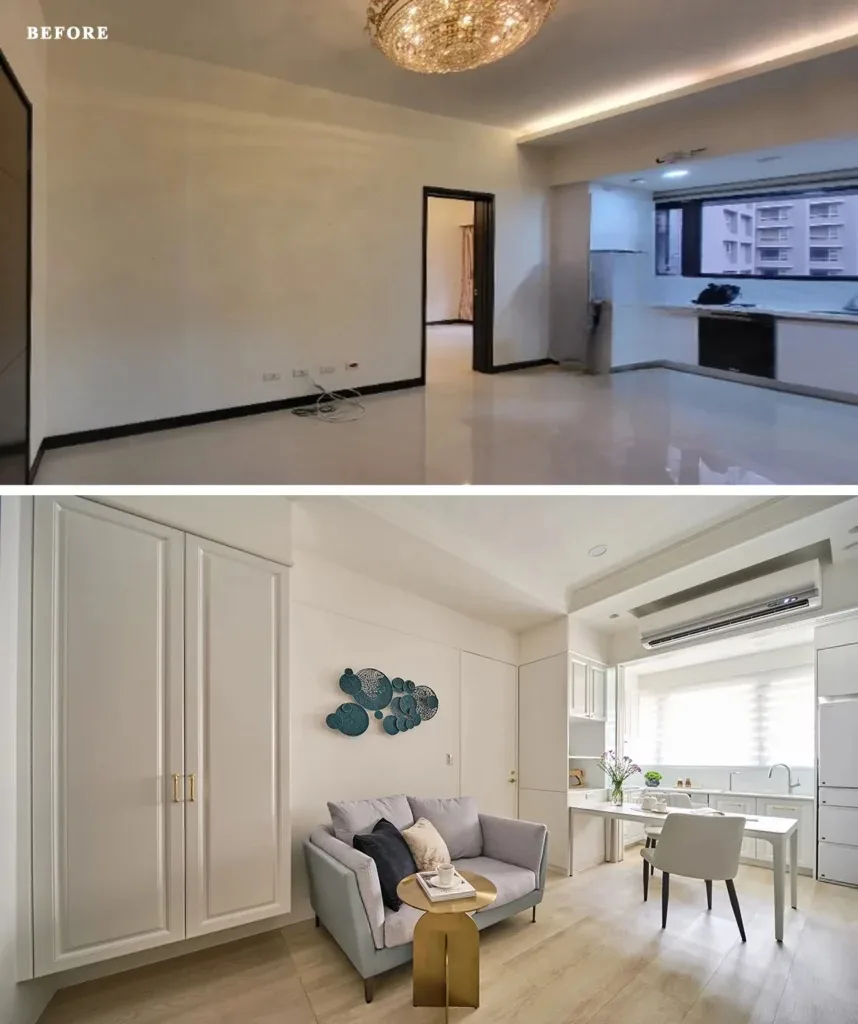
Many successful small apartment makeovers repurpose secondary bedrooms or home offices into functional dining rooms. For instance, if a child has moved out, their former bedroom can be reconfigured. By consolidating furniture like desks and wardrobes to one side, you free up the remaining space for a dining table and chairs. This approach not only creates a distinct dining zone but also cleverly addresses the common issue of insufficient storage in compact living. Extending the dining table to align with the kitchen counter can further enhance your usable space, making meal prep and serving more convenient. This kind of spatial repurposing is key to living comfortably in a 13-pyeong apartment.
What Criteria Should You Use to Select a Room for Your Dining Area?
When deciding which room to convert, several factors are crucial for success. Firstly, prioritize rooms with ample natural light; a well-lit space makes dining more enjoyable. Secondly, consider its proximity to the kitchen. A shorter distance for carrying food and clearing dishes significantly improves daily convenience. Lastly, assess the room's size and shape to ensure furniture, particularly the dining table and chairs, can be arranged effectively. For example, a long, narrow room might suit a linear table or an island-style setup. Choosing the right space based on these criteria can elevate not only the dining experience but also the overall ambiance of your home.
What Are the Key Considerations When Creating a Dining Room from a Spare Room?
When converting a room into a dining area, ventilation is paramount. To prevent cooking odors and smoke from spreading, consider installing sliding doors between the kitchen and the new dining space or upgrading your ventilation system. Since the room's purpose is changing, re-evaluate existing furniture placement and plan for additional lighting and storage tailored to dining needs. A pendant light above the dining table, for instance, can create a cozy atmosphere. It's also wise to maintain some flexibility; perhaps incorporate furniture that allows the room to serve dual purposes if needed, blending the new dining function with the room's original use.
What Common Mistakes Should Be Avoided When Creating a Dining Room?
A frequent pitfall is failing to clearly define the room's purpose, leading to a cluttered feel by trying to combine dining with the room's original function, like a bedroom or office. Insufficient storage is another common issue, resulting in dishes and utensils being left out, making the space look messy. It’s essential to plan for adequate cabinetry or shelving to keep dining essentials organized. Lastly, neglecting lighting can be a mistake. Dining areas benefit from warm, inviting light, so consider adding accent lighting like pendant lamps in addition to the main overhead light to enhance the room's ambiance.
For more detailed interior tips, check the original source below.