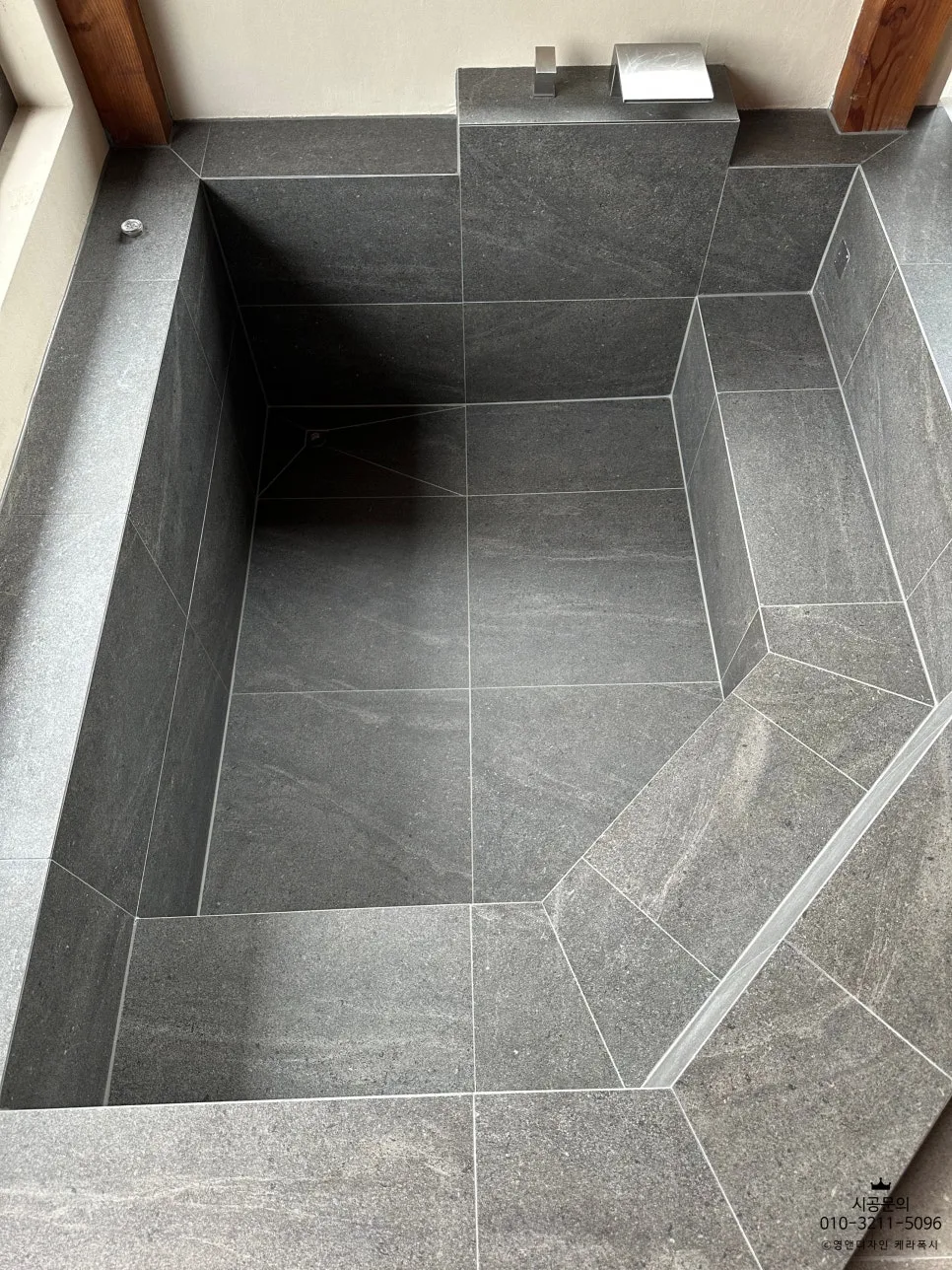
Are you struggling with unsightly water stains (known as 'baekhwa') and leaks in your jacuzzi or hot tub? This guide details how a professional Kerapoxy grout installation completely resolved these issues across seven units at a pension (Korean guesthouse) in Gyeongju, South Korea. Learn the root causes, the step-by-step repair process, and crucial considerations for a lasting solution.
What Causes Jacuzzi Water Stains (Baekhwa)?
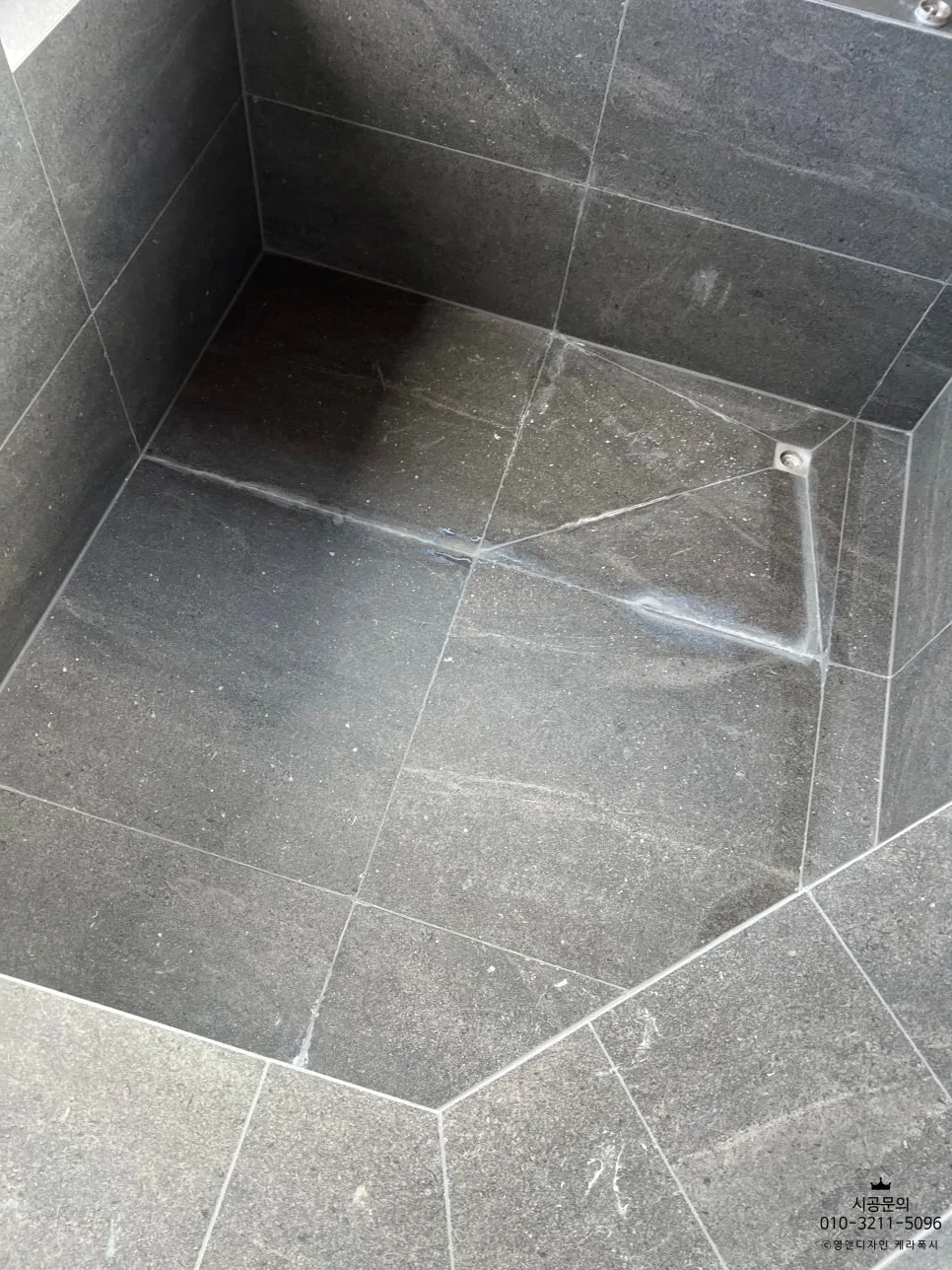
The most common culprit behind jacuzzi water stains, or 'baekhwa,' is moisture seeping through traditional cement grout lines. In high-moisture areas like hot tubs, inadequate drainage can cause water to continuously rise through the grout, leading to severe staining. In this Gyeongju pension case, all seven jacuzzis exhibited significant 'baekhwa,' with some areas never fully drying, indicating a fundamental flaw in the waterproofing or drainage system. Our assessment revealed that the existing cement grout was failing to prevent water penetration, trapping internal moisture and exacerbating the staining. This isn't just an aesthetic problem; it points to underlying structural issues that need immediate attention.
How to Remove Stains and Install Kerapoxy Grout
To tackle severe 'baekhwa,' the first critical step is to completely remove the existing stains using specialized cleaning agents. Following this, the old cement grout must be meticulously ground out to a sufficient depth using a grinder. If water actively seeps out during this process, it's essential to remain calm and ensure all moisture is fully extracted and the area is thoroughly dried. Tools like vacuums, heat guns, and blowers are crucial for this drying phase. Once completely dry, the new Kerapoxy grout is applied, filling every gap. Kerapoxy is a high-performance epoxy grout known for its superior durability and waterproofing capabilities, effectively preventing future 'baekhwa' and leaks. The seven-unit project involved two separate application phases, ensuring meticulous preparation and a flawless finish to resolve both staining and leakage issues.
Pros and Cons of Kerapoxy Grout Installation
Kerapoxy grout, a blend of epoxy resin and hardener, offers exceptional durability and waterproofing, making it ideal for high-moisture environments like bathrooms, kitchens, and jacuzzis. Its primary advantage is its ability to suppress the development of stains and mold, which are common problems in wet areas. It also comes in various colors (the Gyeongju project used color #113), allowing for aesthetic customization. However, Kerapoxy installation comes with drawbacks: it is more expensive than standard cement grout, and it requires a significant curing period of 3-4 days post-installation. During this time, water usage must be avoided, which needs to be factored into project planning.
Key Considerations for Jacuzzi Grout Installation
When hiring a contractor for jacuzzi grout work, several points are crucial. First, verify the contractor's experience and expertise, especially their understanding of waterproofing and drainage systems relevant to wet areas. Second, engage in thorough consultations to clearly communicate your desired color and finish. Third, strictly adhere to the post-installation curing period; using the jacuzzi before the grout is fully set can compromise its integrity and lead to future issues. Finally, clarify the after-sales service (AS) policy. While our service, Young & Design, offers a 2-year free warranty for installation defects, user-induced damage or pre-existing structural issues from the builder may incur charges.
For detailed inquiries about installation, please contact Young & Design.