Window tinting for homes, particularly for apartments, is an effective solution to combat heat gain and harmful UV rays through windows. In 2026, window films remain a crucial choice for improving indoor comfort and energy efficiency. Proper film selection and professional installation can significantly boost cooling efficiency and prevent furniture fading.
How to Reduce Apartment Window Heat with Window Film?
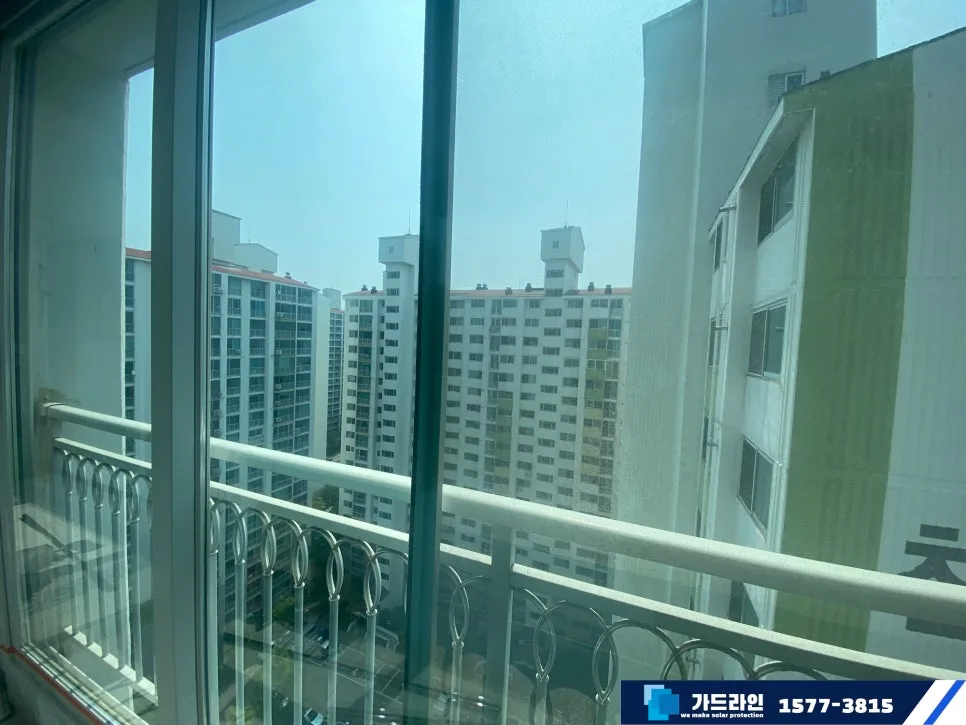
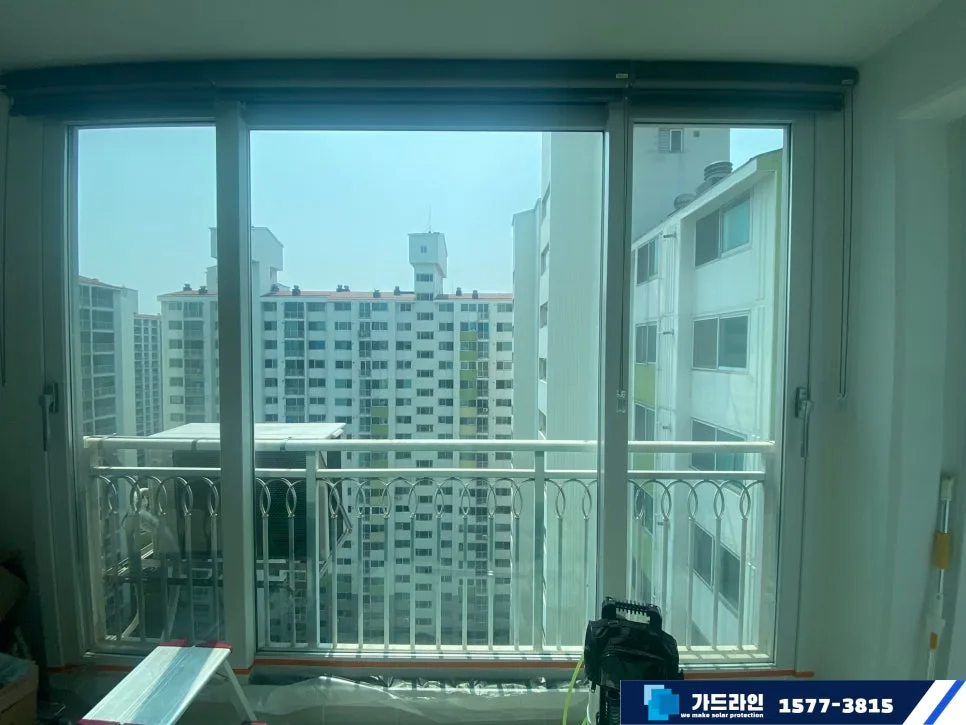
The sunlight entering through apartment windows can significantly impact indoor temperatures, especially in rooms that receive direct sun for extended periods. In many apartments, heat accumulates near the windows, making it difficult for air conditioning to cool the space effectively. This is because heat continues to radiate into the room even after the AC is running. Architectural window films offer a powerful solution to this problem by directly blocking heat at the glass surface before it enters the living space. This not only helps maintain a more comfortable indoor temperature but also improves overall energy efficiency.
Preventing Furniture Fading: The UV Protection Factor
Invisible UV rays are a primary culprit behind the gradual fading and discoloration of interior furnishings, including wood floors, furniture, and curtains. The World Health Organization (WHO) classifies UV radiation as a Group 1 carcinogen, highlighting the health risks associated with prolonged exposure. Therefore, for residential spaces like apartments where families spend considerable time, installing window films with UV-blocking capabilities is essential, not just for comfort but also for protecting your belongings. After installation, you'll notice a more refined quality of light, and the intense heat near the windows will be significantly reduced. The UV protection also greatly minimizes concerns about fading and discoloration, contributing to a more comfortable and safer indoor environment.
Choosing the Right Window Tinting Film for Your Apartment
Selecting the appropriate window tinting film is crucial. Opting for the darkest film isn't always the best approach, as overly dark tints can make the interior feel dim and even claustrophobic, especially during daylight hours. For residential spaces, maintaining a balance between light transmission and heat/UV rejection is key. Professionals often recommend films with a Visible Light Transmission (VLT) of around 15%, a UV Rejection (UVR) of 99%, an Infrared Rejection (IRR) of 90%, and a Total Solar Energy Rejection (TSER) of 70%. This combination allows adequate light while effectively blocking heat and UV rays. The ideal film can vary based on the window's orientation, the amount of sunlight it receives, and the surrounding environment, so consulting with an expert is recommended to find a solution that minimizes discomfort and enhances your living space.
Window Film vs. Curtains/Blinds: Which is Better?
When faced with discomfort from direct sunlight, curtains and blinds are common solutions. However, they can obstruct views, make rooms feel enclosed, and only block heat after it has already entered the room. Window films, on the other hand, are applied directly to the glass and block heat and UV rays at the point of entry. This makes them an excellent choice for those who want to maintain an open feel and enjoy natural light while still benefiting from heat reduction. With a lifespan of over 10 years, window films offer a long-term, cost-effective solution for improving home comfort and energy efficiency.
Important Considerations for Apartment Window Film Installation
When deciding on apartment window film installation, keep a few points in mind. Firstly, don't solely rely on performance numbers; actual effectiveness can vary based on installation environment and window type. Secondly, excessively dark films can create a gloomy atmosphere and impair nighttime visibility, so choose a lighter tint for living areas. Thirdly, when selecting an installer, prioritize experience and professionalism over just price. Choosing a local installer familiar with the specific conditions of areas like Paju can lead to more satisfactory results. Consulting with a professional to match the film and installation to your specific needs is the best approach for a successful outcome.
English crawl path
Next English reads from this pilot cluster
Continue through the category hub, latest English stories, and related posts so this translated article is not an isolated URL.
Tags
💬Frequently Asked Questions
What should I check first in Window Tinting for Homes 2026: Reduce Heat & UV Rays?
Does this Home & Interior article link back to the Korean source?
Where can I find similar English stories?
English discovery path
Explore more English K-culture stories
Keep browsing the indexed English pilot cluster so Google and readers can move between this story, the category hub, and fresh discovery pages.
Original Source
Read the Korean original