To achieve a minimalist living room in 2026, the key is to hide all TV wires and cables within the wall using a 'seonmaerip' (cable concealment) method. This technique eliminates unsightly plastic cord covers and organizes all connected devices, creating a sleek, modern aesthetic that makes your space feel larger and more sophisticated.
Why Hiding TV Wires is Essential for 2026 Living Room Trends
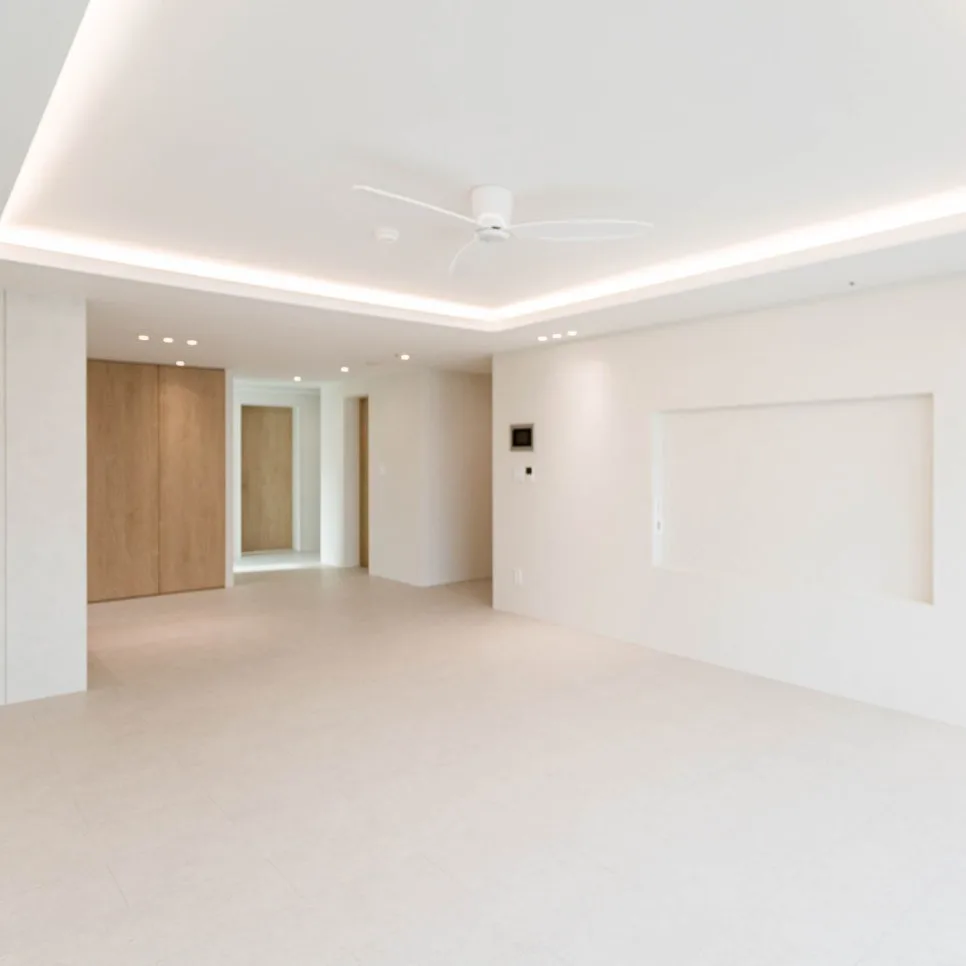
Modern interior design trends are all about maximizing space and creating a clean, uncluttered look. In new apartments, homeowners increasingly prefer to forgo bulky media consoles and opt for a minimalist wall-mounted TV setup to enhance the spaciousness of their living rooms. While wall-mounting TVs is a must for this aesthetic, the visible power cords, HDMI cables, and set-top boxes can quickly ruin the effect. This is where 'seonmaerip,' or in-wall cable management, becomes crucial for a 2026 living room design. It's the secret to achieving that seamless, high-end look that many homeowners are seeking. Many are now investing in professional seonmaerip services to elevate their home's overall ambiance.
What Exactly is 'Seonmaerip' (In-Wall Cable Management)?
Seonmaerip is a specialized technique for wall-mounting a TV that involves routing all associated cables—including power cords, internet (LAN) cables, and HDMI cables—through the wall cavity instead of leaving them exposed on the exterior. Traditionally, people used plastic raceways or cord covers to hide these wires, but these solutions often detract from the wall's clean appearance and can make a room feel smaller. Seonmaerip technology, however, allows for a completely seamless finish, making it appear as if the cables are not there at all. This is particularly important for living rooms featuring accent walls or premium finishes like marble or stone, where preserving the wall's integrity and aesthetic is paramount.
How is Seonmaerip Installed? (Drilling vs. Non-Drilling Methods)
There are two primary methods for seonmaerip installation. The first is the 'non-drilling' (무타공, mutagong) method, which utilizes the space within the existing TV outlet box to mount the TV and conceal cables without making new holes in the wall. This is ideal for preserving the pristine condition of new walls, delicate materials like tile or marble, or for renters who need to easily restore the wall to its original state. The second is the 'drilling' (타공, tagong) method, which involves precisely drilling holes into the wall to securely mount the bracket. This allows the TV to sit closer to the wall, creating an even sleeker profile. Both methods allow for in-wall cable concealment and can be adapted to your specific wall type and preferences. Professional installers will assess your situation to recommend the best approach.
Hiding Peripherals Like Set-Top Boxes with Seonmaerip
Even with cables hidden, a cluttered look can persist if devices like set-top boxes, Wi-Fi routers, soundbars, or AI speakers remain visible. Professional seonmaerip services often include solutions for these peripherals. Specialized brackets can be installed behind the TV, within the wall cavity, to neatly house these devices. The key is not just to hide them, but to position them optimally for functionality. For instance, a Wi-Fi router needs to be placed where its signal isn't obstructed by the wall, and a set-top box must be accessible for remote control signals. Skilled installers ensure these devices are both concealed and operate efficiently, completing the clean and sophisticated look of your living room.
Important Considerations Before Booking Seonmaerip Installation
Before committing to a seonmaerip installation, consider these crucial points. First, verify the installer's expertise and experience, especially with delicate wall materials like accent walls or stone. Improper techniques can lead to costly damage. Second, inquire about the quality and safety of the materials used. Opt for installers who use certified, high-quality components rather than cheap, unverified alternatives. Third, confirm their after-sales service policy and insurance coverage. A reputable company will offer a warranty on their work and carry liability insurance for unforeseen incidents. For renters, the non-drilling method is often preferred to maintain a good relationship with the landlord and ensure easy reversibility.
For more in-depth information on seonmaerip installation, please refer to the original source.