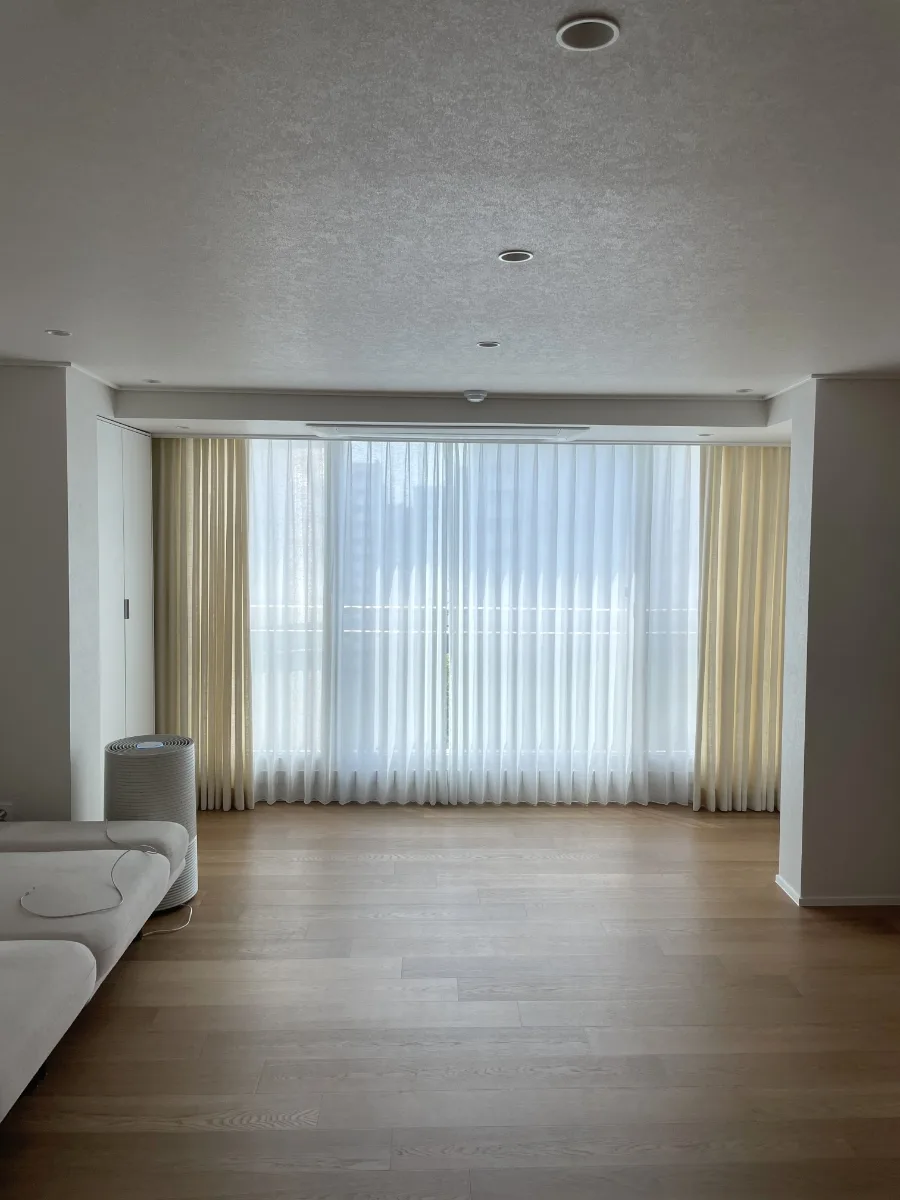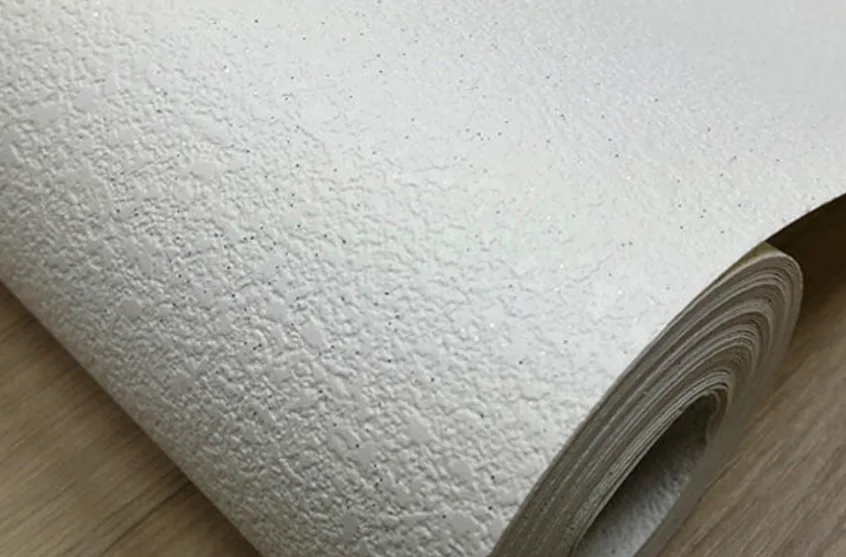
Simply covering ceiling holes with wallpaper is a temporary fix that often leads to issues like sagging, peeling, or cracking over time. The best repair method depends on the size and condition of the hole. For 2026, understanding the right approach ensures a lasting, seamless finish. We'll guide you through the optimal techniques, comparing non-woven fabric (초배지) and drywall (석고보드) for durable ceiling repairs.
What's the Best Way to Repair Ceiling Holes by Size?
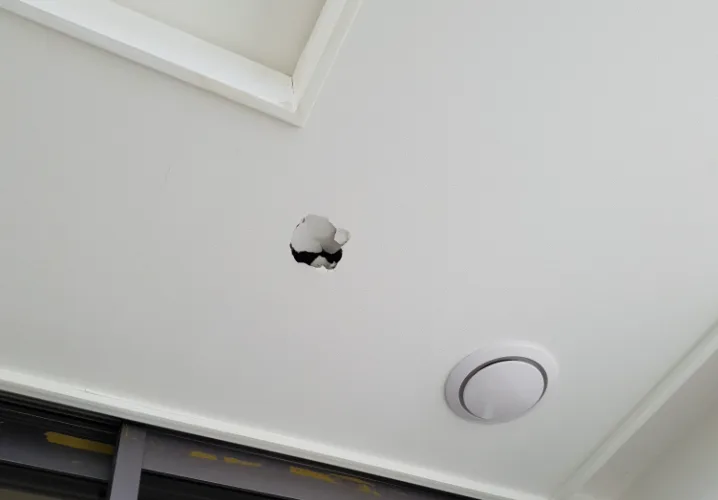
The repair strategy for a ceiling hole varies significantly with its size. While small holes are relatively straightforward, larger ones demand structural reinforcement. Based on extensive experience, selecting the appropriate repair method for the hole's dimensions is key to preventing future damage. Ceilings, due to gravity, are often more prone to repair issues than walls, making proper technique even more critical.
1. Small Holes (Approx. 1-1.5 inches / 2-3 cm): Fill the hole with joint compound or a dedicated repair putty, then sand it smooth. Apply a layer of non-woven fabric (often called 'chobaeji' in Korean DIY contexts, similar to a primer or backing fabric) over the patched area. Using only putty can lead to cracking as it dries and shrinks. The non-woven fabric provides a stable base for the final wallpaper layer, ensuring a smooth finish even for minor imperfections.
2. Medium Holes (Approx. 2-4 inches / 5-10 cm): Reinforce the area behind the hole by attaching a piece of plywood or a wooden strip. Cut a piece of drywall to fit the hole and secure it to the reinforcement. Use mesh tape and joint compound to cover the seams and create a seamless transition. Sand smooth, then apply the non-woven fabric. This structural support from the drywall prevents the common issue of the repaired area sagging over time.
3. Large Holes (Over 4 inches / 10 cm or structurally weak areas): Cut out the damaged section cleanly into a square or rectangle. Fit a new piece of drywall into the opening and secure it. Apply joint compound and sand meticulously to ensure the new section is perfectly flush with the existing ceiling. Finally, apply the non-woven fabric and the top layer of wallpaper. This method provides the most durable and seamless repair for significant damage.
Non-Woven Fabric vs. Drywall for Ceiling Repairs: What's the Difference?
Related Articles
Non-woven fabric and drywall serve distinct roles in ceiling hole repair. Non-woven fabric is primarily used to cover minor cracks or uneven surfaces, providing a smoother base for wallpaper. However, it lacks the structural integrity to support larger holes on its own. Drywall, on the other hand, acts as a crucial structural reinforcement, creating a solid surface for medium to large holes. For the most effective and long-lasting repairs, especially for holes larger than 2 inches, combining drywall for structural support with non-woven fabric for a smooth finish is the recommended approach.
Role of Non-Woven Fabric: Covers minor cracks, smooths surface imperfections, and acts as a base for wallpaper. Limited structural support.
Role of Drywall: Provides essential structural support for medium to large holes, creating a flat and stable surface, preventing sagging.
What Kind of Damage Can Occur from Using Only Non-Woven Fabric?
Relying solely on non-woven fabric to cover ceiling holes and then wallpapering can lead to several common issues, particularly because of gravity's effect on ceilings. In my experience, this approach rarely provides a lasting solution. Here are the potential problems:
Sagging: Without underlying support, the repaired area can sink inward over time, creating a noticeable dip. This is exacerbated by the downward pull on ceilings.
Cracking: If only putty is used to fill the hole before applying fabric, it can crack as it dries and shrinks. This can reappear through the wallpaper, especially along the edges of the repair.
Peeling or Bubbling: An uneven surface or weak adhesion due to lack of structural support can cause the wallpaper to bubble or peel away from the ceiling.
Surface Irregularities: It's difficult to perfectly match the height and flatness of the original ceiling with just putty and fabric, leading to visible bumps or unevenness, especially under direct lighting.
Lack of Durability: The repaired spot is more susceptible to damage, such as dents or punctures, because there's no solid backing.
What is the Correct Sequence for Repairing Ceiling Holes?
To ensure a durable and aesthetically pleasing ceiling repair, following a specific sequence is crucial. While minor hairline cracks might be manageable with just non-woven fabric, any hole larger than about 2 inches (5 cm) requires structural reinforcement with drywall. Based on best practices and experience, this order minimizes the risk of future damage and provides a professional finish. Always assess the exact condition of the hole, and consult a professional if unsure.
Step 1: Assess Hole Size and Condition
Step 2: Drywall Reinforcement (Essential for holes > 2 inches / 5 cm)
Step 3: Joint Compound Application and Sanding
Step 4: Apply Non-Woven Fabric (Chobaeji)
Step 5: Apply Final Wallpaper Layer
Following these steps will result in a much more robust and seamless ceiling repair.