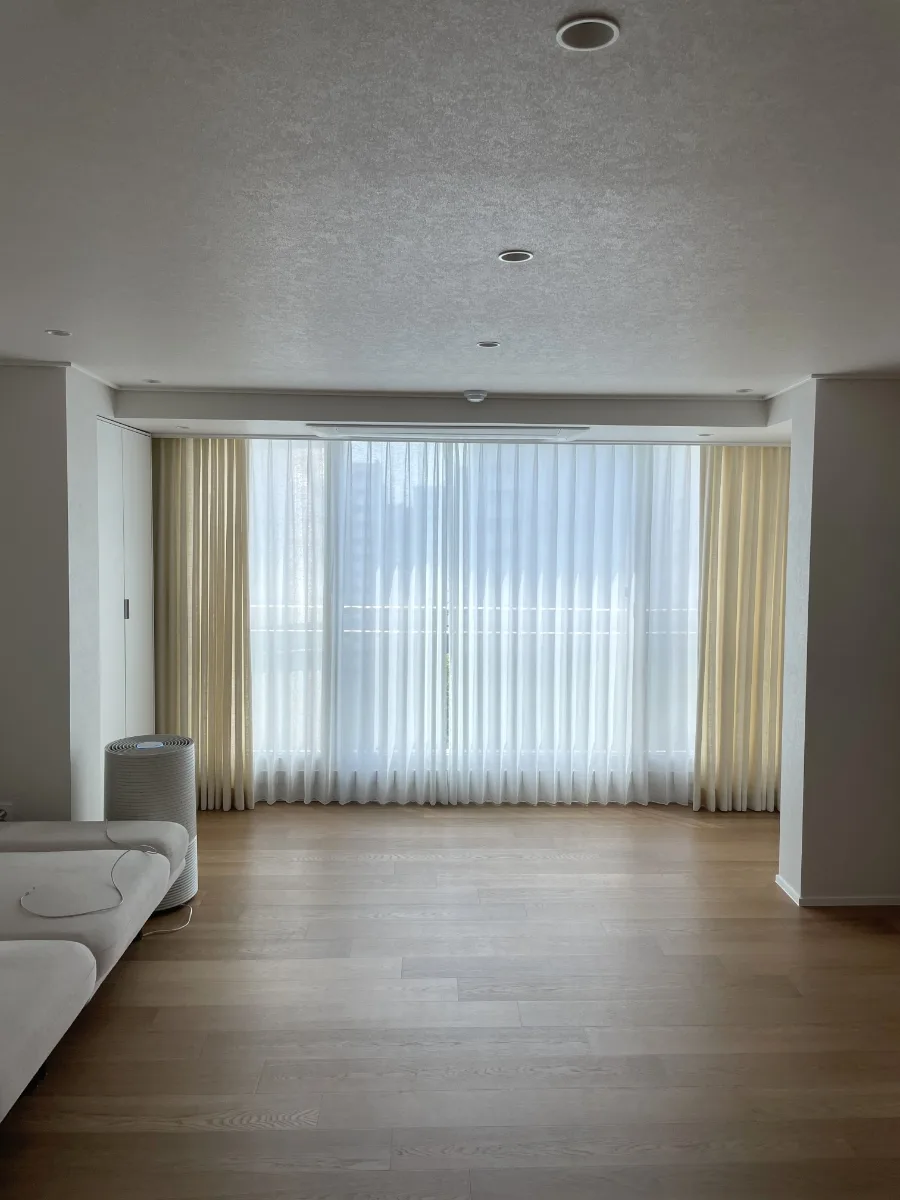
Planning a home renovation in 2026? Avoid common regrets by focusing on key elements like window frames (shot-si), appliance placement, and tile choices. Experts recommend prioritizing practicality over fleeting trends to ensure lasting satisfaction with your Korean-inspired interior design.
Why Upgrading Window Frames is Priority #1 in Korean Renovations
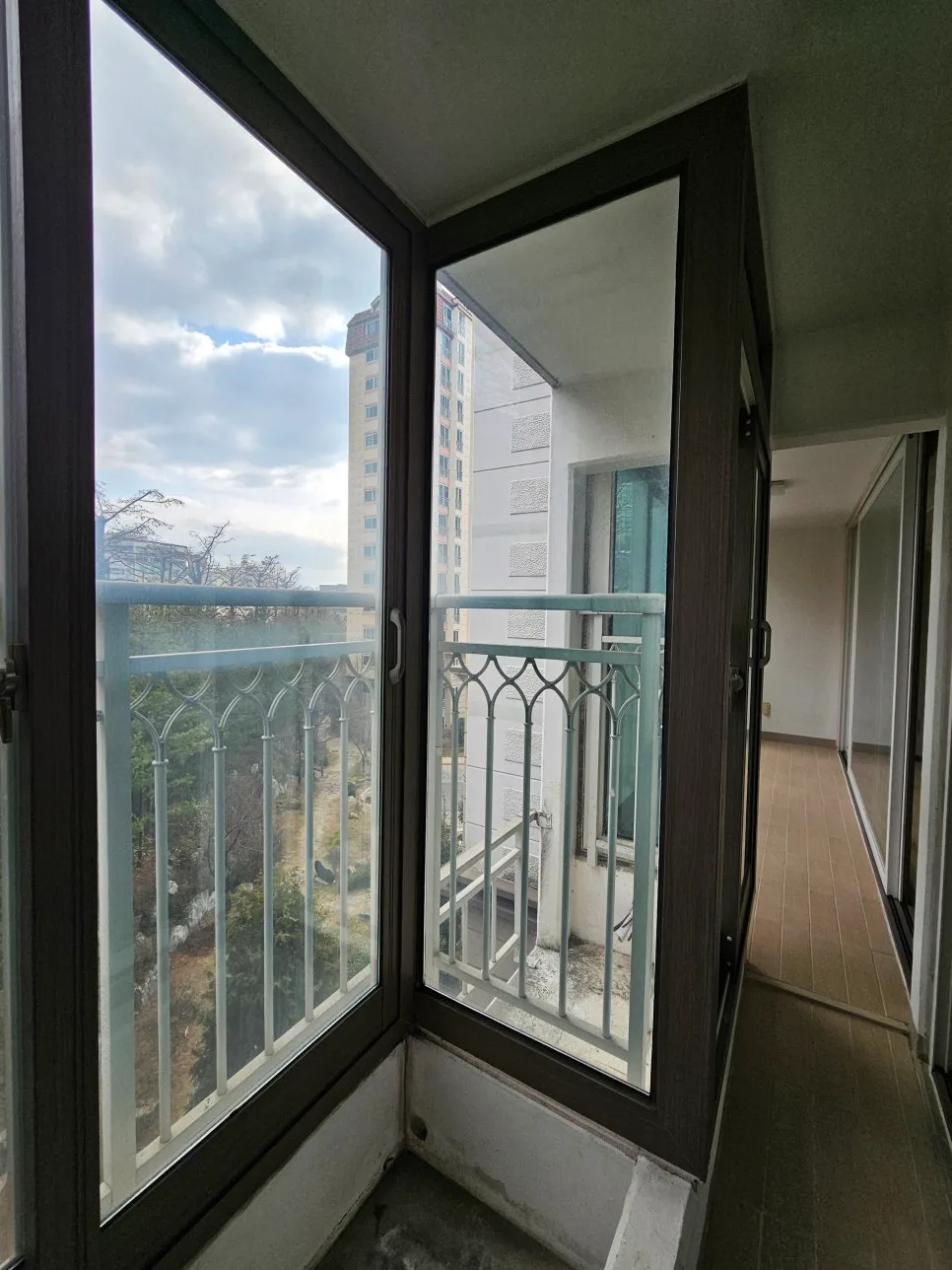
One of the most frequent renovation regrets among homeowners is not replacing their window frames, known as 'shot-si' in Korean. In Korea, replacing these frames is incredibly difficult once you're living in the home. It's not just about swapping out the glass; it involves extensive work on walls, floors, and ceilings. If you decide to replace the frames later, you'll likely have to redo wallpaper, carpentry, insulation, and ceiling finishes. Therefore, tackling window frame replacement during your main interior renovation is a smart move that saves both time and money in the long run. Older Korean apartments, in particular, often have less energy-efficient window frames, making an upgrade crucial for better insulation and lower energy bills.
Designing Around Appliances: Avoiding Layout Nightmares
A common pitfall in interior design is failing to plan for appliance placement. Large appliances like refrigerators and dishwashers can cause unexpected space issues or awkward traffic flow if not accounted for early on. It's essential to identify the exact dimensions of appliances you plan to purchase and share this information during the design phase to ensure proper built-in solutions. For instance, insufficient depth in a refrigerator cabinet can prevent you from installing newer, larger models or create an inconvenient protrusion. For built-in appliances, pre-planning power and water supply locations is also critical. Sharing your appliance list with your designer and discussing these details thoroughly is a non-negotiable step for a functional kitchen.
The Downsides of Mosaic Tiles: Cleaning and Maintenance Challenges
Mosaic tiles, while visually appealing, present significant cleaning and maintenance challenges, especially in kitchens where sauces and spills are common. The numerous small grout lines between mosaic tiles are prone to staining if spills aren't wiped up immediately. Once stained, these grout lines can be an eyesore and are notoriously difficult to clean thoroughly. If you prioritize a pristine kitchen and find deep cleaning tedious, you might want to reconsider mosaic tiles. While many are drawn to their unique aesthetic, similar to Scandinavian or Nordic styles, opting for larger format tiles can offer a more practical and easier-to-maintain solution for busy households.
Why Beige or Gray Bathroom Tiles Outperform White
Opting for bright white bathroom tiles can make your space appear larger, but it also highlights every speck of dust and stray hair, making the bathroom look messy even when clean. White grout lines are particularly susceptible to showing water stains and mold, demanding constant upkeep. For a more forgiving and sophisticated look, consider tiles in calming beige or gray tones. These colors are much better at hiding minor imperfections and create a more serene and luxurious atmosphere. Carefully selecting both the tile color and the grout color can significantly enhance the practicality and aesthetic appeal of your bathroom design.
Common Renovation Mistakes: Prioritizing Style Over Substance
The most frequent mistake homeowners make during renovations is blindly following trends or relying solely on contractor recommendations without thorough personal research. This often leads to overlooking practical considerations in favor of aesthetics. For example, choosing a trendy finish that's difficult to maintain or a layout that hinders daily routines can lead to long-term dissatisfaction. It's crucial to balance the desired 'Korean aesthetic room' or 'K-interior' look with the actual functionality required for your lifestyle. Always ask yourself if a design choice enhances usability or if it's just for show. A well-designed space should be both beautiful and highly functional, reflecting a true understanding of Korean minimalism and home decor principles.
For more details, check the original source below.