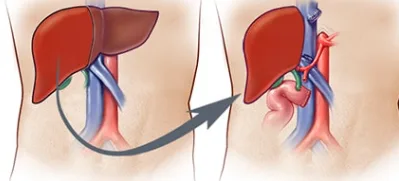
Deciding to become a living liver donor is a profound act of life-sharing, offering a second chance to those battling end-stage liver disease. In 2026, understanding the necessity of liver transplants, the underlying causes of liver failure, and the comprehensive process from donor screening to post-operative care is crucial for American fans interested in Korean health and wellness. This guide provides detailed insights into this life-saving procedure.
Why Is a Liver Transplant Urgently Needed?
The liver is often called the 'silent organ' because it can sustain significant damage with few early symptoms. By the time it's detected, its function may already be severely compromised. The primary reason for a liver transplant is when a patient's liver has suffered irreversible damage and can no longer perform its essential functions. This can stem from various causes, including chronic Hepatitis B or C, alcoholic liver disease due to excessive alcohol consumption, non-alcoholic steatohepatitis (NASH) exacerbated by Westernized diets and obesity, or acute liver failure and liver cancer. For instance, chronic Hepatitis B leading to cirrhosis is a leading cause for liver transplants in Korea, while NASH is increasingly prevalent globally. In cases of liver cancer, removing the diseased liver and replacing it with a healthy one may be the only curative option.
What Are the Symptoms of End-Stage Liver Failure Requiring a Transplant?
When liver function reaches its limit, leading to liver failure, patients experience severe, life-threatening symptoms. These often include jaundice, causing the skin and whites of the eyes to turn yellow, and ascites, a buildup of fluid in the abdomen that causes significant swelling. Hepatic encephalopathy can lead to confusion, disorientation, or even loss of consciousness. Patients may also suffer from impaired blood clotting, leading to frequent nosebleeds, gum bleeding, and easy bruising. Extreme fatigue, loss of appetite, and unintended weight loss are also common. These symptoms signal a critical condition where a timely liver transplant is the only hope for survival. In cases of acute liver failure, a transplant may be needed within days to save the patient's life.
How Does the Liver Donor Screening Process Work?
The safety and well-being of the donor are paramount in this life-saving act. Potential living liver donors undergo a rigorous and multi-faceted evaluation to determine their suitability. This typically begins with a comprehensive physical examination, including blood tests, urine tests, an electrocardiogram (ECG), and a chest X-ray to assess overall health. Specific tests will check liver function levels, blood clotting ability, and screen for any infections. Advanced imaging like a CT scan or MRI provides detailed information about the liver's size, shape, and vascular structure, crucial for measuring the amount of liver that can be safely donated. Cardiac and pulmonary function tests evaluate surgical and anesthetic risks. A consultation with a mental health professional assesses the donor's psychological readiness and decision-making process. This thorough screening ensures the donor's health and safety are prioritized before proceeding with surgery.
What Does Liver Donor Surgery and Recovery Entail?
Liver donor surgery, depending on the donor's condition and the recipient's needs, can take approximately 6 to 12 hours. After the procedure, donors typically require 1 to 2 weeks of hospitalization for intensive recovery care. Pain management is provided through medication, and antibiotics are administered to prevent infection. Patients gradually resume eating and begin rehabilitation exercises, such as walking, to aid recovery. Post-discharge, regular outpatient visits for about 3 to 6 months monitor the liver's recovery progress. The donor's remaining liver regenerates, typically reaching about 70-80% of its original size and function within three months. It's crucial for donors to avoid strenuous activities, excessive alcohol consumption, and smoking, and to maintain a balanced diet. Recovery timelines vary, so gradually increasing activity levels under medical guidance is essential.
What Are the Potential Risks of Liver Donation?
While liver donation is a noble act, like any major surgery, it carries inherent risks. Common complications for donors include post-operative pain, bleeding, and infection at the surgical site. Less common risks involve bile leaks, blood clots, or pneumonia. In very rare instances, severe complications such as liver failure or even death can occur. The liver's regenerative capacity can also vary among individuals; some donors may experience slower recovery or less regeneration than anticipated. Due to these potential risks, potential donors undergo extensive screening and counseling to ensure they fully understand the implications before making a decision. In some cases, a donor may be deemed medically unsuitable, a necessary precaution to protect their health.
For more details, check the original source below.