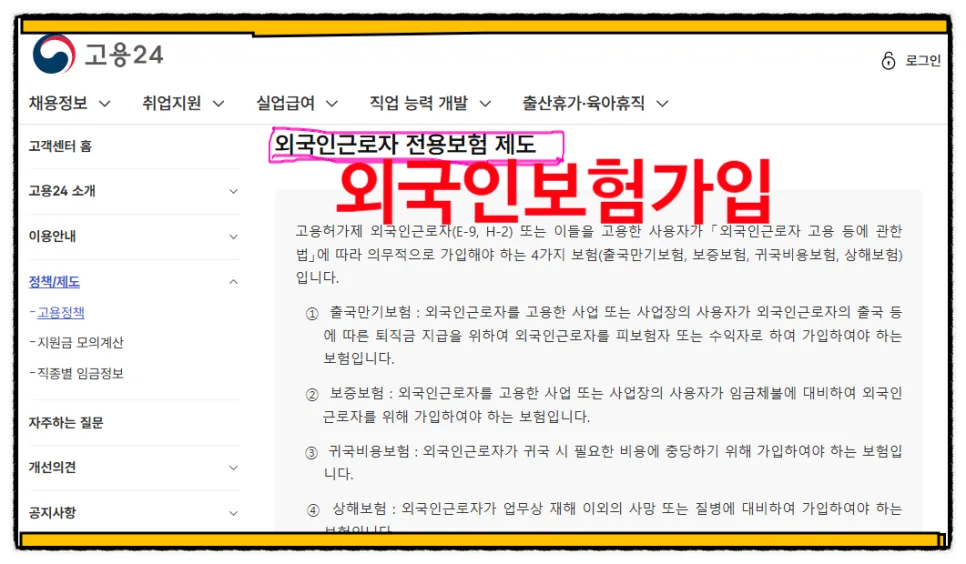

Foreigners staying in Korea for over six months may be subject to mandatory National Health Insurance (NHI) enrollment. Eligibility, premiums, and coverage vary significantly based on visa type and length of stay. For long-term residents, securing private insurance including medical reimbursement, critical illness, and surgical coverage is crucial for managing potential healthcare costs.
What Are the Mandatory NHI Enrollment Requirements for Foreigners in Korea?

Since a policy enhancement in 2019, many foreigners residing in Korea for more than six months are required to enroll in the National Health Insurance (NHI) system. This requirement is determined by your purpose of stay and visa type. For instance, individuals on work visas (like E-7 or E-9) typically become workplace-insured members immediately upon employment. Students on D-2 visas may have certain special conditions. Short-term visa holders (e.g., C-3) are generally exempt from mandatory enrollment. Therefore, understanding your specific visa status and residency purpose is key.
Foreigners in Korea are categorized as either workplace-insured or self-insured members, with differences in premium calculation and payment. Workplace-insured members have their premiums split between their employer and themselves, based on their salary. Self-insured members, however, are responsible for the entire premium, calculated based on their income and assets, and may be subject to a minimum premium. If you have recognized family ties and meet income/asset requirements, you might be eligible as a dependent under a workplace-insured member, though recent regulations have tightened these conditions, requiring prior verification.
How Do Private Insurance Options Differ Based on Visa Type?
Your visa type is a critical factor when applying for private health insurance in Korea. Holders of long-term residency visas (F-series, such as F-1, F-2, F-4, F-5, F-6) are generally viewed most favorably by insurers. They typically have better access to medical reimbursement plans and critical illness coverage, often with more stable premiums. Permanent residents (F-5) or marriage visa holders (F-6) may be assessed similarly to Korean nationals. For those on professional or work visas (E-series, such as E-1 to E-7), stable employment is a key consideration, and proof of employment and income can increase approval rates, making it easier to secure medical reimbursement plans. However, individuals on temporary or short-term visas (like D-10 job-seeking or certain E-6 arts/entertainment visas) face the most stringent application processes due to their unstable residency status and shorter intended stays. Some insurers may restrict coverage options, focusing mainly on accident or short-term medical insurance.
What Coverage Should Foreigners Prioritize When Getting Insurance?
Beyond just basic medical reimbursement, it's important for foreigners to consider comprehensive coverage. The foundational element is medical reimbursement insurance (실비보험), which covers your out-of-pocket expenses after the national health insurance co-pay for hospitalization, doctor visits, tests, and prescriptions. This is essential for managing unexpected medical bills. Additionally, securing critical illness coverage for major conditions like cancer, cerebrovascular diseases, and heart conditions (often referred to as the '3 major diagnostic diseases' in Korea) can significantly alleviate financial burdens if a serious illness occurs. This is particularly important as it provides a lump sum payment, helping to cover living expenses during recovery when you might be unable to work. Surgical insurance, which pays a fixed amount per procedure, complements medical reimbursement by offering a different type of financial support, creating a more balanced coverage plan.
Why Is Comparing Insurance Providers Crucial for Foreigners?
It is absolutely essential to compare different insurance providers when seeking coverage in Korea, as their underwriting criteria and acceptance policies for foreigners vary widely. Even with the same visa type, one insurer might approve your application while another denies it, imposes coverage limitations (like exclusions for pre-existing conditions), or charges higher premiums. Therefore, meticulously comparing factors such as eligibility based on visa status, specific residency duration requirements, premium costs, and the scope of coverage offered by various companies is vital. Consulting with an insurance expert who can guide you through these comparisons will help you find the most suitable and cost-effective plan for your individual circumstances.
For more details, check the original source below.