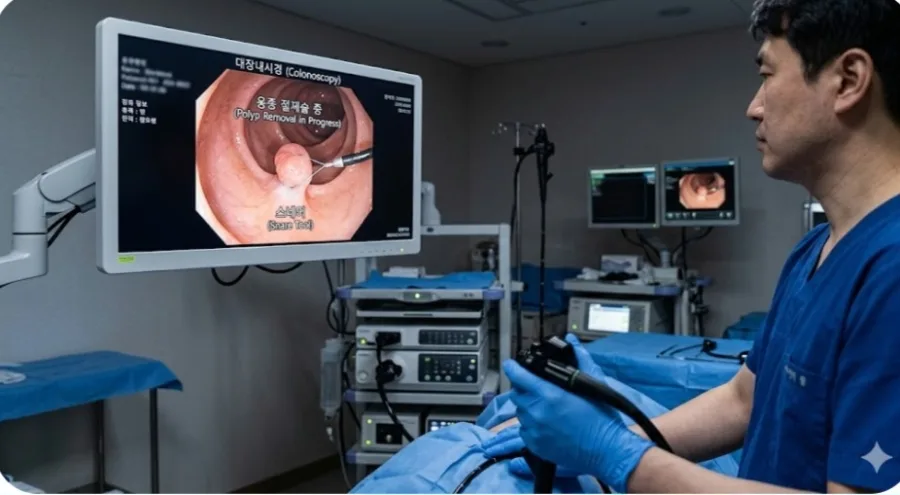

Before a Korean health check-up, it's crucial to review your insurance. Discovering polyps during a check-up can lead to higher premiums or coverage limitations, making it essential to understand how surgical and actual loss (실손) insurance policies work. Additionally, a 3-month waiting period for new insurance applications may apply after a check-up, so proactive review while healthy is key.
Why is Insurance Review Crucial Before a Korean Health Check-Up?

As a nurse with 15 years of experience, I've seen firsthand how a health check-up can be a double-edged sword. While it's an excellent opportunity for early disease detection, it can also be the 'golden hour' for your insurance coverage. Depending on the findings, your ability to get new insurance or the terms of your existing policies can change dramatically. Many people rush to sort out insurance only after receiving concerning results, but this often means missing the optimal window. The smartest approach is to review and adjust your insurance while you're still healthy. This proactive step can significantly reduce financial stress if unexpected health issues arise, going beyond just saving on premiums.
Can Polyp Removal Classify You as 'Pre-existing Condition'?
In the Korean insurance market, the removal of polyps during a health check-up is considered a 'surgical procedure.' This means it becomes a significant factor when applying for new insurance. If you have a policy already, you might be able to claim benefits under your surgical or actual loss riders. However, if you're applying for new insurance after a polyp removal, you may face limitations. Insurers might impose a 'deductible period' (부담보), meaning they won't cover costs related to that specific condition for a set time, or they might classify you under a 'pre-existing condition' (유병자) policy with higher premiums. Therefore, understanding your insurance coverage *before* undergoing such procedures is vital to avoid unexpected financial burdens.
How to Utilize Actual Loss and Surgical Riders?
If your health check-up reveals polyps that require removal, your existing insurance policies, particularly those with 'actual loss' (실손) or 'surgical procedure' (질병수술비, 종수술비) riders, can be invaluable. These riders are designed to cover medical expenses incurred from treatments and procedures. While a simple check-up might not be claimable, if a doctor recommends further investigation or a procedure like polyp removal based on initial findings, you can often file a claim. It's crucial to understand the specifics of your policy *before* the check-up to know exactly what's covered. This knowledge empowers you to make informed decisions about your healthcare and utilize your insurance benefits effectively, ensuring you can access necessary treatments without excessive out-of-pocket costs.
What Are the Implications of Check-Up Results on Insurance Applications?
Receiving a health check-up result that includes a recommendation for 'follow-up observation' or 're-examination in 3 months' triggers a crucial disclosure requirement for insurance applications. When applying for new insurance, you are obligated to disclose if you've had 'additional examination (re-examination) required' findings from a doctor within the last three months. If such a note exists in your check-up report, it can significantly restrict your ability to secure new insurance policies or even modify existing ones. This is why the period *before* you receive your results, when your health status is considered clear, is the optimal 'golden time' to review and secure your insurance needs. Missing this window can make the application process much more complicated.
Expert Tips for Insurance Review Based on Clinical Experience
From my years working in health check-up centers, I've observed common oversights. For instance, after a polyp removal, a 'procedure confirmation certificate' is often issued, but many patients aren't aware of its necessity for insurance claims. Similarly, a detailed medical statement might be required for certain claims. Having these documents ready can streamline the process significantly. While same-day certificates are common for polyp removals, tissue analysis might take about a week, and further diagnostic statements may be needed if significant issues are found. Being prepared with this clinical and procedural knowledge ensures you can navigate the process smoothly, even if unexpected findings occur. Always confirm the specific requirements with your insurance provider, as coverage details can vary.
For more details, check the original source below.