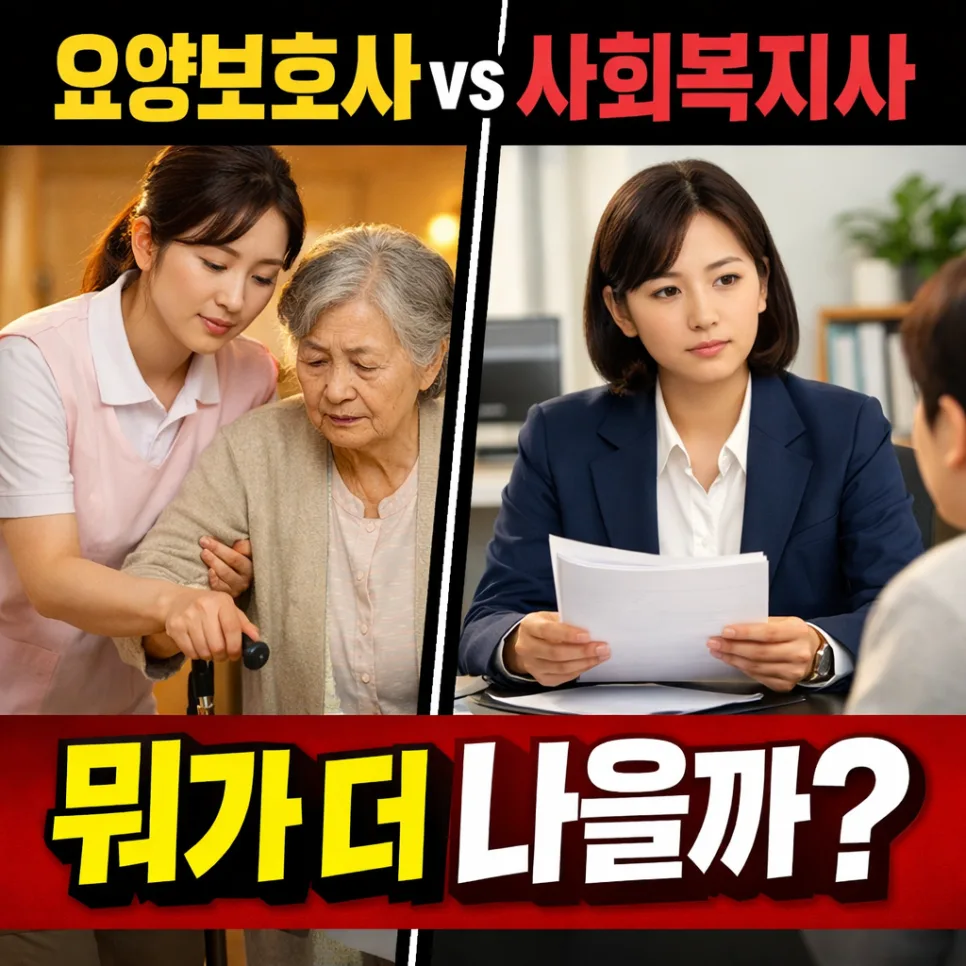
In the vital field of Korean wellness, both Caregivers (Yoyangboho-sa) and Social Workers (Sahoe Bokjisa) play crucial roles, but their day-to-day responsibilities, qualification paths, and career trajectories differ significantly. As of 2026, Caregivers primarily focus on direct elder support, while Social Workers concentrate on counseling and service coordination. This guide breaks down the practical distinctions to help you choose the right path.
What Does a Korean Caregiver Do?

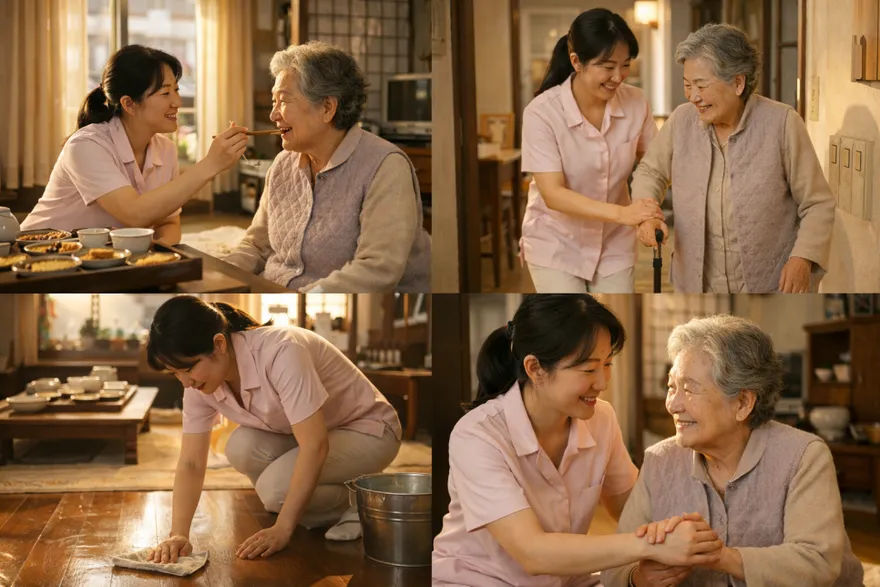
A Caregiver, or Yoyangboho-sa, is a professional who provides direct support for the daily living and physical needs of elderly individuals under Korea's Long-Term Care Insurance system. Essentially, they are the frontline support, offering hands-on assistance. Key duties include helping with meals, hygiene (bathing, grooming), mobility (transfers, repositioning), medication reminders, accompanying clients to medical appointments, providing emotional support, and assisting with household chores like cleaning. Many caregivers find deep fulfillment in building strong bonds with the seniors they care for.
Caregiver certification is a national technical qualification. It requires completing approximately 320 hours of training at designated institutions, covering theory, practical skills, and internships, followed by passing a written and practical exam administered by the Korea Health Personnel Licensing Examination Institute. Crucially, there are no prerequisites to take the exam, allowing individuals with no prior experience to obtain certification in about 2-3 months and enter the workforce quickly. Common workplaces include long-term care facilities (like nursing homes), in-home care services, day care centers, and group homes.
What Does a Social Worker Do, and How Do You Become One?
A Social Worker, or Sahoe Bokjisa, is a professional dedicated to helping individuals and families facing challenges such as poverty, disability, or social issues. Unlike caregivers who provide direct physical care, social workers focus on counseling, case management, connecting clients with welfare services, planning and operating programs, and administrative tasks. Social Worker certifications are divided into Level 1 and Level 2. Level 2 can be obtained by completing relevant credit hours at a junior college or through the credit bank system, while Level 1 requires graduation from a four-year university program in a related field and passing a national exam. Both levels mandate practical training. Holding a Level 1 license significantly broadens employment opportunities. Social workers are employed in a wide range of settings, including community welfare centers, government social welfare offices, hospitals, schools, and various non-profit organizations.
What Are the Salary and Benefits Differences?
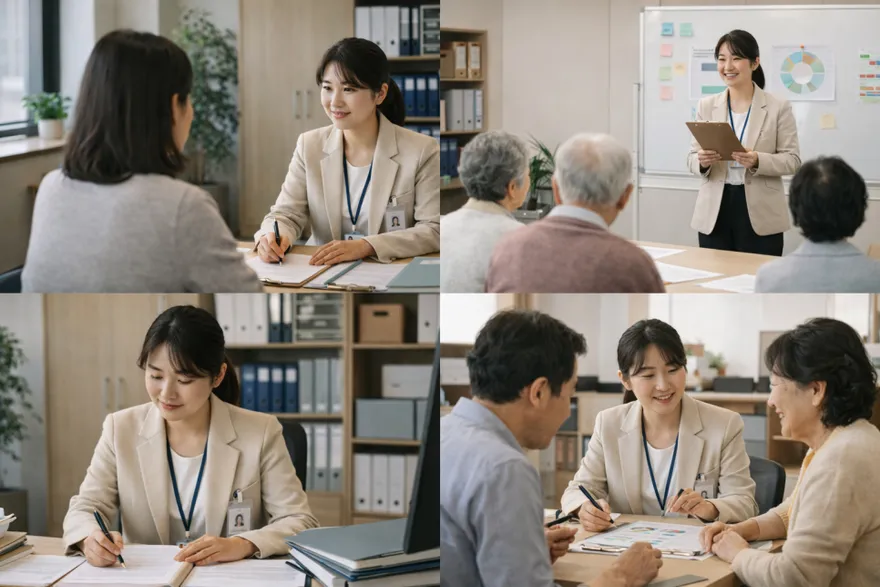
There are notable differences in salary and overall benefits. For Caregivers, the average starting salary is around ₩1.9 to ₩2.2 million per month (approximately $1,400 - $1,600 USD). With over 5 years of experience, this can increase to ₩2.3 to ₩2.7 million (approx. $1,700 - $2,000 USD). Work often involves shift rotations and night duties. Career advancement is somewhat limited, typically to roles like team leader or center manager. In contrast, Social Workers typically start with an average monthly salary of ₩2.1 to ₩2.4 million (approx. $1,550 - $1,750 USD), rising to ₩2.6 to ₩3.2 million (approx. $1,900 - $2,350 USD) with over 5 years of experience. The standard work week is usually 5 days. Social Workers have diverse career paths, including the option to pursue roles as public officials in social welfare positions or advance into management within their organizations. However, salaries can vary significantly based on the type of institution, location, and experience. This is for informational purposes only. Consult a healthcare professional.
Which Career Path is Right for You?

Deciding between these roles isn't about which is