
Many individuals overlook the physical changes they experience after gastric band surgery. If you're facing persistent eating discomfort or weight gain after initial weight loss, it might be time to consider removal rather than assuming it's just part of the adjustment. Accurately assessing your current situation is crucial for long-term health management.
What Are Normal Adjustments After Gastric Band Surgery?
Gastric band surgery involves placing a band around the upper part of your stomach to control food intake. In the initial phase, it's common to feel full quickly and notice food moving slower. This is the band working as intended to promote weight loss. However, if these discomforts intensify over time, or if you find it difficult to eat certain foods, it could signal a problem with the band's pressure or position. Persistent bloating after meals or a feeling of food getting stuck warrants investigation into potential issues with the band. It's essential to distinguish between a temporary adjustment period and a worsening condition.
What Are Specific Signs Indicating Gastric Band Removal?
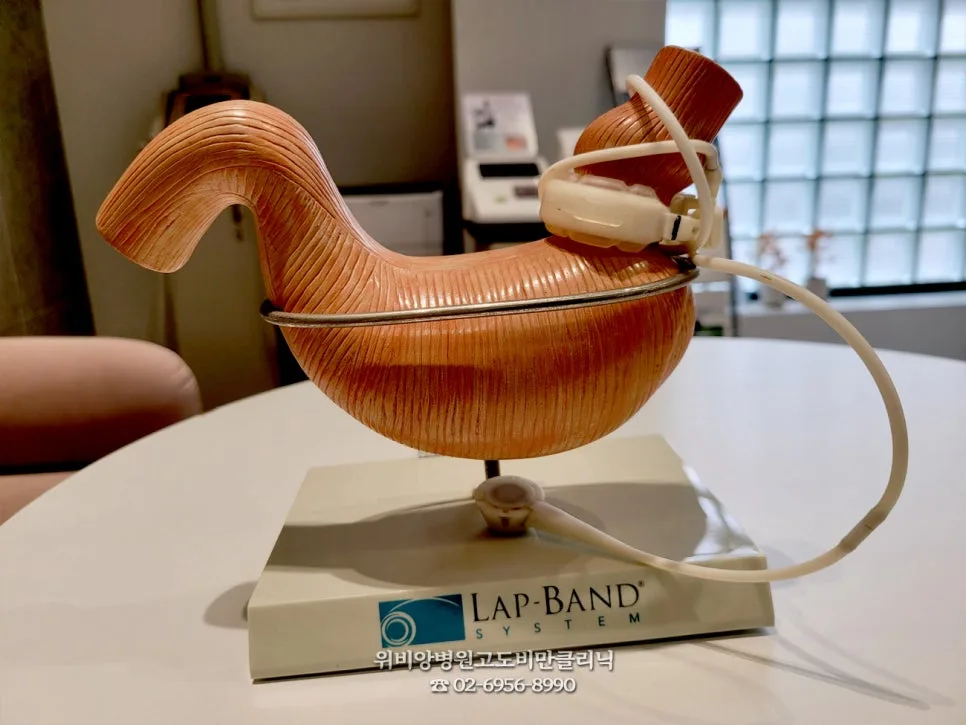
Several signs suggest it's time to consult your doctor about removing the gastric band. Persistent nausea and vomiting, especially after eating, are major red flags. Difficulty consuming even small amounts of food, leading to significant weight loss or malnutrition, also requires immediate attention. If you experience severe abdominal pain or discomfort that doesn't subside, it could indicate complications like band slippage or erosion. Furthermore, if your weight has plateaued or is increasing despite adhering to dietary guidelines, the band may no longer be effective or could be causing issues. These symptoms often point to the need for a re-evaluation of the band's function and your overall health.
What Are the Risks of Long-Term Gastric Band Maintenance?
While gastric bands can be effective, long-term use carries potential risks. One significant concern is esophageal dilation, where the esophagus stretches abnormally due to the constant pressure from the band, potentially leading to swallowing difficulties and reflux. Gastric mucosa inflammation (gastritis) can also occur, causing pain and discomfort. In some cases, the band can erode through the stomach wall, a serious complication requiring urgent medical intervention. Band slippage, where the band moves from its original position, can also cause pain and affect its effectiveness. Regular check-ups with your healthcare provider are vital to monitor for these potential complications and ensure the band remains safe and functional.
What Are the Post-Removal Treatment Options?
Deciding to remove a gastric band is the first step; planning for what comes next is equally important. After removal, some individuals may find their eating habits naturally improve, and they can manage their weight effectively with lifestyle changes alone. Others might require further intervention. This could include nutritional counseling to establish healthy eating patterns, or if significant weight regain is a concern, exploring other bariatric procedures like gastric sleeve or gastric bypass surgery. In some cases, psychological support or medication might be necessary to address underlying issues related to eating behaviors. A comprehensive evaluation by your medical team will help determine the best course of action tailored to your individual needs and long-term health goals.
For more details, check the original source below.