Struggling with chronic musculoskeletal pain? Extracorporeal Shockwave Therapy (ESWT) is a non-invasive treatment that goes beyond simple physical impact, utilizing scientific principles to promote tissue regeneration. Discover its mechanisms and applications with the latest information for 2026.
How Does Extracorporeal Shockwave Therapy Relieve Chronic Pain?
Extracorporeal Shockwave Therapy (ESWT) works by focusing high-energy sound waves onto the painful area. It's not just about the physical impact; ESWT employs complex mechanisms to stimulate tissue regeneration. Firstly, the shockwaves promote neovascularization, increasing blood and nutrient supply to damaged tissues like tendons and ligaments, enhancing their natural healing capabilities. Secondly, it can reduce pain sensitivity by stimulating nerve endings, temporarily blocking pain signals through the 'Gate Control Theory'. Thirdly, the physical energy acts as a mechanical stimulus (mechanotransduction), triggering intracellular biochemical responses that help reduce inflammation and support tissue repair. This multifaceted approach targets the root causes of chronic pain.
What Chronic Musculoskeletal Conditions Benefit from ESWT?
Related Articles
While not a universal cure, ESWT has shown significant clinical effectiveness for chronic tendinopathies and specific musculoskeletal issues. It's particularly beneficial for plantar fasciitis, causing heel pain, and lateral epicondylitis (tennis elbow) or medial epicondylitis (golfer's elbow) due to tendon overload. It's also used for calcific tendinitis in the rotator cuff and chronic Achilles tendinopathy. ESWT can be applied to various other joint and soft tissue conditions. However, accurate diagnosis through imaging like X-rays or ultrasounds by a medical professional is crucial to determine if ESWT is the right treatment for your specific condition. Treatment outcomes can vary based on individual patient factors.
What Are the Key Precautions for ESWT Patients?
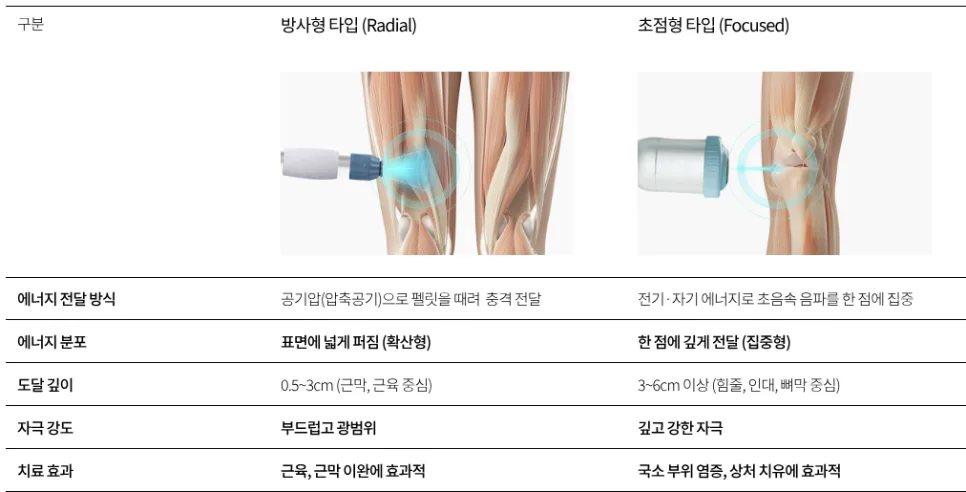
If you're considering ESWT, it's vital to understand a few key points. First, an accurate diagnosis is paramount. ESWT might not be suitable if your pain stems from nerve issues, fractures, or other conditions. Always consult a specialist to identify the root cause of your pain. Second, individual results vary, and combined therapies are often most effective. The number of sessions and energy levels are adjusted based on your condition and response, with multiple treatments usually yielding better results than a single session. Combining ESWT with manual therapy or exercise therapy can significantly enhance effectiveness. Third, be aware of potential side effects. Temporary swelling, bruising, or a temporary increase in pain at the treatment site can occur, but these typically resolve naturally. Ensure you receive a thorough explanation from your healthcare provider before consenting to treatment.
In Which Cases Is ESWT Less Effective?
Extracorporeal Shockwave Therapy is most effective for chronic conditions involving tendinopathy and certain soft tissue injuries. However, its effectiveness can be limited in cases of acute inflammation, active infections, or the presence of tumors in the treatment area. Conditions involving significant nerve compression or instability may also not respond well to ESWT. It's crucial for a healthcare professional to conduct a thorough evaluation, including diagnostic imaging, to rule out these contraindications and ensure ESWT is an appropriate and safe treatment option for your specific condition. This is for informational purposes only. Consult a healthcare professional.