
If you're looking for the reasons behind the recent international oil price crash, understanding the escalating tensions in the Middle East and the resulting energy market volatility is key. In March 2026, despite the US-Iran conflict, oil prices took an unexpected nosedive. Let's dive into the specifics of this downturn and what it means for the future.
How Does Middle East Conflict Impact Global Oil Prices?
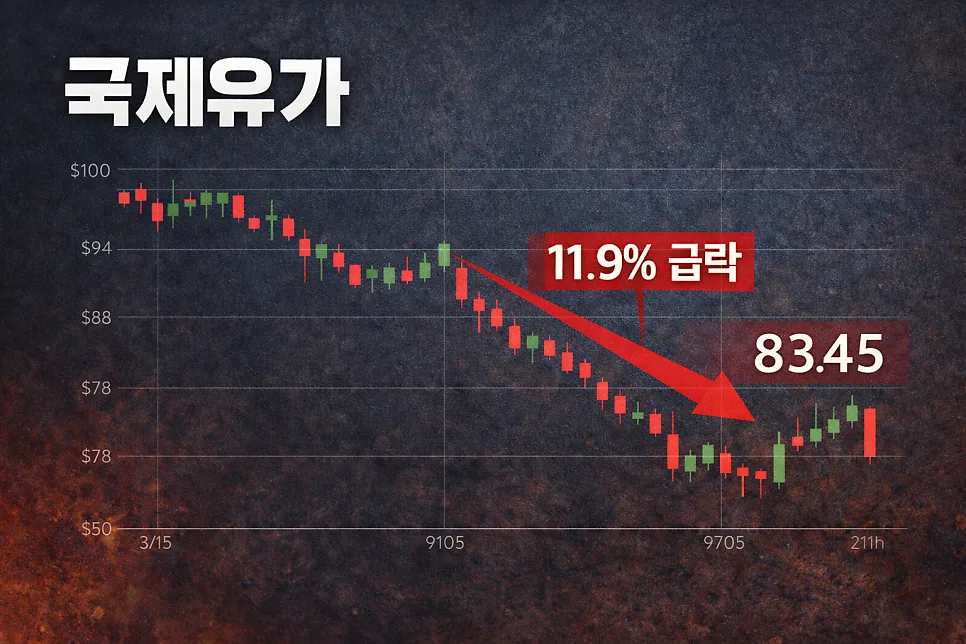
Typically, increased military tensions in the Middle East lead to a surge in global oil prices due to fears of supply disruptions. However, we've recently witnessed an unusual scenario where international oil prices plummeted even as the US-Iran conflict intensified. On March 10, 2026, West Texas Intermediate (WTI) crude oil prices dropped by approximately 11.9% from the previous day, marking the largest single-day decline since 2022. This counterintuitive movement suggests a complex interplay of market anxieties and reassurances. Such geopolitical events directly influence the energy market, sometimes triggering price swings in unexpected directions.
What Specifically Caused the Oil Price Plunge?
Related Articles
The recent sharp decline in international oil prices can be attributed to two primary factors. Firstly, statements from the US suggesting the possibility of an early end to the conflict upon achieving military objectives helped ease market anxieties. This fostered expectations that the military confrontation with Iran might not be prolonged. Secondly, news emerged that the G7 nations were discussing the release of strategic petroleum reserves, which reduced concerns about potential oil supply shortages. These positive developments converged to trigger a rapid price correction in the oil market. However, despite these factors, the risk of disruptions in the Strait of Hormuz remains a significant driver of price volatility. The Strait of Hormuz is a critical chokepoint for a substantial portion of global oil transport, and any incident there could have major repercussions on international oil prices.
Is Oil Price Volatility Still High?
Although international oil prices experienced a short-term plunge, market volatility remains elevated. Prices fluctuated significantly within the same day, with WTI crude rising to $87 per barrel before falling to $76. This indicates that market participants are still closely monitoring the unstable situation in the Middle East and the uncertainties surrounding energy supply. Specifically, heightened tensions around the Strait of Hormuz pose a substantial threat to the global energy supply chain, acting as a potential catalyst for oil price increases. Therefore, it's premature to conclude that the current price drop signals a sustained period of stability. The financial markets are also reacting sensitively to this uncertainty, with mixed signals such as a slight dip in the US S&P 500 index and gains in European stock markets.
What Is the Future Outlook for International Oil Prices?
Several key factors will shape the future direction of international oil prices. Firstly, the security of oil transport through the Strait of Hormuz is crucial. Any instability in this region could disrupt supply chains and lead to a sharp rise in prices. Secondly, the potential for the Middle East conflict to escalate and spread to neighboring countries is a significant concern. An expanded war could have a more profound impact on energy production and supply. Thirdly, the actual release of strategic petroleum reserves by various governments will play a role. The decisions made regarding these reserves, alongside the ongoing geopolitical developments and the potential for supply disruptions, will determine the trajectory of oil prices in the coming months. This is not financial advice. Consult a licensed financial advisor.