
In 2026, as the semiconductor sector continues its dominance, investors should look to cyclical sectors like construction, nuclear energy, and automotive for the next wave of growth. AI-related KOSDAQ companies also present opportunities, but careful analysis of department store stocks is crucial due to subsidiary performance.
Will the Semiconductor Stock Frenzy Continue in 2026?
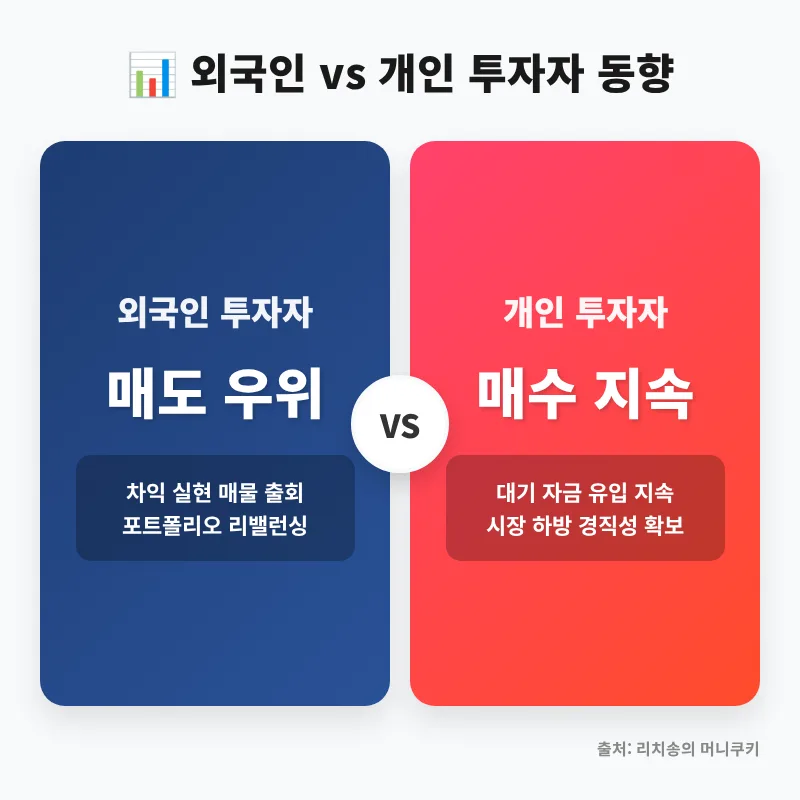
The current stock market is heavily skewed towards the semiconductor sector. Despite significant selling by foreign investors, consistent buying from individual investors has kept the KOSPI index remarkably stable. Historically, individual investors have often driven market rallies, suggesting this trend might persist. However, increased ETF investments can amplify volatility during uptrends and magnify losses during downtrends. Individual investors have historically shown resilience, driving index recovery during market corrections. Yet, an overconcentration in one sector risks missing out on opportunities in other promising areas.
Beyond Semiconductors: Emerging Cyclical Stock Candidates
Beyond the semiconductor industry, new cyclical stock candidates are emerging. The construction sector has seen a surge, fueled by reconstruction efforts in the Middle East and optimism surrounding potential US-Iran nuclear deal negotiations. Companies like Samsung Engineering and GS Engineering & Construction have seen significant gains, capturing market attention. Additionally, with the US Nuclear Regulatory Commission accelerating new nuclear reactor reviews, nuclear energy-related stocks, including Doosan Enerbility, are showing upward momentum. The automotive sector, buoyed by expectations for robotics and AI technology, is also showing signs of recovery, especially against a backdrop of falling oil prices. These sectors offer alternative investment avenues outside of semiconductors.
KOSDAQ Opportunities and Platform Company Challenges in the AI Era
The KOSDAQ market has been relatively overlooked due to a lack of momentum and the underperformance of the large-cap biotech sector. However, AI infrastructure-related companies within the KOSDAQ, such as Seojin System, are demonstrating strength similar to leading KOSPI stocks, underscoring 'AI' as a persistent key theme. Major platform companies like Naver and Kakao are facing headwinds from slowing growth and substantial AI investment costs. Despite efforts like introducing AI shopping features, tangible results have yet to materialize, leading to diminished investor interest. However, potential policy catalysts, such as the passage of stablecoin legislation in the latter half of the year, could provide a positive boost.
Revival in the Department Store Sector: Investment Considerations
The department store sector is experiencing a notable recovery, driven by improving consumer sentiment and an increase in foreign tourist spending. Shinsegae's Gangnam branch, in particular, has achieved significant results through successful renovations and a rise in foreign customer sales. The weakening Korean Won has also made shopping in Korea more attractive for international visitors, further contributing to the sector's performance. However, for companies like Hyundai Department Store, despite strong core business performance, the sluggish results of its mattress subsidiary, Zinus, have led to its stock being undervalued. Therefore, when investing in the department store sector, it is essential to thoroughly examine subsidiary performance and underlying business fundamentals.
For more details, check the original source below.





