
In 2026, expect stricter US food labeling and advertising regulations, increasing the risk of class-action lawsuits. Understanding FDA labeling rules, FTC advertising standards, state consumer protection laws, Prop 65, and the Lanham Act is crucial for mitigating these risks. This guide outlines strategies for businesses to navigate these complex requirements and prepare for potential legal challenges.
Food Labeling: Key Strategies to Reduce Class-Action Lawsuit Risk
Food labeling in the US is more than just product information; it's a critical tool for preventing consumer misunderstanding and avoiding legal disputes. The FDA mandates strict labeling requirements, including accurate ingredient lists, nutritional information, and allergen declarations. California's Proposition 65 also imposes specific warning obligations for certain hazardous substances. Analyzing past class-action lawsuits reveals that labeling errors or omissions can lead to substantial financial penalties and severe damage to a company's reputation. Therefore, a thorough review of all labeling by legal experts before product launch is essential to ensure compliance and safeguard your brand.
US FTC Food Advertising Regulations: What to Watch Out For
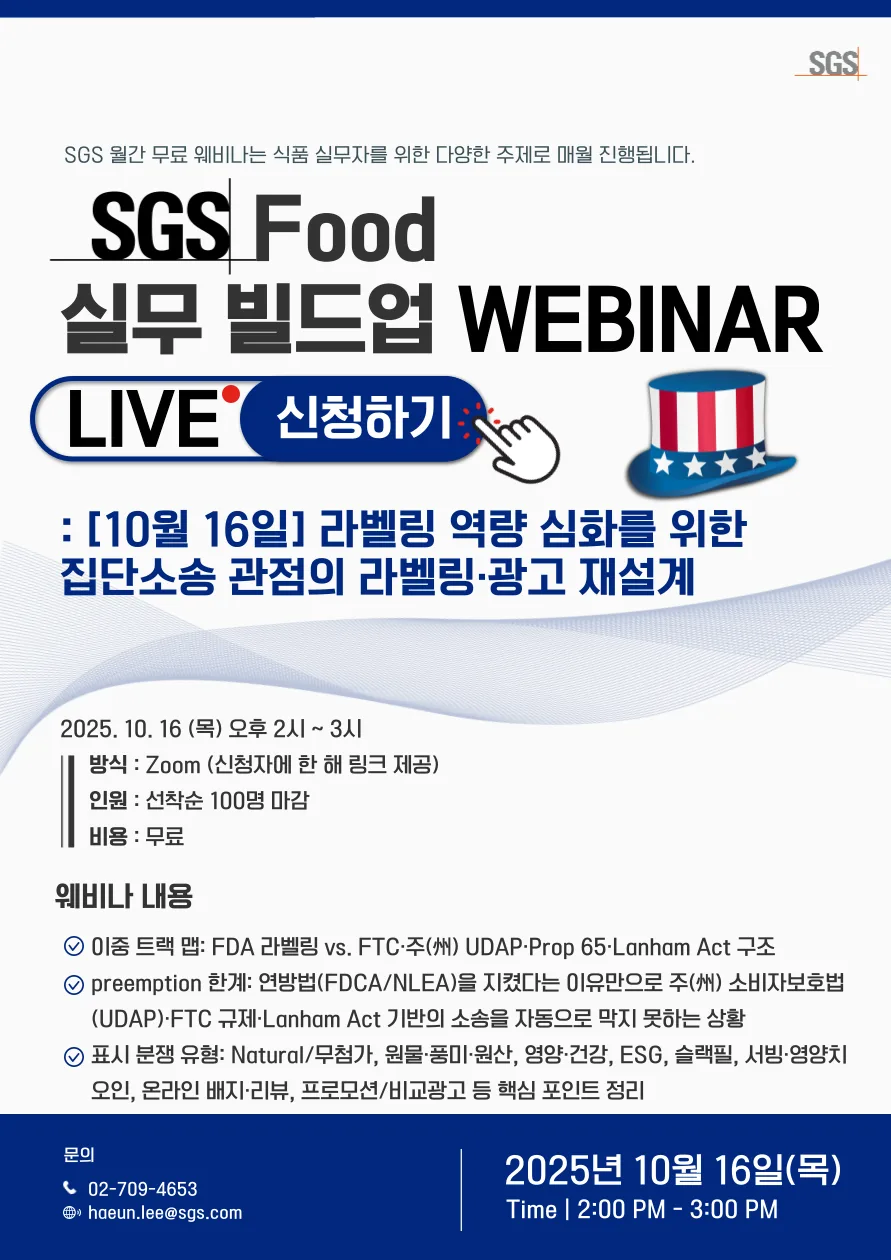
The Federal Trade Commission (FTC) rigorously regulates food advertising to prevent deceptive or misleading claims. Asserting health benefits without scientific substantiation or using language that could confuse consumers is prohibited. For instance, any claims about disease prevention or treatment must be backed by robust scientific evidence. Furthermore, each state has its own consumer protection laws that impact advertising practices, necessitating pre-launch research into the specific regulations of target markets. The Lanham Act also allows competitors to sue over false advertising, so comparative marketing requires careful consideration. Developing transparent and accurate advertising strategies that build consumer trust is paramount.
Analyzing Real-World Food Labeling and Advertising Disputes
Examining actual class-action lawsuits related to food labeling and advertising highlights common pitfalls for businesses. These often involve the imprecise use of terms like 'natural' or 'organic,' errors in nutritional fact panels, or failure to disclose allergens. Advertising claims that imply disease prevention or treatment can also violate FTC guidelines. Such disputes can result in significant financial losses and irreparable harm to a brand's image. To minimize legal exposure, companies must stay updated on evolving regulations, strengthen internal review processes, and proactively seek legal counsel to ensure compliance and mitigate risks.
Preparing for Food Regulation Training: What to Expect
Effective preparation for the evolving landscape of food labeling and advertising regulations requires comprehensive training. For businesses targeting the US market, this includes specialized education on FDA labeling requirements and FTC advertising standards. Training programs often incorporate case studies and practical application guidance to address real-world challenges. In-depth sessions covering the interplay between labeling and advertising regulations can help develop integrated strategies. Regularly updating knowledge through such training is vital for enhancing internal expertise and maintaining a competitive edge in compliance.
For more details, check the original source below.