
Union Materials is a key player in producing ferrite magnets and fine ceramic materials, gaining attention as a rare earth alternative and benefiting from the expanding electric vehicle (EV) market. Its stock price is highly sensitive to news surrounding rare earth supply chains, particularly those originating from China.
What are Union Materials' core business areas?
Union Materials operates two primary business segments. The first is the production of ferrite magnets, a crucial component for automotive, home appliance, and industrial motors. These magnets serve as a significant revenue stream and are increasingly recognized as a viable alternative to rare earth magnets. The second segment involves fine ceramics, used in cutting tools and industrial parts, which provides a stable, consistent income source. The company is actively expanding its presence in the electric vehicle (EV) and automotive electronics sector, aiming to secure future growth by supplying materials for EV motors. This strategic focus signals a transition from a traditional materials company to a key player in rare earth alternatives and advanced EV components.
Why is Union Materials considered a rare earth stock?
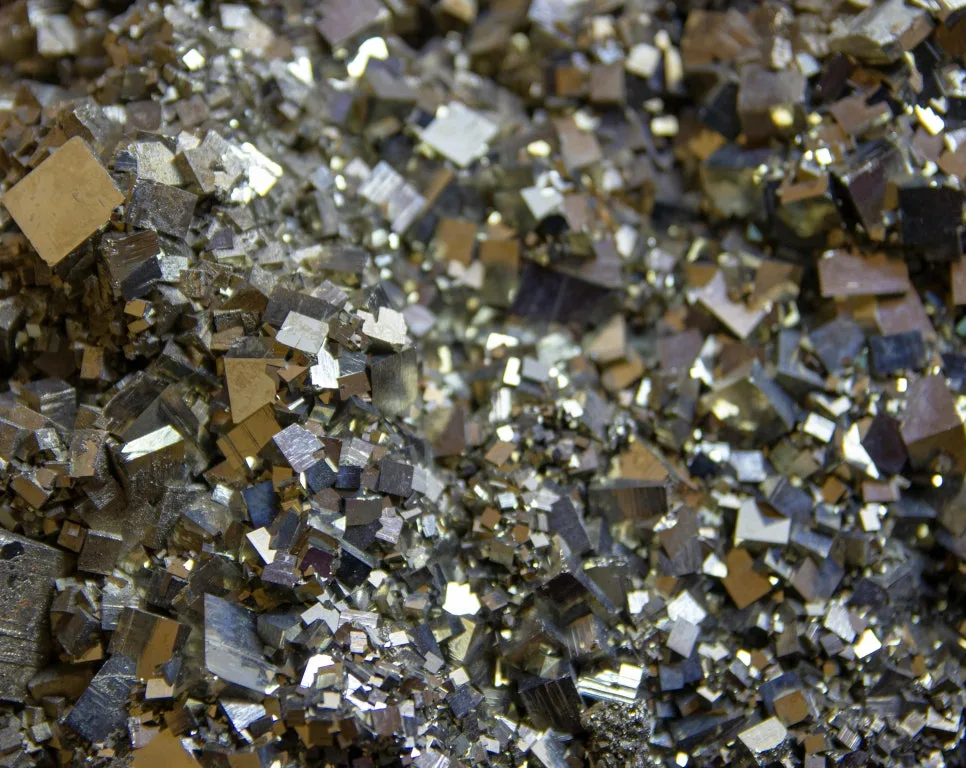
Union Materials is strongly positioned as a rare earth stock primarily due to its production of ferrite magnets, a direct alternative to rare earth materials. Recent geopolitical tensions, particularly between the US and China, and concerns over potential Chinese export controls on rare earths have created significant supply chain instability. In response, global automakers like Tesla are exploring ways to reduce or replace rare earth usage with materials like ferrite magnets. Union Materials stands to benefit significantly from this shift, having previously seen its stock surge during past Chinese rare earth export restriction scares. This demonstrates how external policy and geopolitical events, rather than just company performance, heavily influence its stock price.
What are Union Materials' future growth prospects?
Union Materials' future growth is anticipated from two main avenues. Firstly, the expanding electric vehicle and automotive electronics market is expected to drive increased demand for ferrite magnets used in EV motors. This provides a strong long-term growth narrative for their core business. Secondly, the ongoing global supply chain restructuring, with countries aiming to reduce reliance on China, could elevate the importance of rare earth alternatives. This geopolitical shift presents a potential opportunity for Union Materials. However, investors should monitor whether the company can achieve sustained profitability, with a key indicator being a return to cumulative operating profit in 2025, and assess the potential impact of increasing competition.
What should investors be cautious about when considering Union Materials?
The most significant risk for Union Materials investors is its high dependency on thematic trends. The stock's performance is heavily influenced by news related to the rare earth supply chain and Chinese policy, leading to considerable volatility. If rare earth-related news subsides or supply chains stabilize, the current momentum could weaken, potentially leading to a stock price decline. Furthermore, competition in the ferrite and rare earth alternative market is intensifying, with companies like EG, Samhwa Electronics, and Mirae NanoTech also active in this space. Given the stock's volatility, a cautious approach is recommended. Investors should carefully consider their individual risk tolerance and investment goals before making any decisions. Consulting with a financial advisor is advisable if you are uncertain about your investment strategy.
For more details, check the original source below.





