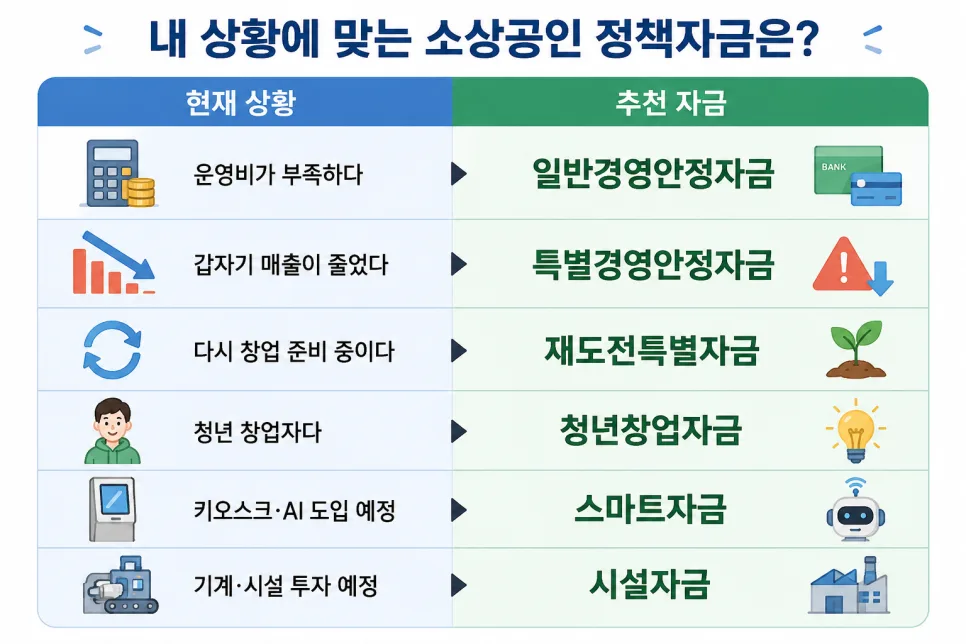
Navigating the different types of small business grants and loans for 2026 can be confusing. This guide breaks down each funding option, from general operating funds to facility investments, making it easy to find the right financial support for your business needs.
What Small Business Funding Options Are Available in 2026?
Securing capital is a constant challenge for small business owners. When searching online, terms like general operating funds, special crisis funds, restart loans, and smart technology grants can be overwhelming. The key is identifying the funding that best suits your specific business situation. This guide simplifies the most popular government-backed funding options for small businesses, helping you clearly understand which might be most beneficial for your venture.
When Should You Apply for Specific Small Business Grants?
Government funding is generally categorized based on your business's current status and future potential. General operating funds are ideal for businesses experiencing cash flow shortages for essential expenses like rent, inventory, or payroll. In contrast, special crisis funds offer emergency support for businesses facing sudden downturns due to economic recessions, sharp sales declines, or supply chain disruptions. For entrepreneurs with past business failures or debt restructuring history, restart grants provide a second chance, evaluating your renewed entrepreneurial spirit and business viability. Additionally, specific programs like youth startup grants focus on future potential and digital innovation, while smart funds support the adoption of digital technologies such as kiosks or automation systems. Finally, facility loans are available for capital investments like purchasing machinery, store renovations, or expanding physical locations. Choosing the right fund requires careful consideration of your business stage and immediate needs.
Why Are Business Plans and Financial Management Crucial for Grant Applications?
Beyond simply stating financial hardship, the approval of government funding hinges on demonstrating your business's sustainability and growth potential. This involves a thorough evaluation of your sales trends, tax compliance, credit history, and a well-defined business plan. Consistently filing taxes accurately, meticulously tracking all revenue streams (both digital and card payments), and maintaining transparent financial records are vital for increasing your chances of securing these funds. For larger investments, such as facility loans, a clear business plan and proof of stable revenue are essential. This financial health and detailed planning demonstrate reliability and are key factors in government funding decisions.
What Should You Watch Out For When Utilizing Small Business Funding?
Small business funding is more than just a loan; it can be a lifeline to keep your business afloat, a stepping stone for a comeback, or an opportunity for significant growth. However, it's crucial to use these funds strategically and responsibly. Ensure the funds are allocated precisely to the intended purpose, whether it's operational expenses, equipment upgrades, or market expansion. Mismanagement can lead to further financial strain. Always maintain clear records of how the funds are being used and their impact on your business. Understanding the terms and conditions of any grant or loan is paramount to avoid unexpected fees or repayment issues. Proper utilization can pave the way for sustained success and future opportunities.
For more details, check the original source below.