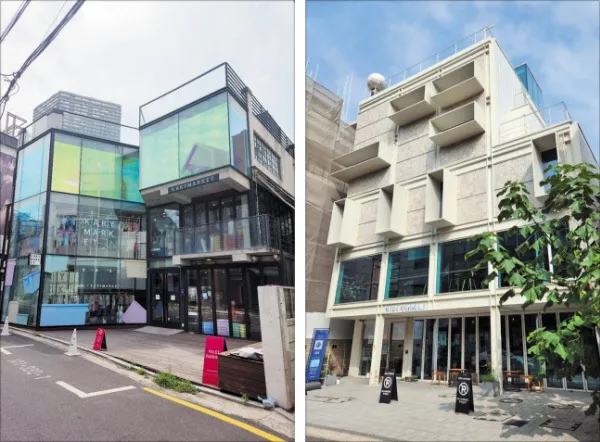
Many are missing the key to small building investment amidst rising apartment prices. The reasons 40s-50s are choosing small buildings over apartments are clear, signaling a new investment trend beyond simple asset reallocation.
Why Are 40s-50s Turning to Small Buildings?
Recently, interest in small buildings, often called 'kkoma-building' (small buildings) in Korea, has surged among investors in their 40s and 50s. They are primarily purchasing these properties for stable monthly rental income and the expectation of long-term land value appreciation. Notably, an increasing number of these investors are leveraging loans secured by their already appreciated apartments to fund these small building investments. This trend mirrors a broader pattern seen in the stock market, where investors who achieve profits often reallocate funds to real estate, particularly stable, income-generating properties. It represents a strategic approach to diversifying assets for retirement, going beyond mere responses to housing price fluctuations.
Small Building Market: Opportunity Amidst a Downturn?
The current small building market is experiencing a downturn, with significantly reduced transaction volumes due to stricter lending regulations and a general economic slowdown. While in the past, tighter housing market regulations sometimes led to a 'balloon effect' where capital flowed into the building market, this effect is less pronounced now due to strong loan restrictions and a booming stock market. Despite the cautious sentiment across the market, small buildings with prime locations continue to trade actively. This underscores the enduring importance of 'location' in real estate investment, as investors tend to concentrate their capital in areas perceived as safer amidst increasing uncertainty.
Asset Liquidation by 60s-70s and Acquisition by 40s-50s
Meanwhile, a distinct trend of asset liquidation is emerging among wealthy individuals in their 60s and 70s who own buildings. These divestment decisions are driven by a complex mix of factors, including children's weddings, inheritance planning, the need for family property division, and concerns about potential conflicts arising from co-ownership. There's a growing tendency to finalize these asset distributions beforehand, especially when buildings previously managed by the older generation are set to be jointly owned by their children. This wave of 'liquidation' by older generations, coupled with the 'acquisition' demand from those in their 40s and 50s, is creating a new dynamic in the small building market.
Promising Investment Areas and Considerations
Commercial districts popular with foreign tourists are currently drawing significant investor attention. Areas like Seongsu, Myeongdong, Hongdae, Anguk, and Gwanghwamun are prime examples. While domestic consumer spending can be sensitive to economic fluctuations, areas catering to foreign tourists tend to maintain more consistent demand. Future commercial area analysis must comprehensively consider not only domestic foot traffic but also the movement and spending patterns of international visitors. Furthermore, with construction costs soaring, purchasing existing buildings and remodeling them is emerging as a more practical alternative than new construction. Properties with potential for expansion or those that have already utilized their full floor area ratio (FAR) can also be attractive investments. However, given the current low rental yields, it's crucial to carefully consider whether the investor plans to utilize part of the space themselves.
Points to Note for Small Building Investment
When investing in small buildings, several crucial points must be kept in mind. Firstly, excessive borrowing is strongly discouraged. Considering the possibility of interest rate hikes and economic uncertainties, it's vital to establish a manageable loan limit. Secondly, don't solely rely on advertised rental yields. A conservative prediction of actual returns should account for vacancy risks, rising management fees, and unexpected repair costs. Thirdly, when analyzing commercial areas, look beyond current foot traffic to potential future changes. Thoroughly examine factors like rent increases due to gentrification and surrounding development plans. Lastly, as this falls under YMYL (Your Money Your Life) territory, consulting with a professional is highly recommended to formulate an optimal strategy tailored to your personal financial situation and investment goals before making any decisions. This is not financial advice. Consult a licensed financial advisor.
For more detailed small building investment strategies, check the original source below.





