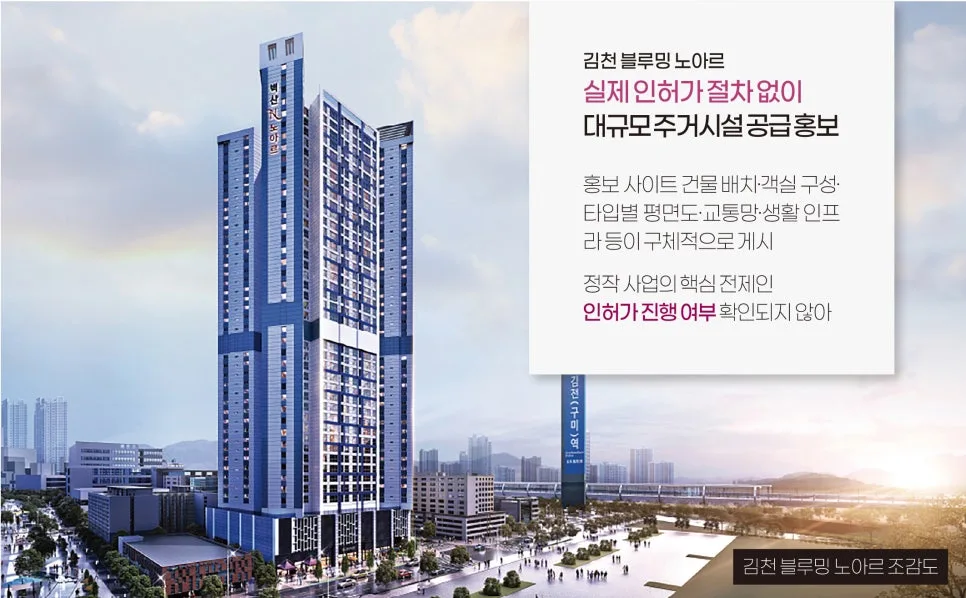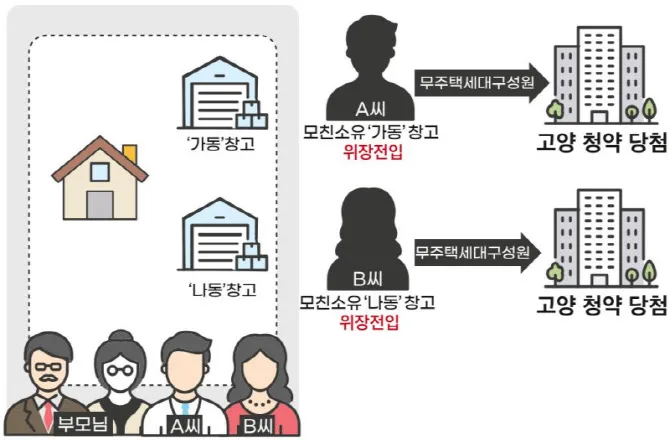
In 2026, the South Korean government is launching a major crackdown on real estate fraud, specifically targeting individuals who have manipulated their applications for high-point housing. Investigations will scrutinize claims of fake residency and fabricated dependents, with penalties including contract cancellations and up to a 10-year ban on future housing applications. This initiative aims to restore fairness and trust in the competitive housing market.
Why is the Government Investigating Real Estate Fraud?
The surge in exceptionally high scores on housing applications, particularly in desirable Seoul areas, has prompted a government investigation into potential fraudulent practices. Cases of fake residency, falsely registered dependents, and even forged documents to secure housing eligibility have become increasingly common. The government plans a comprehensive review of approximately 25,000 households across 43 complexes nationwide. These fraudulent schemes are often driven by the significant profit potential from rising apartment prices and limited supply, making the stakes incredibly high for those seeking to enter the market.
How Does the Government Verify Housing Applications?
The government's verification process goes beyond basic residency checks. It involves a multi-faceted approach to confirm genuine living situations. This includes reviewing health insurance records to verify employment and residency, cross-referencing medical and pharmacy usage to confirm actual living locations, and checking lease agreements to validate rental status. For property ownership, real transaction data will be scrutinized. This rigorous examination aims to prevent manipulation of key scoring elements like dependent family members (up to 35 points) and non-homeowner status duration (up to 32 points). For instance, proposed changes aim to extend the required registration period for dependents from one to three years and mandate health insurance documentation for adult children.
What Are the Penalties for Real Estate Fraud?
The consequences for fraudulent housing applications are severe. Upon detection, any existing contract will be immediately canceled, and the applicant's eligibility will be invalidated. Initial deposits may be forfeited, making recovery of funds difficult. Furthermore, individuals caught engaging in such practices can face criminal charges and be banned from applying for housing for up to 10 years. The government is emphasizing a zero-tolerance policy to curb these illicit activities and ensure a fairer system for genuine homebuyers, thereby restoring confidence in the housing market.
How Can Trust Be Restored in the Housing Market?
Experts suggest that rebuilding trust in the housing market requires more than just stricter penalties. It necessitates the establishment of a transparent and robust verification system that prevents genuine buyers from feeling disadvantaged. Strengthening the scrutiny of dependent family member claims, ensuring they genuinely reside with and are supported by the applicant, is crucial. Moreover, addressing the root causes of fraud—namely, the high cost of apartments and limited supply in popular areas—through long-term housing supply expansion and stable pricing policies is essential. Consulting with real estate professionals can provide personalized guidance for navigating the complexities of the housing market.
For more details, check the original source below.