As South Korea partially reopens short selling in 2026, many individual investors are curious about the changes and potential risks. While some improvements have been made to the system, significant disadvantages for retail investors persist. This guide breaks down the key adjustments to short selling regulations and highlights crucial considerations for individual investors navigating this market.
What's New with Short Selling in Korea (2026)?
Effective May 3, 2026, short selling has partially resumed in the South Korean stock market after a 14-month hiatus. This reopening is limited to stocks within the KOSPI200 and KOSDAQ150 indices, which represent large-cap, highly liquid companies. Short selling is an investment strategy that bets on a stock price decline; investors borrow shares, sell them, and then buy them back at a lower price to return to the lender, pocketing the difference. Previously, individual investors often criticized the system as favoring foreign and institutional players, leading to calls for a ban. However, the government has opted for a phased reopening, aiming to expand participation opportunities for retail investors through system improvements.
A key improvement is the introduction of a stock lending program specifically for individual investors. Retail investors can now borrow shares through securities finance companies and brokerages, with a total pool of approximately ₩2.4 trillion (around $1.8 billion USD) in shares made available. While previously only six firms offered this service with limited stock, 17 major brokerages now provide it, with smaller firms expected to follow. Crucially, individual investors can now borrow shares across all stocks eligible for short selling, not just a select few.
What Improvements Are There for Individual Investors?
Related Articles
To address criticisms of an uneven playing field, the government has implemented several measures. Firstly, the individual stock lending program, backed by $1.8 billion USD in available shares, allows retail investors to borrow stock. Secondly, borrowing is now permitted for all eligible short-selling stocks, expanding access. Thirdly, to mitigate risks for inexperienced investors, a mandatory 30-minute educational course and one hour of simulated trading on the exchange are required before engaging in short selling.
What Are the Short Selling Investment Limits for Individuals Based on Experience?
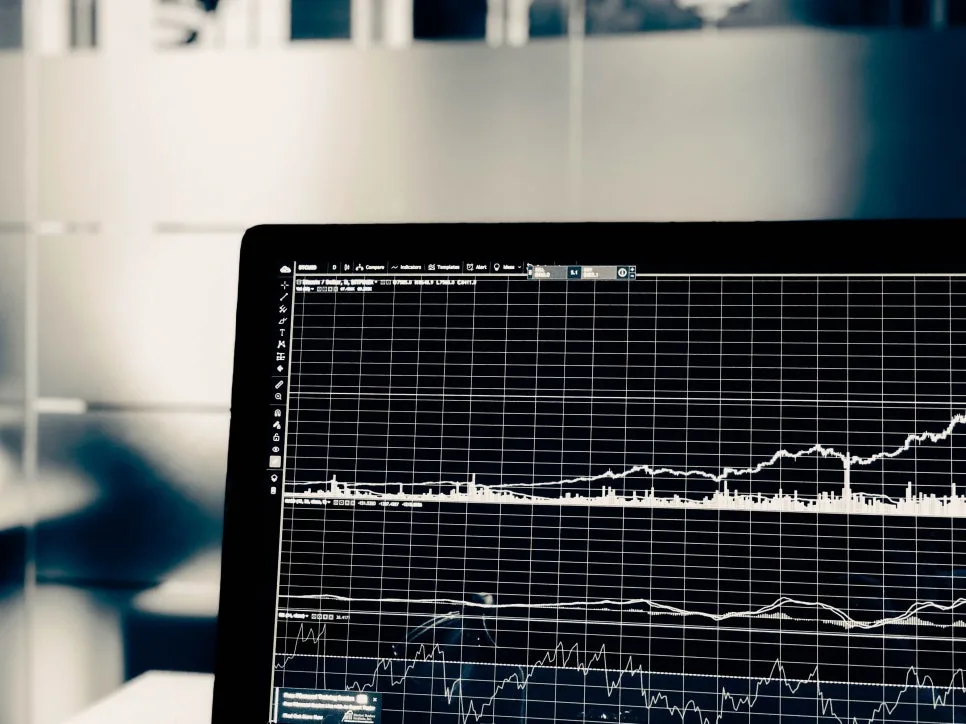
The revamped short selling system introduces tiered investment limits for individual investors based on their experience. New investors are capped at ₩30 million (approximately $22,000 USD). Those with at least five prior transactions and a cumulative borrowing of ₩50 million (around $37,000 USD) can invest up to ₩70 million (about $52,000 USD). Professional investors with over two years of trading experience face no investment limit. It's crucial for investors to sign an agreement with their brokerage and maintain the agreed-upon collateral ratio; failure to do so can result in forced liquidation (counter-trade).
What Are the Penalties for Illegal Short Selling and Market Stabilization Measures?
Penalties for illegal short selling have been significantly strengthened, reflecting past criticisms of lenient punishments, such as the Goldman Sachs naked short selling case. Now, illegal short sellers may face administrative fines equivalent to the value of the fraudulent order or imprisonment for at least one year. To swiftly address market instability, stocks experiencing excessive short selling volatility will be designated as 'overheated short selling stocks,' allowing for rapid intervention. These measures aim to foster a healthier market environment and better protect individual investors.
What Disadvantages Do Individual Investors Still Face?
Despite these improvements, individual investors still encounter significant disadvantages. The most prominent is the collateral ratio. While institutional and foreign investors typically require a 105% collateral ratio, individuals must provide 140%. This disparity contradicts the goal of creating a more level playing field. Furthermore, there's a difference in stock repayment timelines. Institutions and foreigners can recall borrowed shares 'at any time,' whereas individuals face a repayment deadline of up to 60 days. These discrepancies lead to ongoing criticism that the 'uneven playing field has only been slightly leveled.'
For more details, check the original source below.