As of 2026, private rental apartments (Min-gan Im-dae A-pa-teu) in Korea refer to housing supplied by private developers, allowing residents to rent for a set period before having the option to purchase. This offers a pathway to homeownership with a lower initial barrier to entry and reduced financial burdens compared to traditional home buying, making it an attractive alternative for many.
What Exactly Is a Private Rental Apartment? (2026 Definition)
Private rental apartments are housing units provided by private construction companies or developers, rather than government entities like the Korea Land and Housing Corporation (LH). These are typically offered under long-term lease agreements, often 10 years or more, with the option for the tenant to convert their lease into ownership at the end of the term. This model is particularly beneficial for individuals with lower lottery scores or those who may not have immediate access to substantial down payments, offering a practical route to owning a home. With the recent fluctuations in the real estate market, these properties are gaining attention for providing stable residency alongside the potential for capital appreciation.
What Are the Main Benefits of Private Rental Apartments? (For Living and Investing)

The primary advantages of choosing a private rental apartment lie in their accessibility and tax benefits. Crucially, these properties are often not counted towards your total number of owned homes, significantly reducing the burden of property taxes like acquisition tax and holding tax. Furthermore, they generally face fewer restrictions on mortgage loans, simplifying financial planning. The initial capital required is considerably lower than for a standard pre-sale apartment, and opting for a 'Jeonse' (lump-sum deposit) style lease can further reduce upfront costs. Upon the end of the lease term, there's the potential to purchase the unit at a price that could be more favorable than the prevailing market rate at that time. These factors make them an appealing option for those without a lottery subscription account, those with low lottery scores, or individuals seeking stable housing away from regulated investment zones.
What's the Difference Between Private and Public Rental Apartments?
Private rental apartments and public rental apartments differ significantly in their providers, eligibility requirements, and rental terms. Public rental housing is supplied by government bodies and has strict income and asset criteria to support low-income households. In contrast, private rentals are offered by private developers. While some government-supported private rentals may have certain income or asset limitations, general private rental apartments typically have minimal eligibility restrictions, making them accessible to a broader range of applicants. Rental prices and the conditions for converting to ownership also vary, so it's essential to carefully assess which type best suits your individual circumstances.
What Should You Watch Out For When Signing a Contract for a Private Rental Apartment?
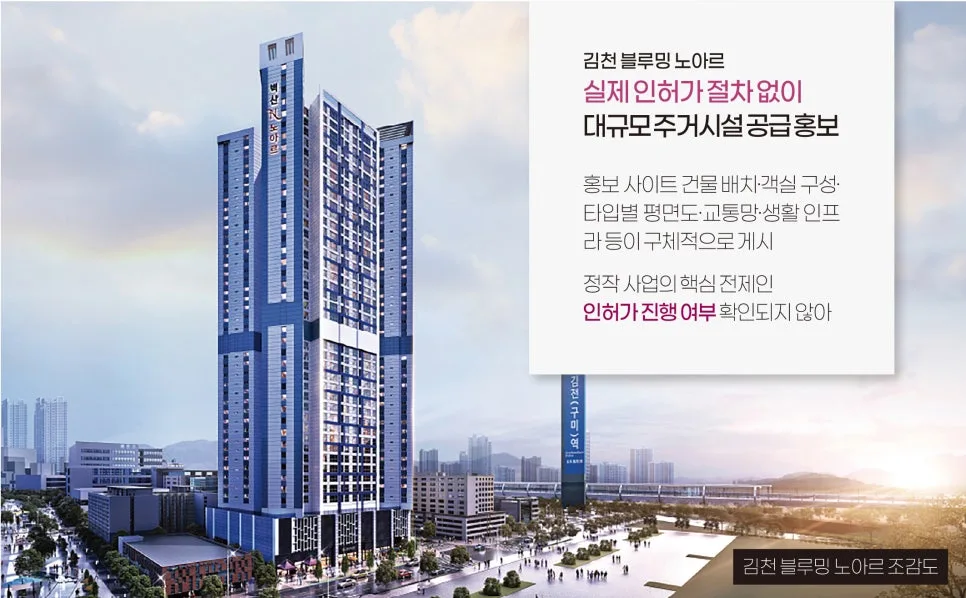
While private rental apartments offer numerous advantages, it's crucial to be aware of potential pitfalls before signing a contract. Firstly, the final purchase price upon conversion to ownership is often determined at the end of the lease term. This means there's a risk of paying a higher price than anticipated if the property value increases significantly. Therefore, understanding the exact criteria for calculating the conversion price is vital. Secondly, there's a possibility of project delays or cancellations due to the developer's financial stability or project execution capabilities (developer risk). Before signing, thoroughly investigate the developer's track record and ensure all terms regarding resale restrictions or mandatory residency periods are clearly understood.
For more details, check the original source below.