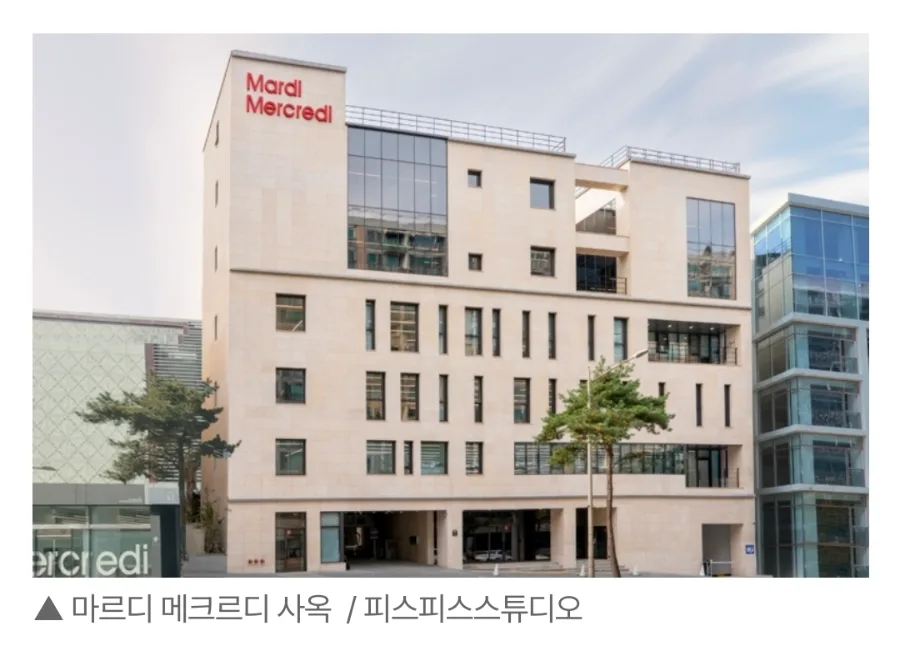
As Peace Peace Studio, the company behind the popular Mardi Mercredi brand, approaches its KOSDAQ IPO, investors are scrutinizing potential risks including significant family ownership and a noticeable slowdown in financial performance. The fact that a 9-year-old child is the second-largest shareholder raises questions about future succession and highlights a concentrated ownership structure, making it crucial to understand these factors before investing.
Why is a 9-Year-Old the Second-Largest Shareholder in Peace Peace Studio?
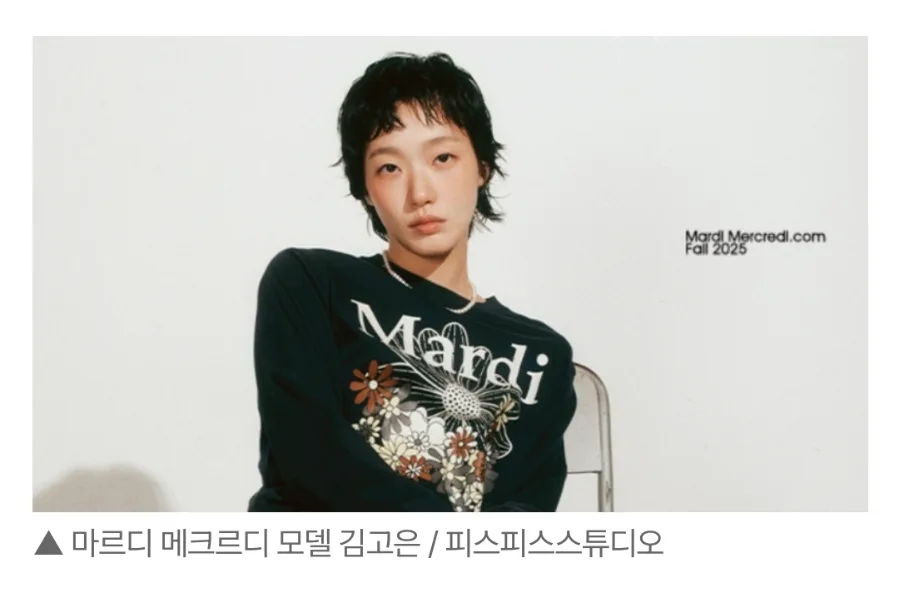
Peace Peace Studio, operating the Mardi Mercredi brand, has experienced rapid growth since its founding in 2020, largely due to its single-brand strategy. However, financial disclosures reveal that the founder, CEO Park Hwa-mok's 9-year-old child holds an 8.6% stake, making them the second-largest shareholder. This family-centric ownership, alongside Park's immediate family, is typical of many founder-led businesses. Upon IPO, this minor's stake could be valued at approximately $15-20 million USD, potentially reigniting discussions around 'child billionaires' seen in past cases. While the company states this is unrelated to succession planning and that the initial stake was acquired before an IPO was envisioned, such a significant holding by a minor will inevitably attract market attention regarding future inheritance taxes, estate planning, and potential profit-taking strategies.
What is the Family's Shareholding Structure and Lock-up Strategy?
The ownership structure of Peace Peace Studio is deeply rooted in family ties. Notably, the CEO's sister-in-law holds a stake twice as large as the CEO's spouse. It's understood that some of the shares being offered in the IPO are intended to help fund future gift taxes. While the IPO includes a significant portion of new shares, approximately 40% of the total shares could be available for trading immediately after listing, posing a potential risk to market supply and demand. In response, the company and its major shareholders have committed to responsible management, with the CEO and his immediate family agreeing to a 30-month lock-up period for their shares. Key executives and certain related parties are also participating in this lock-up, aiming to alleviate market concerns.
Why Has Growth Slowed Compared to Competitors?
While Peace Peace Studio saw considerable growth in its early years, both its expansion rate and profitability have noticeably decelerated over the past one to two years. In 2025, revenue increased by only 3.6% year-over-year, while operating profit plummeted by approximately 41%. The first quarter of 2026 continued this trend, with revenue down 30% and operating profit down 75% compared to the same period last year, indicating a deepening profitability crisis. The company's valuation, once estimated at nearly $1 billion USD, has since been revised down to around $220-250 million USD, with some analysts suggesting further adjustments may be necessary. In contrast, competitors like Layer (which manages Marithe Francois Girbaud) have seen revenue and operating profit growth, highlighting a significant divergence in performance among brands in the '3 Mar' category (Marithe Francois Girbaud, Matin Kim, Mardi Mercredi).
What Should Investors Consider Post-IPO?
Before investing in Peace Peace Studio's IPO, potential investors should carefully evaluate several key risk factors. Firstly, the family-dominated ownership structure, including a minor shareholder, could lead to future issues concerning succession and gift taxes. Secondly, the recent slowdown in growth and declining profitability, particularly when compared to competitors, presents a significant concern for the company's valuation. Thirdly, the substantial volume of shares available for trading immediately after the IPO could create short-term supply and demand imbalances. A thorough assessment of these factors, aligned with your personal investment goals and risk tolerance, is crucial. Consulting with a financial advisor is recommended for personalized guidance.
For more details on Peace Peace Studio's IPO, check the original source below.