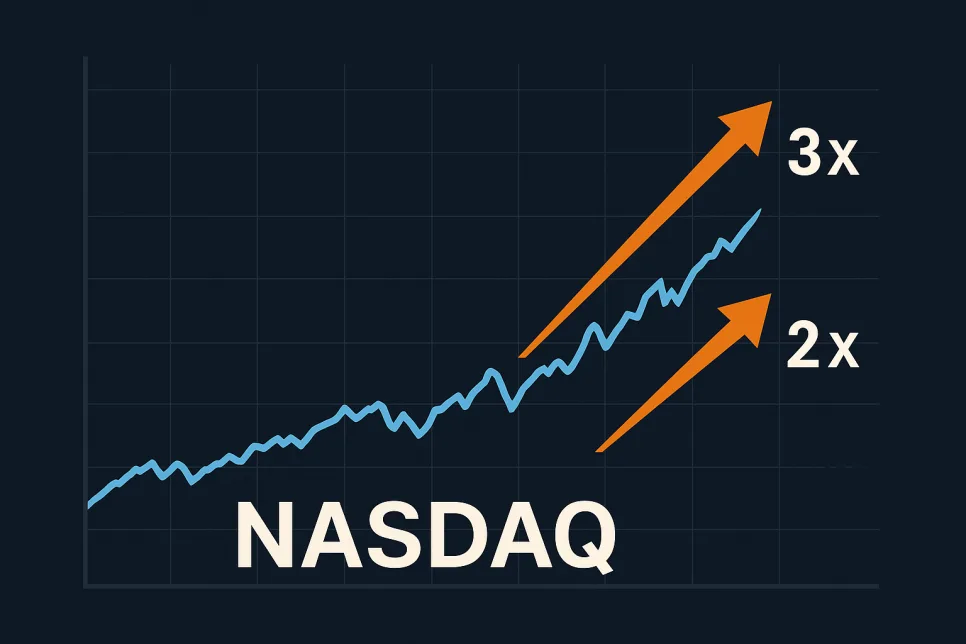
Investing in leveraged NASDAQ 100 ETFs like TQQQ (3x) and QLD (2x) offers the potential for high returns by tracking 2-3 times the index's daily performance. For aggressive growth in 2026, these instruments present opportunities, but they come with significant risks, including negative compounding and high volatility, necessitating careful risk management strategies like dollar-cost averaging and rebalancing.
NASDAQ 100 Leveraged ETFs: What's the 2026 Outlook?
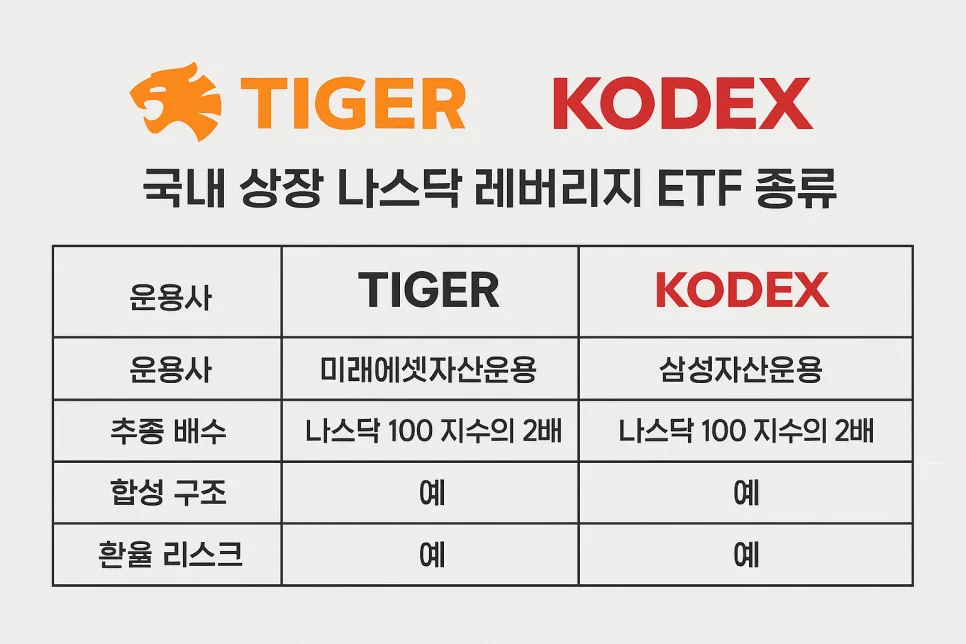
Leveraged NASDAQ 100 ETFs aim to deliver 2x or 3x the daily returns of the NASDAQ 100 index, which comprises the 100 largest non-financial companies listed on the Nasdaq. For 2026, the investment landscape will likely be shaped by the Federal Reserve's monetary policy and the performance of AI-driven tech giants. While advancements in AI could boost the NASDAQ 100, a sustained high-interest rate environment might pressure growth stocks. Investors should monitor key economic indicators closely, as these will significantly influence the index's volatility and, consequently, the performance of leveraged ETFs.
Why Should Investors in Their 20s Pay Attention?
For investors in their 20s, time is a powerful asset, and leveraged NASDAQ 100 ETFs can offer a pathway to aggressive wealth accumulation. In an era of potentially slower wage growth, strategically pursuing higher returns through calculated risks might be a consideration. However, this approach demands a thorough understanding of one's risk tolerance and financial situation. It's crucial to start with small, manageable investments to gain market experience before committing larger sums. This strategy should only be pursued after careful analysis and if the potential losses are within an acceptable range for your financial plan.
Key Investment Strategies and Volatility Management

Effective volatility management is paramount for leveraged ETF investing. Dollar-cost averaging, by investing a fixed amount regularly, allows you to acquire more shares when prices are low, potentially lowering your average cost basis. Regular rebalancing of your portfolio is also essential to maintain your desired asset allocation and manage risk. Timing your investments can be informed by analyzing macroeconomic indicators like the Federal Reserve's interest rate decisions and Consumer Price Index (CPI) data. Generally, technology stocks tend to perform well during periods of declining interest rates, suggesting a potential time to increase exposure, while rising rates might call for a more conservative stance. Adapting your strategy based on market conditions and your personal financial goals is key.
The Critical Risks of Leveraged Investing and Precautions

The most significant risk associated with leveraged ETFs is 'negative compounding.' Even if the underlying index recovers its losses, a 3x leveraged ETF can suffer substantial principal loss due to the compounding effect over time. This makes them unsuitable for long-term buy-and-hold strategies. Establishing clear stop-loss rules, such as selling half your position if the ETF drops by 15%, is critical for survival. Understanding your investment personality and adhering strictly to your principles are vital. When managed correctly, these instruments can be powerful tools for wealth creation, but without discipline, they can lead to irreversible financial damage. Financial experts emphasize the importance of clearly defining your investment objectives and risk tolerance before investing.
For more details, check the original source below.





