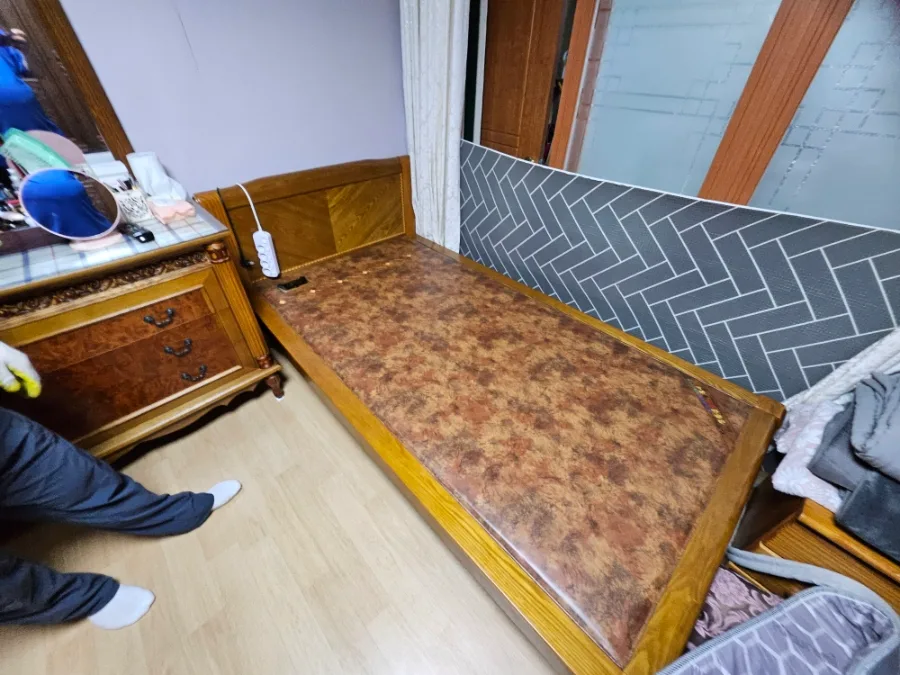
Moving a Korean health bed, like a traditional Hwangto (yellow clay) heated bed, requires specialized care due to its unique construction. This guide details the safe process for relocating a single-person Hwangto bed from a detached house to an apartment in 2026, focusing on preventing damage to the heating unit and frame, especially when using elevators.
Why is Moving a Korean Health Bed Different from Regular Furniture?
Relocating a Hwangto heated bed involves more than just standard furniture moving. These beds are not just simple frames; they contain complex internal components like yellow clay pellets, a heavy heating base (boryo), electrical heating wires, and a robust frame. Mishandling these elements can easily lead to damage, such as cracking the heating base, damaging the wires, or warping the frame. Unlike a typical sofa or table, a Hwangto bed requires specialized knowledge and careful handling to ensure it functions correctly after the move. This guide draws from the experience of moving a single-person Hwangto bed from a detached house to a new apartment, providing a detailed look at the intricate process involved.
What Challenges Arise When Moving from a Detached House?
Starting the move from a detached house, even on the ground floor, presents unique challenges. Narrow doorways, high thresholds, and uneven floor levels can create unexpected obstacles. Before beginning the disassembly, it's crucial to inspect the bed's frame and the heating base's connection. Older beds may have components that have fused together, requiring careful technique to separate without force. For this particular single-person Hwangto bed, the process involved disconnecting the power, carefully checking the heating wires, disassembling the frame, and then separating the yellow clay heating base. The base itself is extremely sensitive to impact and its internal clay pellet balance can be easily disrupted, so every movement must be slow, deliberate, and precise.
What's the Most Critical Step in Moving the Heating Base?
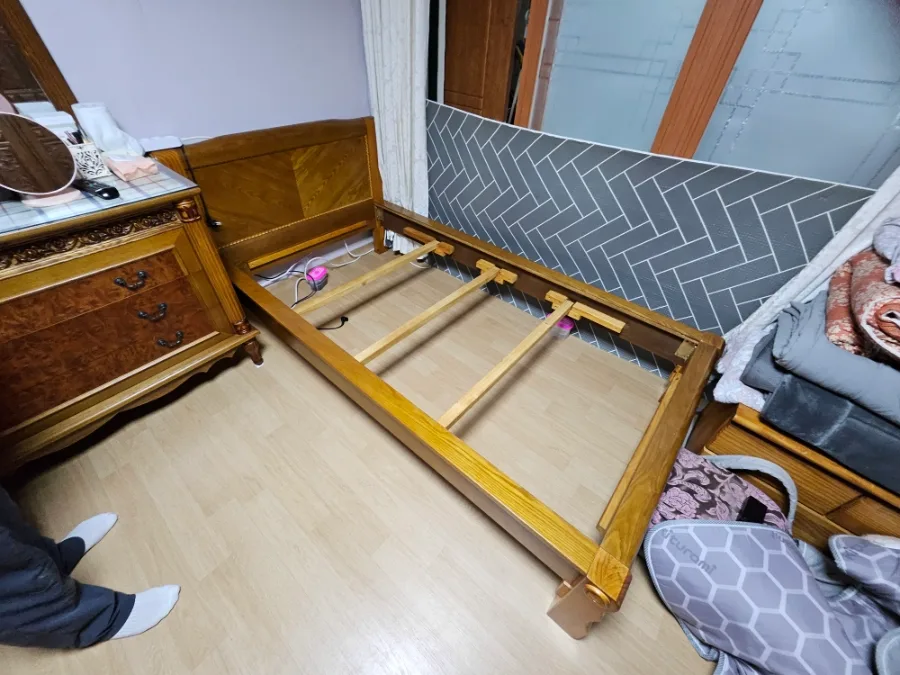
The single most critical aspect of moving a Hwangto heated bed is handling the heating base (boryo). This component is highly susceptible to damage from impact, and its internal balance of yellow clay pellets is crucial for even heat distribution. Never attempt to lift or twist the base with excessive force. Instead, it must be moved slowly and steadily while maintaining a stable posture. Improper handling can lead to uneven heating or failure to reach the correct temperature after reinstallation, significantly impacting the bed's therapeutic benefits. Therefore, selecting a professional moving service experienced with these specialized items is essential to prevent irreparable damage to the core components.
What Precautions Are Necessary When Using an Apartment Elevator?
The destination was a new apartment building, allowing for elevator use. New apartment finishes are often delicate, making it imperative to protect walls from scratches and scuffs. This requires careful planning of the moving path, precise maneuvering of the bed components, and ensuring no door frames are scraped. The Hwangto bed, disassembled into its frame and heating base, is moved in parts. A fundamental rule when transporting the heating base via elevator is to never move it vertically (standing upright). Each component must be moved with meticulous attention to detail to prevent any damage during transit within the apartment building.
What Are the Essential Checks After Reinstallation?
Upon arrival at the new location, the reassembly process begins in reverse order of disassembly. This includes ensuring the frame is perfectly level, carefully placing the yellow clay heating base, adjusting its position, and reconnecting the power. Proper leveling is vital for uniform heat distribution. Once reassembled, a thorough final inspection is mandatory. This involves checking that the power is correctly connected and functioning, verifying the temperature reaches the set level, listening for any unusual noises, and confirming the frame is stable with no wobbling. Only after confirming all functions are operating normally is the installation considered complete and successful.
Consult with specialists for detailed installation procedures.