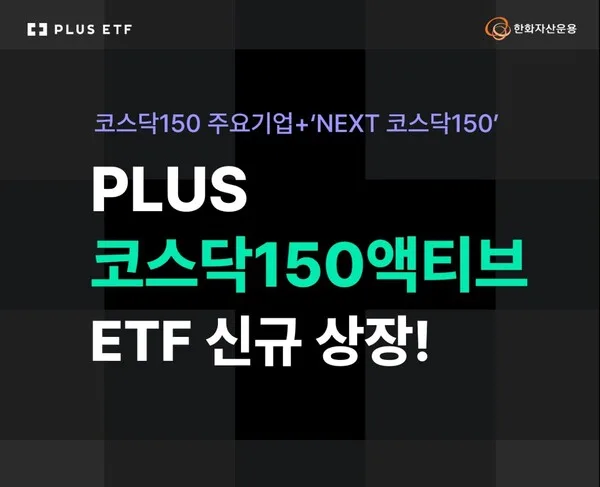
As of 2026, investing in the KOSDAQ 150 ETF can be a viable strategy for those seeking diversified, long-term exposure to South Korea's tech-heavy market. The KOSDAQ 150 ETF offers broad diversification across 150 key companies listed on the KOSDAQ exchange, known for its high growth potential, particularly in sectors like biotech and IT. However, the KOSDAQ market is inherently more volatile than the KOSPI, so timing your entry and managing your investment size are crucial for success.
What is the KOSDAQ 150 ETF and Why the Buzz?
The KOSDAQ 150 ETF tracks the 150 largest and most liquid stocks on the KOSDAQ exchange, acting as a mini-index for this dynamic market. It's an attractive option for beginners and experienced investors alike, offering a simplified way to invest in a basket of high-growth potential Korean companies without the hassle of picking individual stocks. Think of it as buying a slice of the entire KOSDAQ growth engine. However, it's essential to understand that the KOSDAQ market tends to be more volatile than the main KOSPI index. This means while you might see significant gains during a bull run, you could also experience sharper downturns or periods of stagnation. Therefore, assessing the current market cycle and understanding where we are in the broader economic trend is vital before committing capital to the KOSDAQ 150 ETF.
Managing Volatility and Dollar-Cost Averaging for KOSDAQ 150 ETF Investments
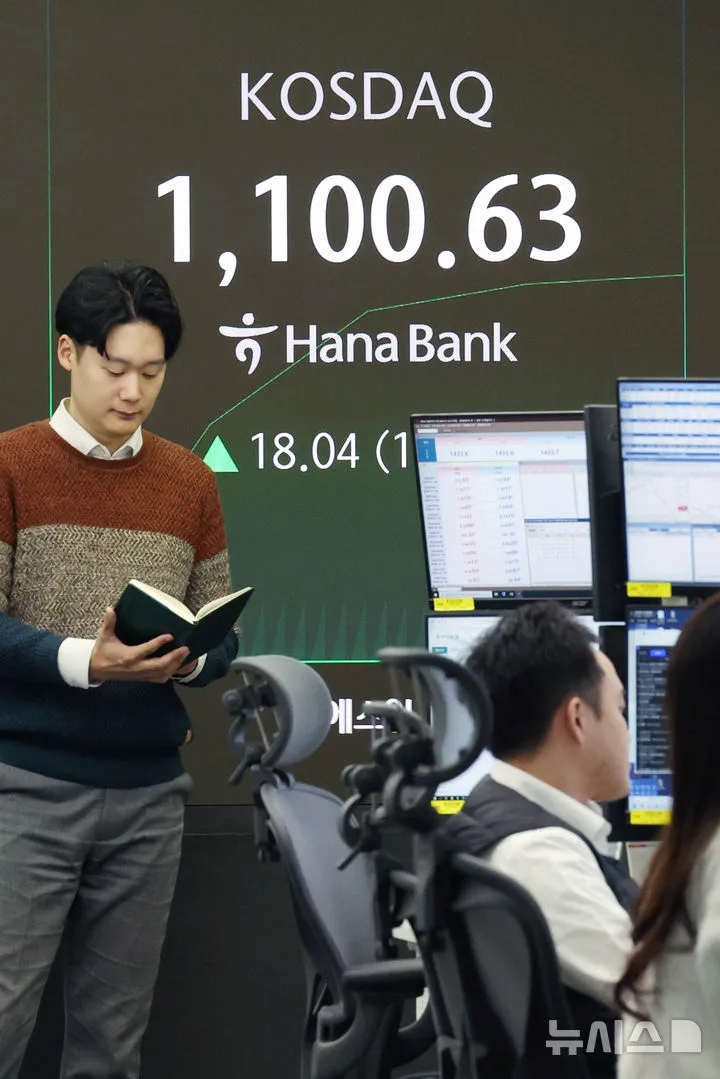
The KOSDAQ 150 ETF, with its concentration in growth-oriented companies, can be highly sensitive to market sentiment, leading to significant price swings. To navigate this, the first step is to honestly assess your personal risk tolerance. If a 10% drop in your investment would cause significant anxiety or lead you to panic sell, it's wise to allocate a smaller portion of your portfolio to this ETF. A robust strategy to mitigate volatility and emotional decision-making is dollar-cost averaging. Instead of investing a lump sum, consider spreading your investment across 3 to 5 separate purchases over time. This approach helps smooth out your average purchase price and reduces the risk of buying at a market peak. Consistently investing a fixed amount, regardless of market highs or lows, and avoiding emotional reactions to price fluctuations are key to maintaining discipline and long-term success.
Understanding Taxes and Transaction Costs for Real Returns
Beyond the ETF's performance, understanding the tax implications and transaction costs is critical for maximizing your net returns. The tax treatment for capital gains from KOSDAQ 150 ETFs can vary depending on the specific fund structure and your country of residence; always consult your brokerage's documentation for detailed information relevant to US investors. Expenses like management fees (total expense ratio), bid-ask spreads, and brokerage commissions can accumulate, especially with frequent trading. These costs directly reduce your overall profit. For instance, a seemingly small annual expense ratio of 0.5% can significantly eat into your returns over a decade. Therefore, if you plan to hold the KOSDAQ 150 ETF for the long term, thoroughly researching these costs and opting for funds with lower expense ratios is a prudent move. Minimizing transaction costs through strategic, long-term investing is far more effective than trying to time the market for short-term gains.
KOSDAQ 150 ETF: Is Now the Right Time to Invest? Key Decision Factors
Deciding whether to invest in the KOSDAQ 150 ETF right now hinges entirely on your individual financial goals, risk appetite, and investment horizon. If your objective is long-term wealth accumulation and you have a high tolerance for market fluctuations, the KOSDAQ 150 ETF can be a compelling component of a diversified portfolio. Its potential for high growth, driven by innovative Korean companies, aligns well with a long-term growth strategy. However, if you are risk-averse, require immediate income, or are investing for a short-term goal, this ETF might not be the most suitable choice. It's crucial to weigh the potential for significant capital appreciation against the inherent risks of volatility and market downturns. Developing a clear investment strategy tailored to your personal financial situation is paramount before committing any funds.
For more details, check the original source below.





