Navigating the 2026 Korean income tax season for tech businesses? Key strategies focus on maximizing deductions for personnel and R&D expenses, crucial for this sector. This guide breaks down essential filing tips and potential pitfalls to help you avoid penalties and optimize your tax savings.
Korean Tech Income Tax 2026: How to File and Avoid Penalties
The filing deadline for the 2026 tax year's income tax in Korea is June 1st. Since May 31st falls on a Saturday, the deadline is extended by one day. Missing this deadline can result in significant penalties, including a 20% no-filing penalty and late payment interest. To simplify the process and potentially benefit from an electronic filing tax credit, utilize the 'Taxpayer Assistance Service' available on the Hometax or Suntax platforms. These services can also provide real-time guidance on employment-related deductions. If electronic filing seems daunting, consider consulting a tax professional specializing in business accounting. To prevent a 2% penalty for insufficient documentation, ensure you retain proper receipts for all expenditures exceeding 30,000 KRW (approximately $22 USD), such as tax invoices and credit card statements. If you anticipate difficulty paying the full amount by the deadline, explore options like 'payment deadline extension' or 'installment payments' to manage your tax burden more effectively.
Optimizing Income Reporting for Korean Tech Companies
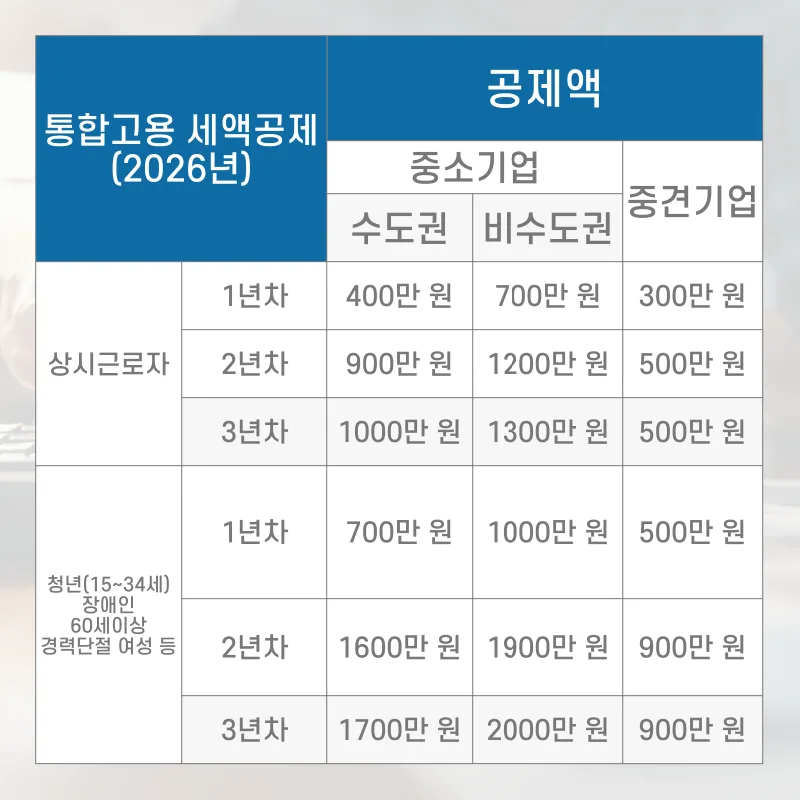
For tech businesses in Korea, accurately reflecting unique expenditure patterns in your accounting is vital. As of 2026, significant tax credits are available for hiring new employees or maintaining current employment levels. Companies that hire a substantial number of young developers, in particular, can see a considerable reduction in their income tax liability. Given that digital revenue streams like Google AdSense, app store sales, and payment gateway transactions are under close scrutiny by the National Tax Service, meticulous record-keeping to prevent any reporting omissions is a fundamental tax-saving strategy. Furthermore, selecting the correct industry code that accurately represents your services (e.g., software development, platform operation) is essential to qualify for the most beneficial tax reduction rates, such as special tax reductions for small and medium-sized enterprises.
Key Deductions and Tax Savings Strategies for Korean Tech Businesses
To minimize unnecessary tax outlays in 2026, actively leverage updated deduction schemes and IT-specific expense categories. For businesses engaged in research and development (R&D), eligible costs like developer salaries and subscriptions for research software can be claimed as tax credits, provided specific legal requirements are met. Maintaining detailed records, such as R&D journals, is crucial for substantiating these claims. Expenses for outsourced freelance work should be properly documented with withholding tax receipts for clear cost accounting. High-value assets like servers and workstations can be expensed over time through depreciation, providing a stable annual deduction. Additionally, business owners with annual income below 40 million KRW (approximately $29,000 USD) can benefit from the 'Yellow Umbrella' (노란우산공제) savings program, which offers annual income deductions of up to 6 million KRW (approximately $4,400 USD), helping to lower your tax bracket.
Common Mistakes in Korean Tech Income Tax Filing
The core of tax savings for Korean tech businesses lies in the synergy between employment and R&D tax credits, coupled with rigorous documentation. It's crucial to convert investments in human capital into tax benefits and maximize income deduction limits to reduce your taxable income. Key contributors to tax penalties include underreporting digital sales, incorrect industry code classifications, and insufficient R&D documentation. Therefore, thorough preparation through meticulous record-keeping and timely electronic filing is essential. Since tax-saving strategies can vary based on individual circumstances, consulting with a tax professional is recommended to identify the optimal approach for your business.
For more details, check the original source below.





