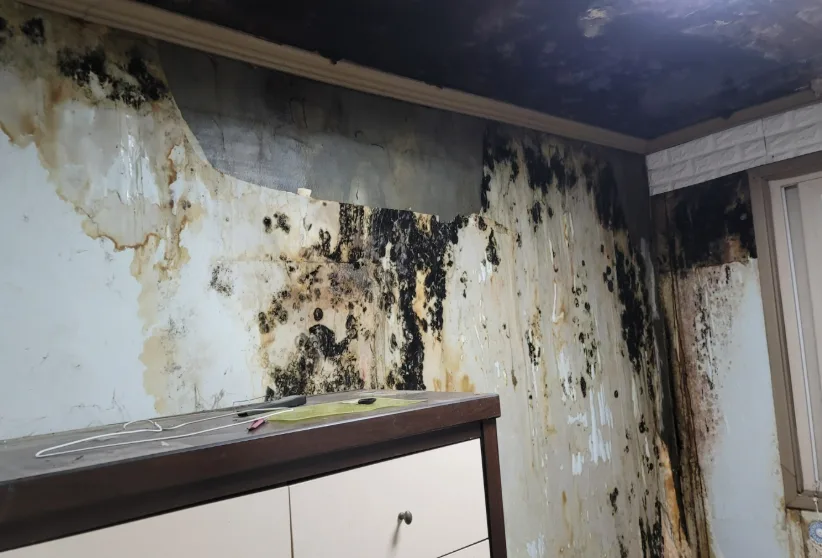
If you're dealing with a leak from your upstairs neighbor's apartment, your personal liability insurance, specifically the 'Residential Liability' rider, can cover the cost of repairs to your own home. Learn how to claim up to 200% of your insurance payout by understanding your duty to mitigate damages and leveraging legal precedents. This guide details effective strategies for maximizing your claim.
Can I get my home's repair costs covered by insurance after an upstairs leak?
Dealing with a leak from the apartment above can be incredibly stressful. In situations where old plumbing is the culprit, you might face not only compensation for your downstairs neighbor's damaged ceiling and furniture but also the cost of repairing your own faulty pipes. Many people mistakenly believe that the 'Residential Liability' rider only covers damage to others. However, under the principle of 'duty to mitigate damages' (similar to the US concept of preventing further loss), your insurance can cover the necessary costs to fix the source of the leak in your home. This is because addressing the issue promptly prevents further damage to your neighbor's property, thus avoiding larger future payouts. Indeed, US legal precedents support the idea that costs incurred to repair the source of a leak are considered necessary expenses to prevent and reduce further damages, making them eligible for insurance coverage.
What are the main risks of having a leak claim denied by insurance?
To avoid unexpected claim denials, it's crucial to be aware of potential risks and prepare accordingly. Firstly, there's the 'incorrect address risk.' If you move and fail to update your insurance policy with your new address, claims arising from your current residence might be rejected. Always ensure your policy reflects your current living situation. Secondly, consider the 'landlord liability risk.' If the leak originates from a rental property you own and is not occupied by you, standard residential liability coverage may not apply. In such cases, a separate 'Landlord Liability' rider is often necessary. Lastly, the 'lack of evidence risk' is significant. If you cannot clearly pinpoint the source of the leak or provide sufficient documentation of the repair process, the insurer may question the necessity of the work performed. Being aware of these potential pitfalls and gathering thorough evidence is key to a smoother claims process.
What are the best strategies to ensure you receive your full insurance payout?
To minimize disputes with your insurance company and secure the maximum possible payout, a robust evidence strategy is essential. First, 'document every stage with photos.' Capture images of your downstairs neighbor's damage, the measurement of your own water-damaged areas, and crucially, the specific leaking pipe once the flooring is removed during repairs. After the repair, document the replaced pipe and the finished surface. Second, 'obtain a strategic expert opinion.' Get a written statement from the repair company explicitly stating the urgency of the repair to prevent further damage. This professional assessment is vital. Finally, 'utilize proportional coverage for shared policies.' If multiple family members are insured under separate policies, you can often claim proportionally, potentially reducing your out-of-pocket deductible to zero. These steps will significantly aid in a smooth insurance claim process.
For more details, check the original source below.





