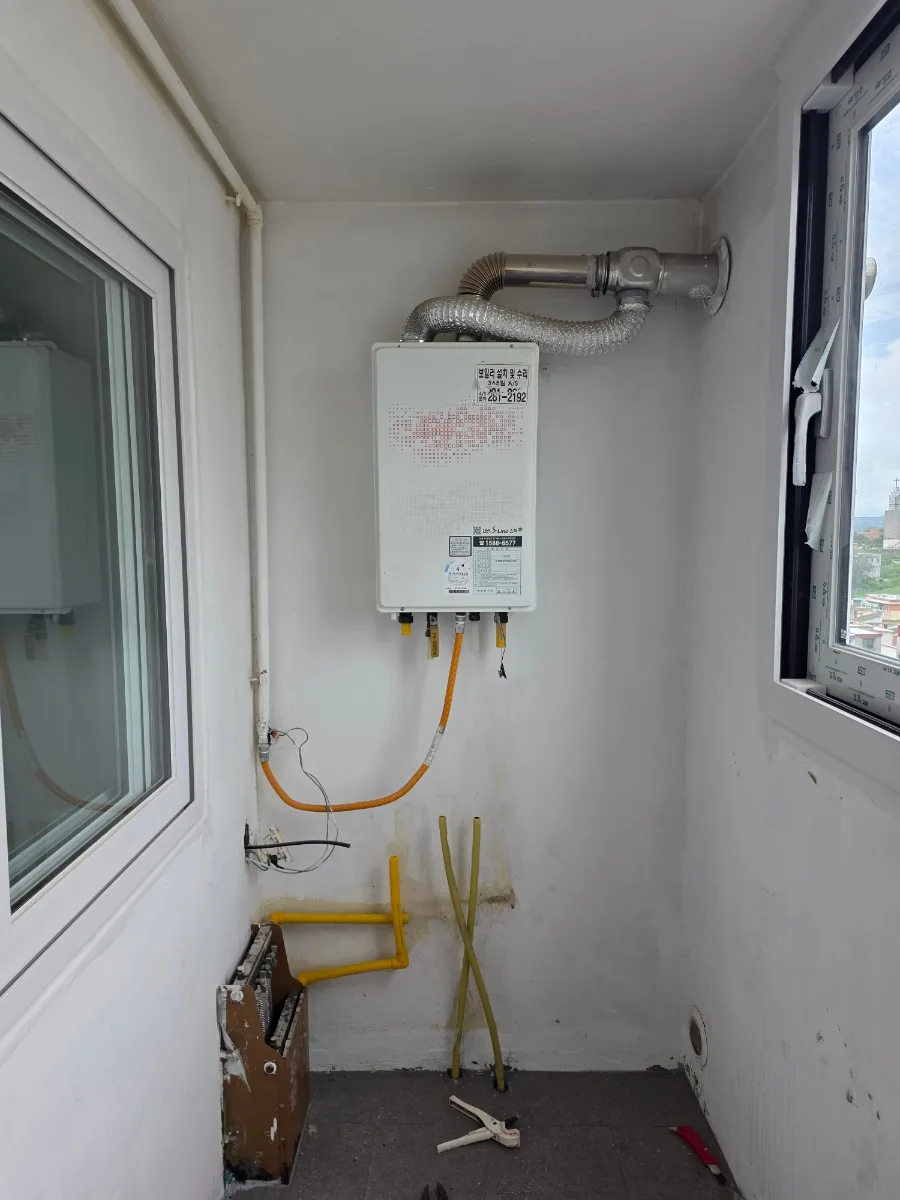
Planning a home renovation in 2026 and wondering about boiler replacement? This guide focuses on upgrading your home's heating system, specifically addressing efficiency and safety with modern boiler technology. We'll cover key considerations for homeowners undertaking renovations, ensuring your new boiler integrates seamlessly and provides reliable warmth.
When Should You Replace Your Boiler During a Renovation?
A home renovation is the perfect opportunity to assess and upgrade your heating system. Boilers, especially those over 10 years old, can pose safety risks due to potential issues like flue gas leaks, internal corrosion, or inadequate insulation leading to condensation and rust. Replacing an old boiler during a renovation allows for a cleaner installation, minimizing exposed piping and integrating the new unit with your updated wall finishes. This approach not only enhances safety and efficiency but also simplifies future maintenance. For instance, during a recent renovation project, homeowners opted to replace their decade-old boiler with a high-efficiency condensing model, ensuring a more comfortable and cost-effective heating solution that also looked aesthetically pleasing with the new interior design.
Key Considerations for High-Efficiency Boiler Installation
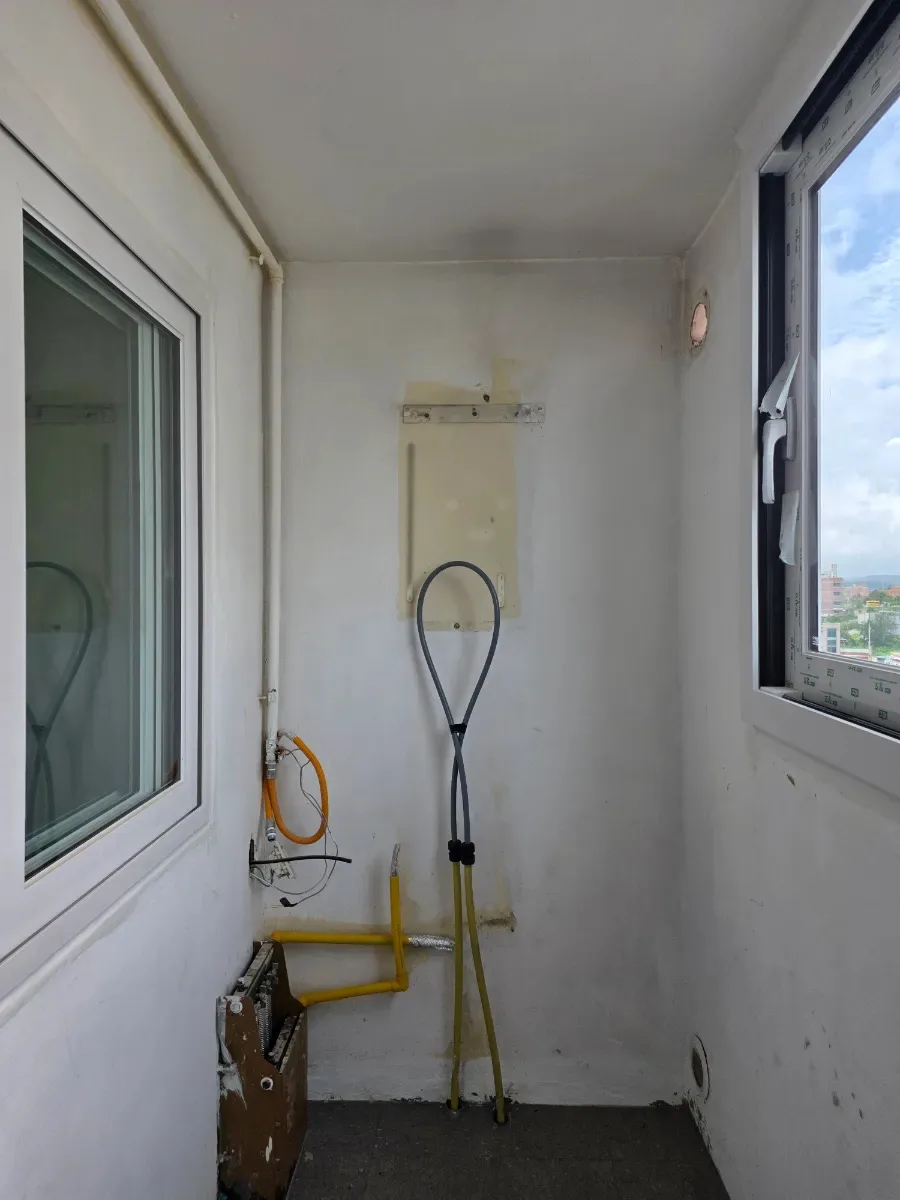
Related Articles
High-efficiency condensing boilers offer significant energy savings, but their installation requires specific attention to detail. Ensure your installation includes a dedicated condensate drain line, as these units produce extra water during operation. A robust, double-walled vent pipe is crucial for safety and proper exhaust. Always use a certified, high-quality gas connector hose, similar to those used for natural gas stoves, to prevent leaks. Furthermore, using color-coded insulation for your heating and hot water pipes, often referred to as 'KS color insulation' in some regions, greatly improves system efficiency and simplifies maintenance. This color-coding helps technicians quickly identify different lines, reducing the chance of errors and ensuring optimal insulation for both heating and domestic hot water pipes.
What Are the Benefits of Color-Coded Pipe Insulation?
Color-coded pipe insulation plays a vital role in optimizing your home's heating and plumbing systems. Certified insulation materials offer excellent thermal and moisture resistance, ensuring reliable performance even in challenging conditions. Their primary advantage is clear visual identification: different colors typically denote hot water supply, cold water intake, and heating return lines. This clear distinction significantly minimizes the risk of installation errors and makes troubleshooting or future repairs much more straightforward for technicians. Beyond identification, the insulation itself reduces heat loss from hot water pipes and prevents heat gain in cold water lines, leading to improved energy efficiency and lower utility bills. For homeowners undertaking renovations, this attention to detail in pipe insulation contributes to a more polished and professionally finished look.
Ensuring a Safe and High-Quality Boiler Installation
A truly professional boiler installation goes beyond simply mounting a new unit. It encompasses a comprehensive approach that prioritizes safety, efficiency, and longevity. This includes meticulously securing all gas connections to prevent leaks, organizing and insulating all water and heating pipes effectively, and ensuring proper ventilation. For renovations, it's essential that the installation accounts for the new layout and finishes. Choosing an installation company where the owner is directly involved in overseeing and performing the work can provide a higher level of accountability and quality assurance. Look for contractors who emphasize these detailed aspects of the installation process, ensuring your new boiler system is not only functional but also safe and built to last.
For more details, check the original source below.





