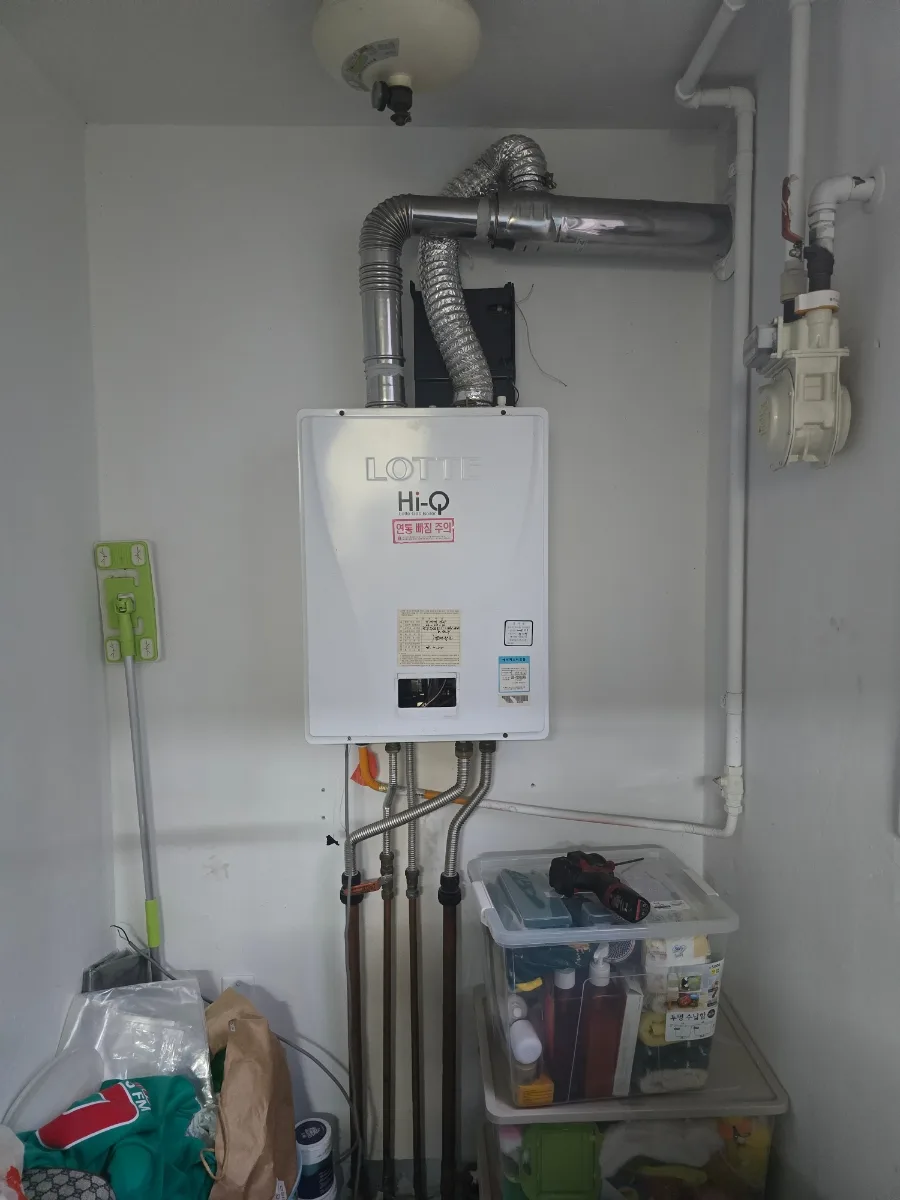
Replacing an old boiler in your US home with a high-efficiency model, like those from Daesung (available through specialized HVAC installers), can significantly enhance safety and heating efficiency. This guide covers the risks of aging boilers, the benefits of modern units, and the importance of proper installation and testing, drawing parallels to Korean home maintenance practices.
Why Replacing an Old Boiler is Crucial in 2026
Boilers that are 15 years or older, such as the 2008 models sometimes found in older homes, often suffer from significantly reduced efficiency, increasing energy costs. More critically, they pose safety risks including corrosion, leaks, and potential gas leaks. Modern safety standards and building codes often require upgrades to ensure safe operation. In many US regions, older boiler systems may not meet current energy efficiency mandates, leading to higher utility bills. Addressing these issues proactively can prevent costly emergency repairs and potential safety hazards, ensuring a reliable and efficient heating system for your home.
What Improvements Do Modern Boilers Offer?
Related Articles
Modern high-efficiency gas boilers, like those from Daesung (often found through specialized HVAC contractors), meet the latest energy efficiency standards, contributing to significant savings on your heating bills. They also feature advanced low-noise designs, creating a quieter and more comfortable living environment compared to older units. Crucially, these new boilers are equipped with enhanced safety features, providing greater peace of mind. When selecting a replacement, it's vital to look beyond just the price and consider the energy efficiency rating (like ENERGY STAR certification), noise levels, and safety certifications. Investing in a technologically advanced unit can also lead to lower long-term maintenance costs.
Why is Pipe Inspection Crucial During Boiler Replacement?
After removing an old boiler, a thorough inspection of the connected piping system is essential. Aging pipes can become corroded or accumulate sediment, reducing heating efficiency and potentially causing leaks. While many existing pipe systems may be in good condition, any worn sections should be reinforced or replaced during the installation process. Flushing the pipes to remove accumulated sludge can further improve heating performance. Ensuring the integrity of the piping system during a boiler replacement is vital for both safe operation and optimal heating efficiency, mirroring the meticulous approach taken in Korean home maintenance.
How is Performance Tested After Boiler Replacement?
Once the new boiler is installed, comprehensive testing is conducted to simulate real-world usage. First, hot water supply is checked to ensure it reaches the desired temperature quickly and consistently. The heating system is then activated to verify that rooms are adequately warmed and that water circulates properly. Additionally, a thorough inspection of the boiler unit, all connected pipes, and the venting system is performed to detect any gas leaks or water seepage. Using specialized detectors can confirm the absence of gas leaks. Only after confirming that all functions are operating correctly and safely is the installation finalized, providing homeowners with confidence in their new heating system.
Ensure safe and efficient heating with a professional boiler upgrade.





