Leveraging AI agents can significantly boost efficiency in welfare services, including the application process for 2026 youth grants. These AI assistants can automate repetitive tasks like document processing, recipient identification, and grant notifications, thereby reducing the workload for social workers.
What Are AI Agents and Why Are They Crucial for Welfare Services?
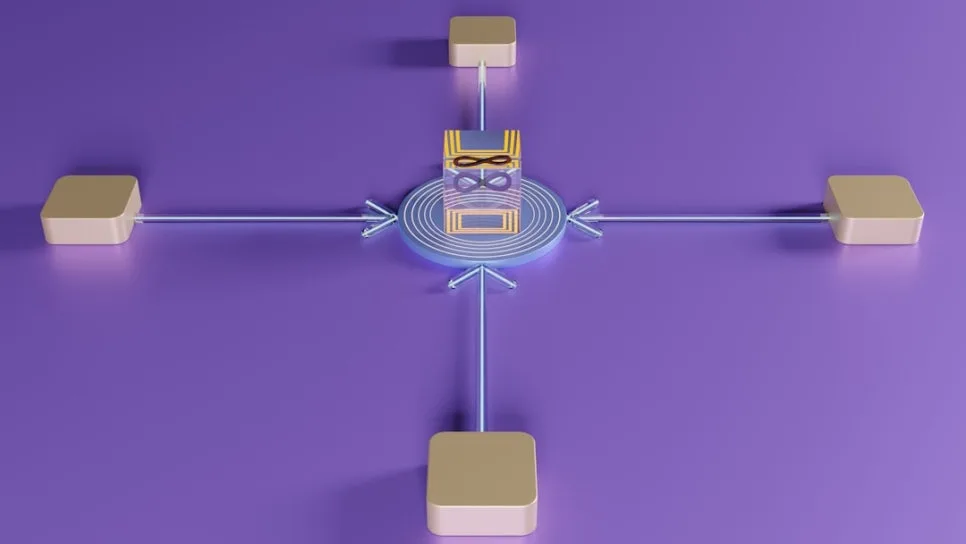
AI agents, often referred to as 'Workspace agents,' are autonomous AI employees capable of performing complex tasks beyond simple Q&A. They can independently manage functions like sending emails, updating spreadsheets, and coordinating schedules. For instance, they can automatically generate and send grant application notices to eligible youth. Platforms like Google's Gemini Enterprise offer a 'semantic layer' that enables AI to understand the full context of tasks by integrating with various applications such as Gmail, Calendar, and Sheets. This capability is vital for addressing chronic understaffing in welfare organizations and allowing social workers to focus on more critical client interactions. One social worker reported saving an average of 3 hours per day after implementing Workspace agents.
Real-World Applications of AI Agents in Welfare Services
In my own experience managing a social welfare center, testing Workspace agents revealed significant improvements in three key areas. First, 'Automated Identification of Youth Grant Applicants': The AI automatically analyzes diverse eligibility criteria—such as income, residency, and age—specific to different regions like Seoul, Seongnam, and Goyang. It identifies eligible youth for programs like 'Youth Employment Support' and 'Youth Rent Assistance,' leading to over 120 potential applicants identified monthly, more than double the previous rate, with an error rate below 2%. Second, 'Automated Pre-Notification for Childbirth Grants': By linking with resident registration data, the AI identifies new parents in real-time and simultaneously sends notifications via SMS, email, and KakaoTalk for relevant grants like childbirth subsidies, parental benefits, and the 'First Meeting Voucher.' This minimizes missed application deadlines. Third, 'Automated Generation of Counseling Records': The AI records and summarizes in-person counseling sessions, automatically inputting the information into the Ministry of Health and Welfare's standard format. This drastically reduced the time spent on record-keeping, saving an average of 2.5 hours per day.
Preparing for AI Agent Implementation in Welfare Organizations
For welfare organizations considering AI agent adoption, starting with small-scale testing is advisable before a full system overhaul. Initially, utilize free AI tools like Gemini Enterprise, Claude, or ChatGPT Workspace CLI to practice automating specific tasks. For example, you could start with a simple command like, 'Send the 2026 Youth Grant application notice to the 30 youths who became eligible this month.' Understanding how AI agents integrate multiple applications and grasp task context is crucial during this phase. Data privacy is paramount; therefore, alongside AI implementation, it's essential to establish robust data protection measures, such as utilizing security solutions like Model Armor to safeguard sensitive personal information. This approach ensures compliance and builds trust with the individuals the welfare services aim to support.
For more details, check the original source below.