Dealing with apartment water leaks, whether from ceilings or toilets, requires swift action. In 2026, understanding the causes, repair processes, and how to leverage homeowners insurance can significantly reduce stress and costs for US residents. Promptly addressing leaks prevents further damage and potential mold growth.
What Causes Apartment Ceiling Leaks and How Are They Diagnosed?
Receiving a call about water damage from a downstairs neighbor can be alarming. Many homeowners might not realize they have a leak until it's significant, especially if their water usage has increased unnoticed. If your water meter is constantly running, it's a clear sign of an internal leak. In older buildings, plumbing issues are more common, potentially leading to sewage backups that cause extensive moisture damage, sometimes requiring full renovations. To pinpoint the exact source, professionals use specialized tools like thermal imaging cameras and pipe pressure testing equipment. These technologies help identify hidden leaks that aren't visible to the naked eye, ensuring accurate repairs and preventing unnecessary demolition.
Why Immediate Action is Crucial for Toilet Leaks

Related Articles
Even minor leaks around the base of a toilet can escalate quickly if not addressed. Over time, persistent moisture can damage flooring, promote mold growth, and even compromise the structural integrity of your bathroom. It's essential to have a professional inspect and repair any suspected toilet leaks promptly. This often involves removing the toilet to inspect the seal and flange, replacing them if necessary, and ensuring a watertight connection. For older homes, it's also wise to have your heating system's pipes checked, as insulation issues can lead to condensation and water damage, potentially causing floor warping or mold.
What Are the Steps for Apartment Leak Repair and Restoration?
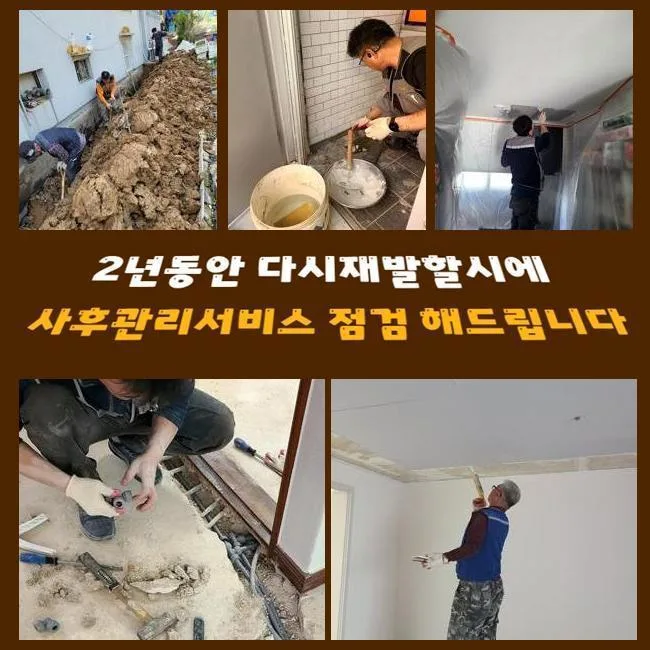
Repairing apartment leaks involves several key stages to ensure a thorough and lasting fix. Initially, protective measures like plastic sheeting are used to shield floors and furniture from debris. The process then moves to excavating and removing old, damaged pipes, replacing them with durable new ones. Disposal of construction waste is also a factor. After pipe replacement, a preliminary waterproofing treatment is applied, followed by a leak detection test using specialized gas and detectors to confirm the integrity of the new installation. Applying pressure to the pipes and verifying they hold it is a fundamental step in leak diagnosis. Finally, the area is restored with new ceiling materials, trim, and tiles, with careful attention paid to any moisture damage to subfloors or adhesive surfaces.
How Can Homeowners Insurance Help with Apartment Leak Costs?
If you have a homeowners insurance policy, you may be able to significantly reduce the out-of-pocket expenses associated with apartment leak repairs. Standard homeowners insurance typically covers sudden and accidental damage from water leaks, such as burst pipes or appliance malfunctions. To process a claim, you'll need documentation like photos and repair invoices. It's crucial to have a reputable professional perform the diagnosis and repairs to ensure the claim is processed smoothly. The specifics of your coverage can vary, so it's always best to contact your insurance provider directly to understand the exact scope of your policy regarding water damage. This is not financial advice. Consult a licensed financial advisor.
Addressing apartment leaks, especially in 2026, hinges on prompt, accurate diagnosis and understanding your insurance options. Don't ignore small issues; they can lead to major problems.