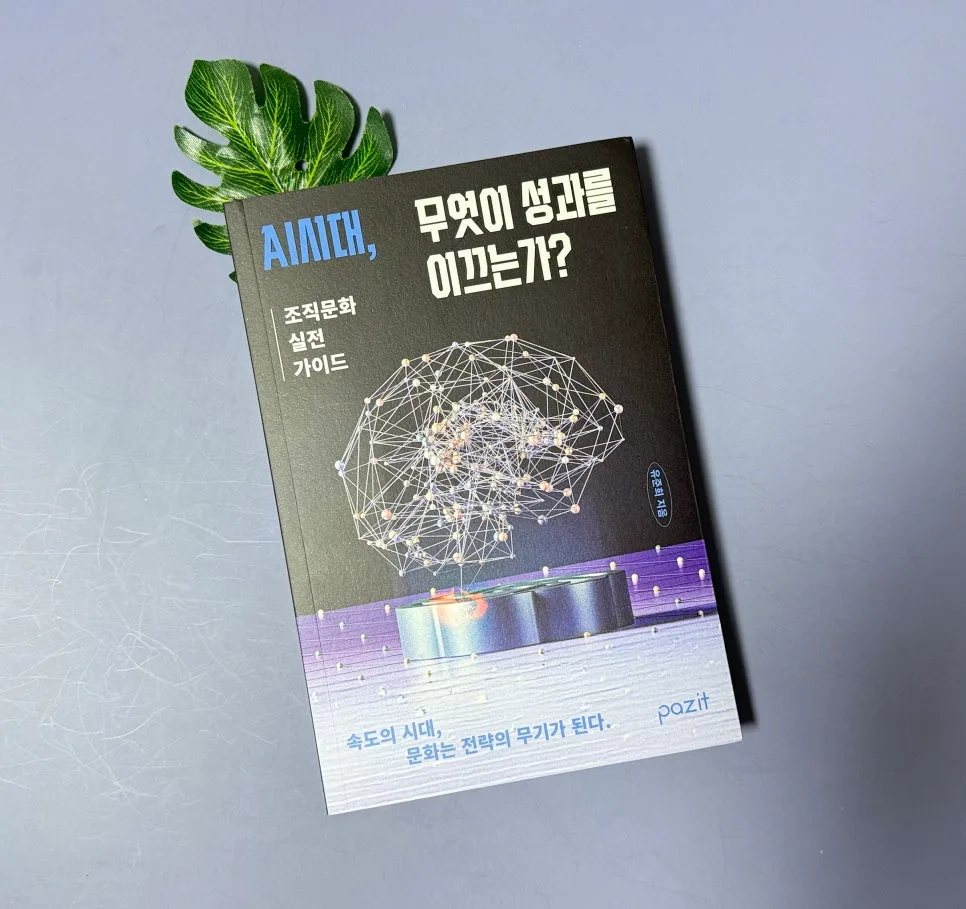
In the AI era, the key to unlocking success isn't the technology itself, but the 'organizational culture' that enables its effective use. Think of AI as a powerful engine; it's your company's culture that acts as the clutch, translating that raw power into tangible results. Without the right cultural framework, even the most advanced AI tools will struggle to drive sustained performance.
Why 'How We Work' Matters More Than Tech in the AI Era
While AI technologies promise to boost efficiency, simply adopting them won't guarantee long-term success. The real game-changer in the AI era lies in 'how' we leverage these tools and the 'way' we approach our work. In the past, information was king. Now, the ability to define problems based on that information and execute solutions is paramount. AI accelerates this shift, creating an environment where the role of the pure expert diminishes, and the importance of the 'doer' or 'executor' grows. Therefore, redefining our work methodologies in sync with technological advancements and building a supportive organizational culture is essential. For instance, Nike's decision to cut 775 jobs due to AI adoption highlights how technology enhances productivity but also necessitates adaptation in the workforce. Both individuals and organizations need new strategies to navigate these changes.
AI is a powerful engine, but organizational culture is the clutch that connects it to performance. Real-world experience suggests that changes in 'how we work' often have a greater impact on results than technology adoption alone.
What's the New Formula for Success in the AI Era?
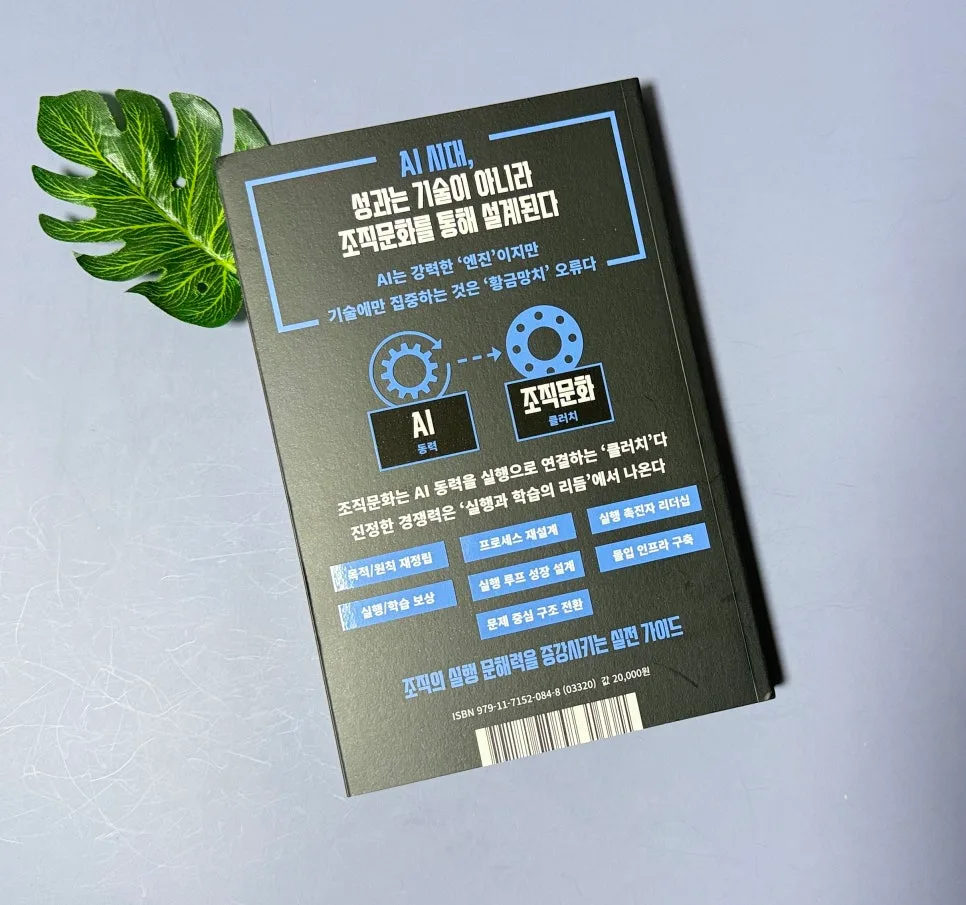
Success in the AI era transcends mere output volume or efficiency metrics. It's about 'Augmentation' – expanding human capabilities – and redefining 'performance' itself. This involves a shift in goal-setting. Instead of purely outcome-focused objectives, the emphasis is now on designing 'context-aware goals' and 'execution loops' that foster learning and growth through the process. Performance is thus structured by 'execution literacy' and 'learning-in-action.' Leaders must cultivate this rhythm of execution and learning, creating an environment where team members can make independent judgments and take action. For example, redesigning workflows with AI automation tools and supporting employees in collaborating with AI to create new value is central to this new performance formula.
Why Should Organizational Culture Take Precedence Over Technology in the AI Era?
AI can be likened to a powerful 'golden hammer,' but its impact depends entirely on how it's wielded. Maximizing AI's potential hinges on 'organizational culture,' which acts as the crucial clutch. Technology alone cannot achieve long-term success. Instead, a culture that amplifies AI's effects and balances short-term gains with long-term vision is necessary. This means fostering a culture that respects intuition and insight, and embraces 'learning how to learn.' For instance, creating an environment where employees can explore new ideas and experiment using AI can transform the technology from a mere tool into a driver of organizational innovation. True AI-era success is only possible when technology and organizational culture evolve together.
When adopting AI technologies, resistance from employees or difficulties in utilizing the technology are common challenges.
How to Build an Organizational Culture for the AI Era
The foundation for building an AI-ready culture lies in clearly defining the organization's 'purpose' and 'working principles.' Based on these fundamentals, every element of the organization – including workflows, leadership styles, performance evaluation, reward systems, and growth plans – must be re-engineered. This involves establishing a sustainable organizational development system that promotes the 'co-evolution' of AI and humans. For example, a company might implement a 'AI Ethics Charter' that outlines principles for responsible AI use, alongside training programs on AI tools and data interpretation. This holistic approach ensures that technology serves the organization's core values and strategic objectives.
What Should Be Considered During AI-Era Organizational Culture Development?
A critical pitfall to avoid is focusing solely on technology adoption while neglecting people and culture. It's vital to provide education and support to help employees overcome any fear or apprehension towards AI. Addressing concerns about job displacement due to AI and implementing fair, transparent evaluation and reward systems are also crucial. For instance, companies can introduce 'AI collaboration bonuses' that recognize employees who effectively integrate AI into their work, or offer reskilling programs for roles impacted by automation. This proactive approach fosters trust and encourages a positive embrace of AI.
For more details, check the original source below.