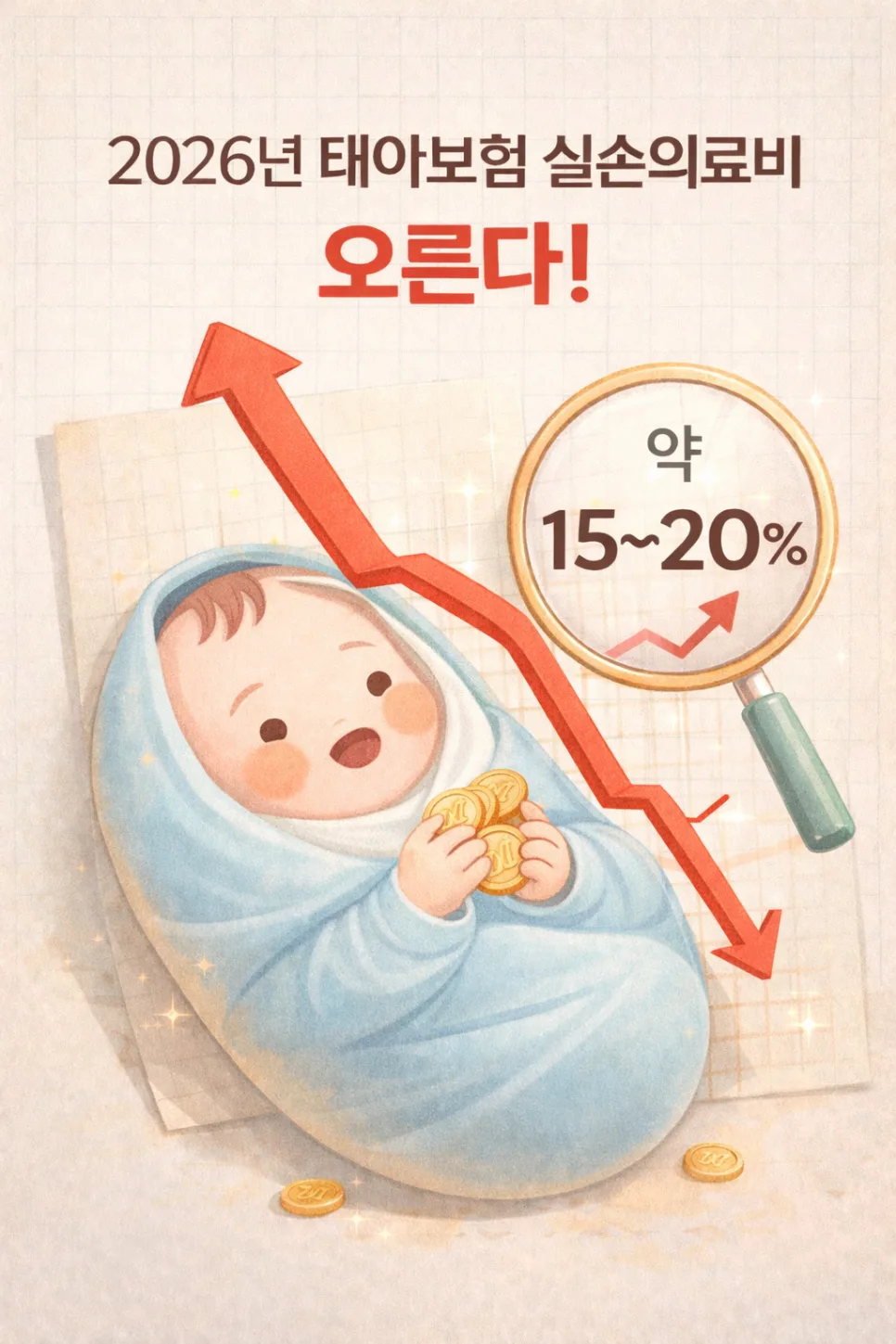
In 2026, prenatal and child-specific medical expense insurance in Korea has seen significant cost increases, with some insurers experiencing a perceived rise of 15-20%. This surge is attributed to factors like the reflection of loss ratios from the 4th generation of comprehensive medical insurance, rising healthcare costs, and the unique risk profile of prenatal coverage.
Why Are Korean Prenatal Insurance Costs Rising in 2026?
Several factors are contributing to the noticeable increase in prenatal and child medical expense insurance premiums in Korea for 2026. Firstly, Korean insurance policies, particularly those covering medical expenses, are often renewed annually. Historically high claims from children and adolescents, who tend to visit doctors more frequently, directly impact the loss ratios and subsequent premium adjustments. Secondly, the general cost of healthcare, both for covered and non-covered services, has steadily climbed over the past few years, inevitably affecting insurance payouts and premiums. Lastly, 'prenatal insurance,' which is purchased before a child is born, presents a higher perceived risk for insurance companies, leading them to adopt a more conservative approach in their calculations. These combined elements are pushing premium costs upward.
What is the Actual Perceived Cost Increase for Korean Prenatal Insurance in 2026?

Based on data from late 2025 and early 2026, many insurance providers in Korea are showing double-digit percentage increases for prenatal and child medical expense coverage compared to the previous year. While the exact figures vary depending on the insurer, the child's gender, and the specific enrollment period, it's accurate to say that many policyholders are experiencing a perceived premium hike in the range of 15-20%. It's crucial to note that these increases are not uniform across all companies or all policyholders. Individual policy reviews are essential to understand the specific impact on your coverage.
How Can You Reduce Premium Costs for Korean Prenatal Insurance in 2026?
Rising premiums don't mean you should postpone or abandon your insurance plans. The most critical aspect isn't necessarily 'when' you enroll, but 'how' the policy is structured. While the core medical expense coverage is standardized, significant premium differences arise from the bundled child-specific comprehensive coverage. By carefully reviewing and removing unnecessary riders or additional benefits, you can effectively offset the increased cost of the core medical expense insurance. Furthermore, premium costs can differ substantially between insurance companies and specific plans, even for similar coverage. Therefore, thorough comparison is not just recommended—it's essential for securing a policy that fits your budget and needs.
What Should You Watch Out For When Purchasing Korean Prenatal Insurance in 2026?
When considering prenatal insurance in Korea for 2026, two key points warrant attention. Firstly, prioritize a 'well-designed' policy over simply enrolling 'early.' While premium increases are a reality due to historical data and rising medical costs, it's inaccurate to assume a blanket 20% hike across the board. Focus on building a policy with essential coverage at a reasonable premium that you can maintain long-term. Secondly, think of prenatal insurance not just as a 'cheap' policy, but as one that remains affordable and manageable over an extended period. Long-term sustainability is key. Since the optimal choice can vary based on individual circumstances, consulting with an insurance professional is highly recommended for a prudent decision.
For more details, check the original source below.





