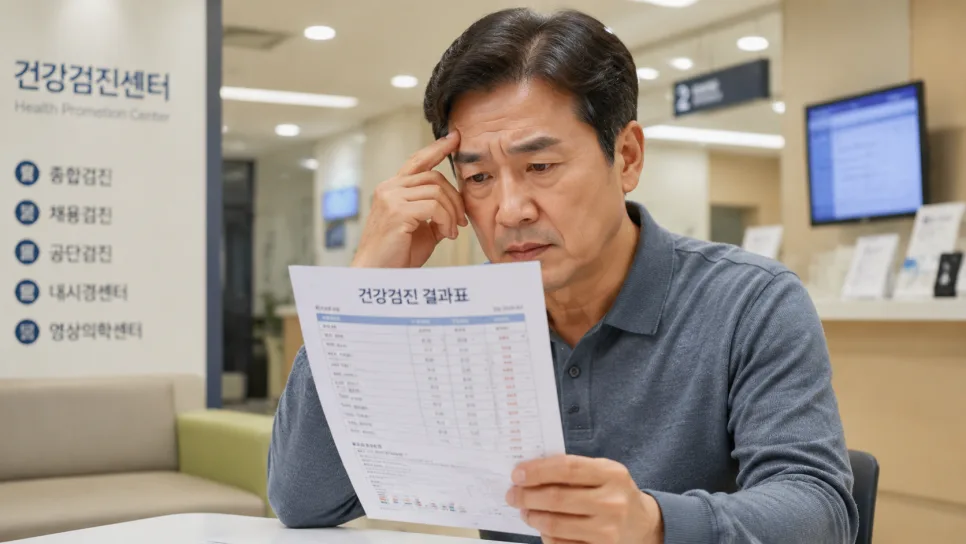
Many people are denied insurance coverage even when their health check-up results appear normal. Even without a major illness, a minor finding from a health screening can make obtaining insurance difficult. If you're planning to apply for insurance in 2026, it's crucial to strategically plan the order of your health check-ups.
How Does the Order of Health Check-ups Affect Insurance Applications?

When applying for insurance, you have a duty to truthfully disclose your current health status. Findings from health check-ups, whether positive or negative, are recorded and considered by insurance companies during the underwriting process. Even findings that aren't medically significant can be classified by insurers as requiring 'further investigation' or as 'under observation,' potentially leading to insurance application denial. Therefore, the timing of your check-up—whether it's before or after applying for insurance—critically impacts the outcome. In my experience, I've seen numerous cases where an issue that would have been easily approved if a check-up was done *after* insurance application was denied because the check-up was completed *before*.
Which Health Screenings Require Caution Before Insurance Application?
If you're planning to apply for insurance, there are specific health screening items that require extra caution. These screenings are more likely to directly influence an insurer's underwriting decisions. For example, thyroid ultrasounds commonly detect thyroid nodules, found in about 30-50% of adults, most of which are benign. However, a recorded nodule might prompt the insurer to request further test results or apply a rider (exclusion) to thyroid-related coverage. Similarly, if a small polyp is removed during a gastrointestinal endoscopy (gastroscopy or colonoscopy), this 'polyp removal' history can lead to certain coverage being excluded for a period, typically 1 to 5 years. Benign findings like cysts or fibroids in breast or uterine ultrasounds, while often requiring only routine follow-up medically, can become reasons for coverage exclusions or increased premiums during insurance underwriting.
What's the Strategic Approach to Health Check-ups for Insurance Applications?
If you're planning to apply for insurance, the wisest strategy is to complete the application process first, then proceed with any detailed medical screenings. If you've already undergone a health check-up, it's important to consult with an insurance agent, bringing your results to understand what coverage options are available. Insurance companies have different underwriting criteria, so a denial from one insurer doesn't necessarily mean rejection from all. Standard government-provided health screenings (like the National Health Screening Program) often have minimal impact on insurance applications, so carefully managing the timing of comprehensive or specialized check-ups is key. While health check-ups are essential for managing your well-being, remember that the sequence of these check-ups relative to your insurance application can significantly alter your coverage potential.
How to Handle Insurance Application Denials Due to Health Check-up Results?
If your insurance application is denied or comes with exclusions due to your health check-up results, don't panic. It's essential to compare the underwriting standards of various insurance companies. In my experience, some insurers have been more lenient with conditions like thyroid nodules or minor polyp removal histories, approving applications under more favorable terms compared to others who outright denied them. In such situations, work closely with an insurance agent to find a policy that best suits your health status and screening results. You can also consider requesting a re-evaluation later if your health improves or you have new medical results. Given the wide variation in individual health conditions and insurer policies, thorough consultation with a professional is always recommended.
Discover more insurance application strategies in the original article.





