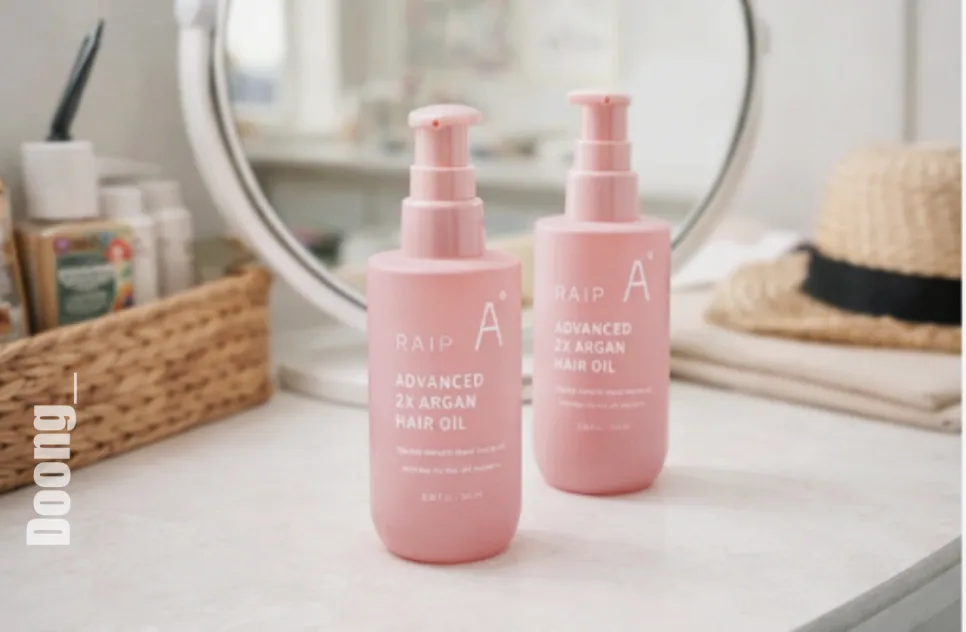
Does expensive skincare actually work better than more affordable options? The truth is, a higher price tag doesn't automatically guarantee superior results. The effectiveness of any skincare product, regardless of cost, hinges on its specific ingredients, their concentrations, and how well they suit your individual skin type and concerns. Smart consumers prioritize ingredient analysis and personal skin needs over brand prestige or price alone.
Do Expensive Skincare Products Deliver Value for Money?

High-end skincare often uses rare or specialized ingredients to differentiate itself. While these ingredients can potentially offer benefits, not all luxury products deliver exceptional results. In my experience testing various brands, I've found that a specific expensive ingredient doesn't guarantee the same outcome for everyone. For instance, a highly concentrated Vitamin C serum might brighten skin for some, but it can be irritating for those with sensitive skin. It's crucial to scrutinize the ingredient list and determine if the components align with your skin's condition. Instead of being swayed by brand recognition or marketing hype, focus on the actual formulation and its proven efficacy.
What Factors Influence Skincare Prices, and How Do They Relate to Efficacy?
A cosmetic product's price is influenced by a complex mix of factors beyond just ingredient rarity. These include extensive research and development (R&D) investment, brand positioning, marketing campaigns, and even sophisticated packaging. Luxury brands often leverage these elements to cultivate an exclusive image and build consumer trust. However, this premium pricing doesn't always directly correlate with a product's performance. I've personally encountered many mid-range or even drugstore products that perform just as well, if not better, than their high-priced counterparts. For example, affordable moisturizers rich in essential hydrating ingredients like hyaluronic acid or ceramides can offer comparable, if not superior, hydration to some luxury creams. Therefore, it's wiser to analyze the full ingredient list to ensure beneficial components are present in effective concentrations, rather than assuming higher cost equals better results.
What's the Best Approach for Effective Skincare Use?
Whether you're using an expensive serum or a budget-friendly cleanser, maximizing its effectiveness relies on consistent application and a well-tailored routine. Skincare results are rarely immediate; visible improvements typically emerge after consistent use over weeks or months, aligning with the skin's natural renewal cycle. Dermatologists emphasize the importance of a personalized skincare regimen that considers your unique skin type, concerns, and lifestyle. For example, individuals with oily skin should opt for lightweight, non-comedogenic formulas, while those with dry skin need richer, more emollient products. It's also wise to perform a patch test before fully integrating a new product into your routine to check for any adverse reactions. Consistency and proper application are key to achieving satisfactory results from any skincare product.
How Can You Choose Cost-Effective Skincare Products?
Ultimately, it's inaccurate to claim that expensive skincare is always more effective. Consumers need the discernment to select products that align with their skin's specific needs and budget. The goal is to find products that deliver essential nutrients and effective ingredients at a reasonable price point. Utilizing cosmetic ingredient analysis apps or websites can be incredibly helpful for scrutinizing ingredient lists. Pay close attention to ingredients known for supporting the skin barrier, such as ceramides, panthenol, and niacinamide, as well as antioxidants like Vitamin C and E. Prioritizing ingredient quality and skin compatibility over price will lead to more satisfying and cost-effective skincare outcomes.
What Are Common Mistakes When Buying Expensive Skincare?
Many consumers fall into the trap of believing 'expensive equals effective' without critical evaluation, often leading to purchasing products that don't suit them or setting unrealistic expectations. A primary mistake is buying based solely on brand name or price, neglecting to analyze the ingredient list. Even the most premium ingredients can cause breakouts or irritation if they're not compatible with your skin. Another common error is expecting instant results; skincare benefits often take several weeks or even months of consistent use to become apparent. Lastly, blindly following trends without understanding your own skin type or concerns can be detrimental. For instance, someone with dry skin using an oil-free formula might exacerbate dryness. Avoiding these pitfalls and focusing on personalized, ingredient-conscious choices is crucial for effective and economical skincare.
For detailed ingredient analysis and product recommendations, refer to the original source.