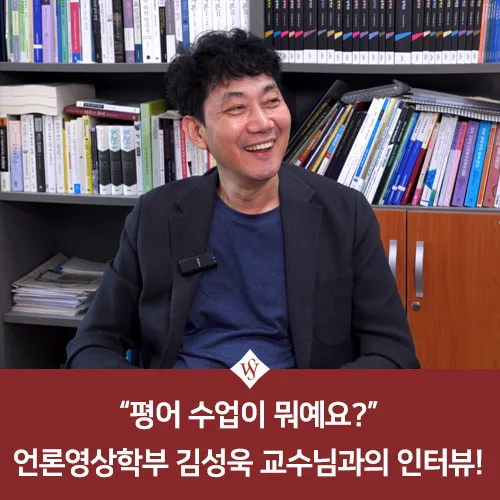
A 'Peong-eo' class, or 'equal language' class, is an educational approach where professors and students communicate on an equal footing, fostering open dialogue and mutual respect. Professor Kim Sung-wook's experience highlights how this method can enhance student engagement and create a more comfortable learning environment, moving beyond traditional Korean honorifics.
What is a 'Peong-eo' Class and Why Start It?
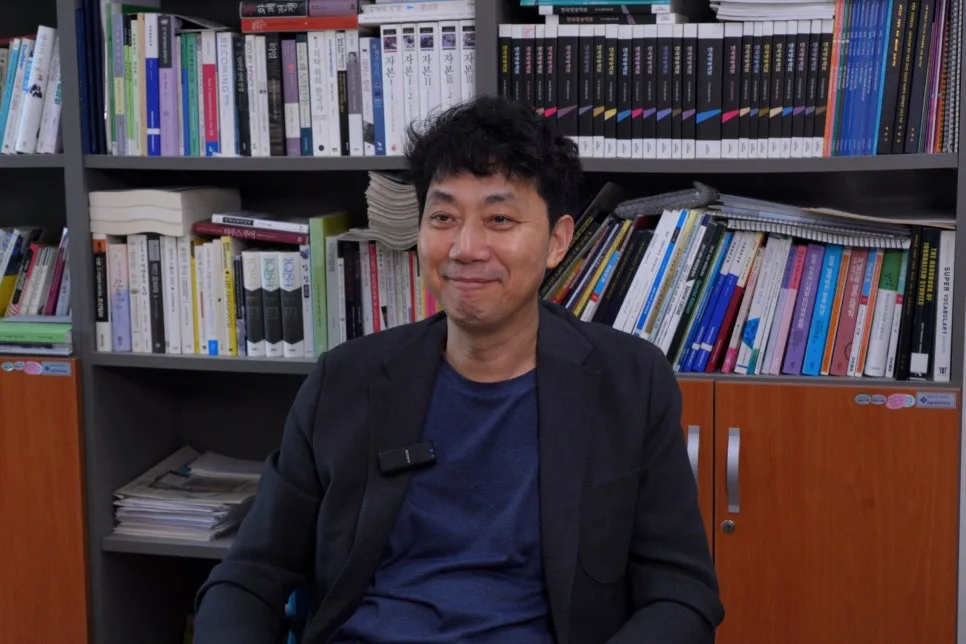
In Korea's deeply ingrained honorific culture, communication can sometimes feel formal and distant. Professor Kim Sung-wook, an educator at Seoul Women's University, recognized this potential barrier and experimented with a 'Peong-eo' (평어) class, which translates to 'equal language' or 'casual speech' class. This isn't about students using informal 'banmal' (반말) disrespectfully, but rather about establishing a foundation of linguistic equality and mutual respect. Professor Kim's goal was to lower communication barriers, believing that a more relaxed approach could lead to richer discussions and a stronger student-professor connection, a concept gaining traction in discussions about Korean work culture and education reform.
What Were the Expectations for 'Peong-eo' Classes, and What Was the Reality?
Professor Kim anticipated that by leveling the linguistic playing field, 'Peong-eo' classes would encourage more open dialogue and active participation from students. He also expected a boost in rapport between himself and his students, leading to a more positive and productive learning atmosphere. In practice, he observed a noticeable shift towards more comfortable interactions. While the semester was primarily lecture-based, making dramatic changes difficult to pinpoint, he felt a distinct increase in students' willingness to ask questions and engage in light debates. This shift in psychological distance is a key benefit, often discussed in the context of modernizing Korean education systems and improving the overall student experience.
What are the Pros and Cons of Conducting 'Peong-eo' Classes?
The most significant advantage of the 'Peong-eo' approach is undoubtedly the enhanced sense of connection and the freedom of expression it allows between professor and students. This open atmosphere can motivate students to ask more questions and share their perspectives more readily. However, Professor Kim also acknowledged potential drawbacks, expressing concern that some students might feel uncomfortable using casual language, even in a structured environment. While he clearly explained the intent at the start of the semester, he felt apologetic if any students experienced discomfort. This highlights that while 'Peong-eo' classes aim for inclusivity, individual comfort levels and cultural backgrounds can lead to varied reactions, a nuance important in understanding Korean education dynamics.
How Can 'Peong-eo' Classes Evolve in the Future?
Professor Kim plans to continue offering 'Peong-eo' classes in the upcoming semester, with a specific focus on small-group, discussion-based formats. This will allow him to further leverage the benefits of casual communication and foster an environment where students can learn and grow together through shared dialogue. The 'Peong-eo' class represents more than just a change in language; it's an attempt to embody the values of mutual respect and equality within the educational setting. As this approach gains more attention, it holds the potential to contribute to a healthier communication culture in Korean academia and beyond, impacting broader discussions on Korean work culture and productivity. Future iterations will likely involve actively seeking student feedback to refine the experience.
For more details, check the original source below.