In Taiwan on day 124, we're sharing a special recipe for aged kimchi jjigae (kimchi stew) and a creative way to prepare Spam. This meal, made with cherished ingredients, brought a comforting taste of home to our foreign kitchen, complemented by the unique sight of banyan trees and the children's adjustment to life abroad.
How to Make Aged Kimchi Jjigae in Taiwan?
On a weekend morning, feeling a slight chill in my son's health, I decided to make a warm, home-cooked meal. I used leftover thinly sliced pork belly and aged kimchi from the freezer to prepare a flavorful kimchi jjigae. After rendering the fat from the pork belly and adding beef bone broth concentrate and water, I added the last of my precious aged kimchi. It's a shame that such a staple ingredient like aged kimchi is hard to find here in Taiwan, but I reverently added it to the pot. To enhance the spicy kick, I included chopped green onions, onions, garlic, ginger, mushrooms, and two Taiwanese chili peppers. The finished jjigae was perfectly balanced, with just the right amount of spice and minimal greasiness. Although I don't typically prefer pork belly kimchi jjigae, my family thoroughly enjoyed it, which filled me with satisfaction. When craving the authentic flavors of Korea in Taiwan, aged kimchi proves to be a versatile ingredient, easily transformed into various stews or soups with additions like bean sprouts, squid, fish cakes, tofu, or tuna.
What Can Substitute for Spam in Taiwan?
Related Articles
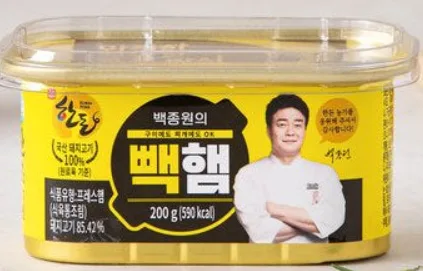
My son really wanted Spam, but it's surprisingly difficult to find in Taiwan. I looked for alternatives like Rich Ham but couldn't find it. However, in the Korean grocery section, I discovered 'Baek Ham' (백햄), recommended by Korean celebrity chef Baek Jong-won. For dinner, I purchased this Baek Ham, blanched it in hot water to remove impurities, and then pan-fried it. Although I try to limit processed meats for health reasons, my son was thrilled to have it all to himself and devoured it quickly. Preparing special meals like this for him occasionally creates wonderful memories. Life in Taiwan hasn't been entirely smooth; my son has found it challenging to adjust to school, struggling with the language barrier and unfamiliar food. However, I continue to encourage him, assuring him he'll get used to it soon.
The Banyan Tree: An Icon of Taiwan's Streets
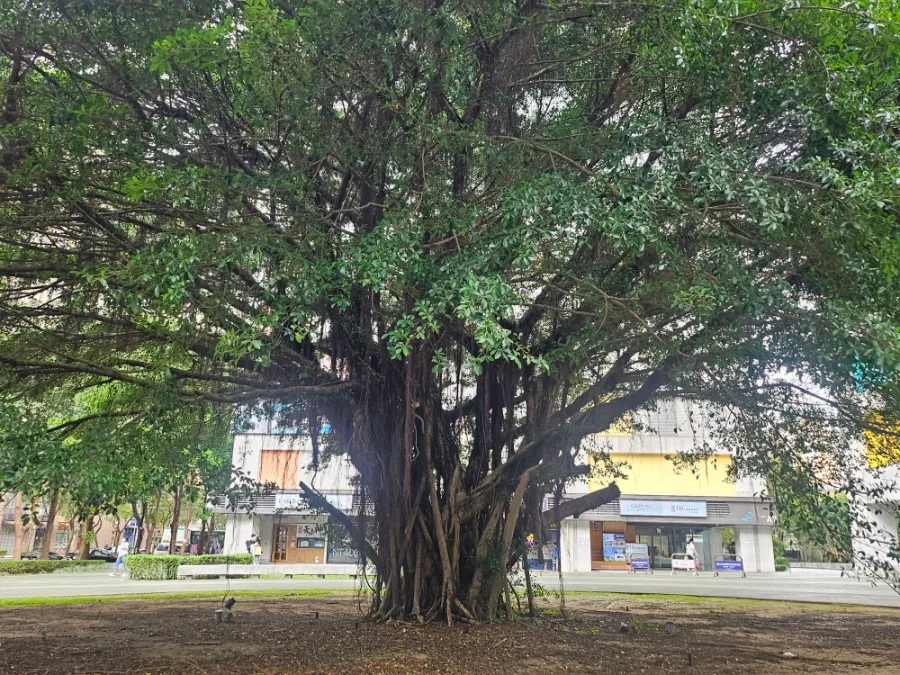
The banyan trees commonly seen lining Taiwan's streets are remarkable for their unique growth habit, creating the illusion of a forest from a single tree. Roots that descend from the branches eventually reach the ground, developing into thick, trunk-like structures. This distinctive characteristic has earned them the nickname 'One tree becomes a forest.' Banyans absorb moisture and nutrients from the air, growing into majestic forms that have become an iconic feature of Taiwan's urban landscapes. Seeing these trees reminds me of the new experiences and personal growth I'm undergoing during my time in Taiwan.
Challenges in Taiwan Life and How to Overcome Them
Life in Taiwan presents unexpected challenges, primarily stemming from differences in language and food culture. Children, in particular, require more time and effort to adapt to new surroundings. Issues such as reluctance towards school, communication difficulties, and food that doesn't suit their palate can make it tough for them. Overcoming these hurdles requires consistent encouragement and support from parents. It's crucial to validate their feelings, create positive experiences, and, when they miss the flavors of home, cook familiar Korean dishes. Instilling the belief that, much like the banyan tree, they can take root and grow in this new environment over time is vital. Offering hope and helping them envision a positive future is key.
For more details on life in Taiwan, check the original source below.