Maintaining the crispness of winter vegetables is achievable with the right fridge storage techniques. Proper methods can extend the freshness of leafy greens, root vegetables, and fruits by up to 200%. Incorrect storage, however, is the primary culprit for premature spoilage. This guide will show you how to invest just 10 minutes after grocery shopping to significantly boost your vegetables' longevity.
What's the Key to Keeping Winter Vegetables Fresh?
The core principle for keeping winter vegetables fresh long-term is providing an optimal environment tailored to each vegetable's specific needs. Refrigerators are inherently cold and dry, so preventing moisture loss and inhibiting mold growth are crucial. In practice, you'll find that storing leafy greens upright after drying them, and wrapping root vegetables in paper, greatly helps maintain their crispness. Fruits that are sensitive to cold should be kept away from direct drafts, and storage vegetables like onions and potatoes are best kept at cool room temperature, not in the fridge. Adhering to these fundamental guidelines will help preserve the crunch and freshness of your produce for much longer.
Why Shouldn't You Wash Vegetables Before Storing Them?
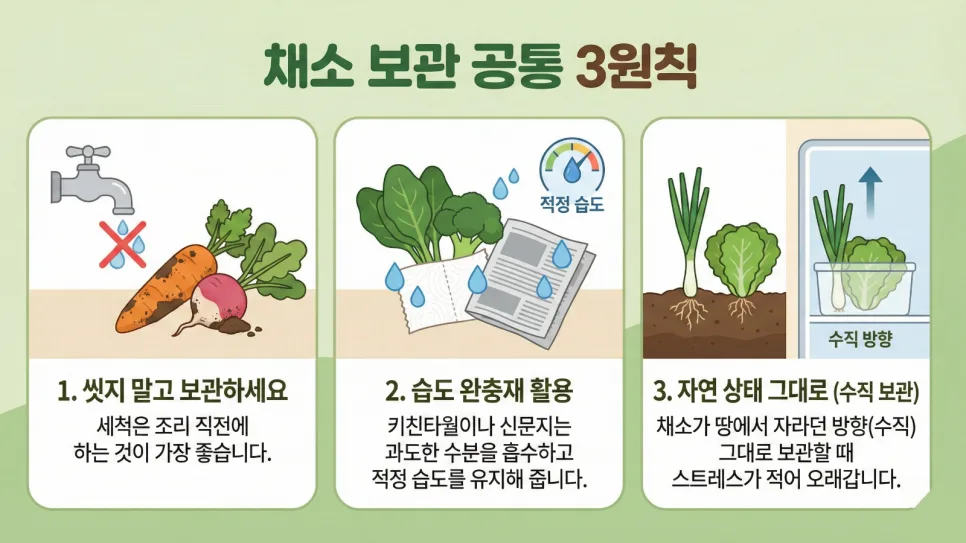
It's generally best to avoid washing vegetables before storing them. The ideal scenario is to wash them right before you plan to cook them. This is because any residual moisture left after washing can become a breeding ground for bacteria, leading to faster spoilage. Utilizing moisture-absorbing materials like paper towels or newspaper is also important. These act as humidity buffers, absorbing excess moisture to prevent mold and preventing the vegetables from drying out by maintaining an appropriate humidity level. Furthermore, storing vegetables upright, in the same orientation they grew in, reduces stress on the plant and helps maintain freshness longer. These three common principles apply to storing all types of vegetables.
Where Should Vegetables Be Stored in the Fridge?
Understanding the different temperature and humidity zones within your refrigerator is key to proper vegetable storage. The door is subject to frequent temperature fluctuations, making it suitable for vegetables you'll use quickly, like green onions or chives. The upper and middle shelves offer a more stable temperature, ideal for cucumbers, eggplants, mushrooms, and celery. The crisper drawer, designed for humidity control, is perfect for leafy greens like spinach and lettuce, as well as cruciferous vegetables such as broccoli. The kimchi refrigerator, with its low-temperature and high-humidity environment, is ideal for long-term storage of root vegetables like radishes and carrots, and even some storage crops. By utilizing these specific zones, you can effectively maintain your vegetables' freshness.
What Are the Best Storage Methods for Different Winter Vegetables?
For leafy greens like spinach and lettuce, lightly brush off any dirt, wrap them in paper towels, and store them upright in a zip-top bag in the crisper drawer. For stem and flower vegetables such as broccoli and celery, keep broccoli heads dry and wrap them in paper towels; for asparagus, place the stalks in a cup with a small amount of water to maintain crispness. Root vegetables like radishes and carrots should have their leafy tops removed, be wrapped thoroughly in newspaper, and stored vertically in the kimchi refrigerator. For fruits like cucumbers and eggplants, which are sensitive to cold, wrap them in paper towels to protect them from direct cold drafts; for longer storage, cool room temperature might be better. Onions, potatoes, and sweet potatoes should never be refrigerated; store them in a well-ventilated, cool, dark place. Mushrooms are best stored in a paper bag to absorb excess moisture.
What Are Common Mistakes When Storing Winter Vegetables?
Many common habits unintentionally cause vegetables to spoil faster. The first mistake is storing vegetables after washing them without thoroughly drying them. This creates an environment ripe for bacterial growth and mushiness, so it's crucial to dry them completely or wash them just before use. The second error is sealing vegetables in plastic bags without any ventilation. This traps gases, accelerating self-decomposition, so it's important to create small air holes for ventilation. The third common mistake is storing vegetables horizontally when they naturally grow vertically. Storing upright-growing vegetables on their side causes them to expend excess energy, leading to wilting. Lastly, refrigerating storage crops like potatoes, onions, and sweet potatoes is a mistake. These vegetables prefer cool, well-ventilated room temperatures, not the cold of the fridge. Avoiding these common pitfalls is key to keeping your vegetables fresh.
For more details, check the original source below.