Learn how to make easy mini dongchimi (Korean radish kimchi) in just 30 minutes with this beginner-friendly recipe. This quick version captures the crispness of winter radishes and the natural sweetness of fruit, making it a perfect side dish, especially when paired with red bean porridge or bossam.
What's the secret to making mini dongchimi in 30 minutes?
Fueled by a desire to try new things immediately, I decided to make mini dongchimi during a 30-minute window on a weekend. Unlike traditional dongchimi that uses large radishes, this version features bite-sized pieces that are ready to eat much sooner. While I based this recipe on one my mother taught me, my first attempt didn't quite hit the mark. However, after a few days of fermentation, it developed a wonderfully subtle and refreshing flavor when served with red bean porridge. This recipe is perfect for anyone who wants to enjoy delicious homemade dongchimi without a lot of fuss, even with a busy schedule.
What ingredients and preparation are needed for mini dongchimi?
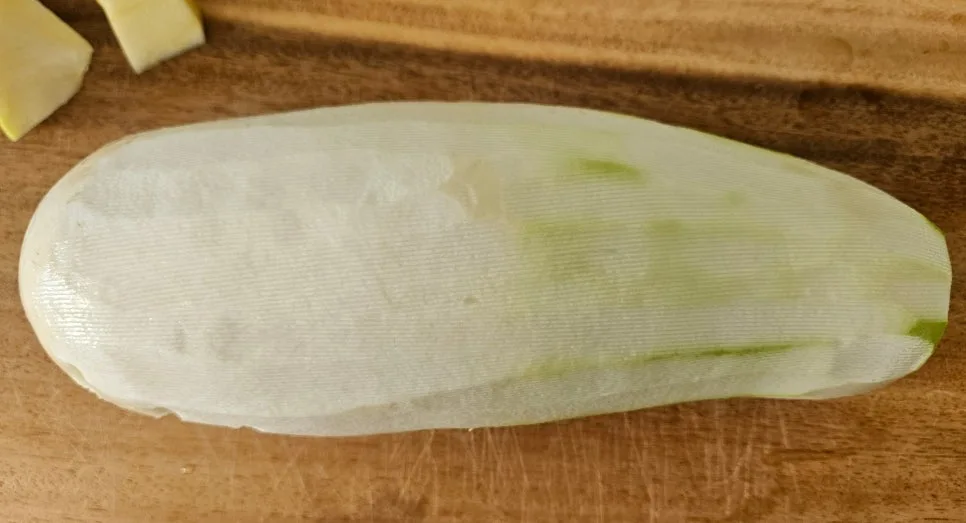
To make mini dongchimi, you'll need fresh winter radishes, apples, pears, ginger, glutinous rice flour, plum extract (maesilcheong), fish sauce (aekjeot), and salt. Start by washing the radishes and cutting them into bite-sized pieces. Sprinkle about half a cup of salt evenly over the radish pieces and gently toss to ensure the salt is absorbed, then let them sit for 15-20 minutes to pickle. If you're using a larger quantity of radishes, adjust the salt accordingly. While the radishes are pickling, prepare the glutinous rice paste by boiling glutinous rice flour with water, stirring constantly to prevent sticking, and then let it cool. Next, blend the pear, apple, and ginger in a blender, then strain the mixture through a fine-mesh cloth to create a sweet broth. These steps are crucial for developing the deep flavor of the dongchimi.
How should the dongchimi broth and seasoning be mixed?
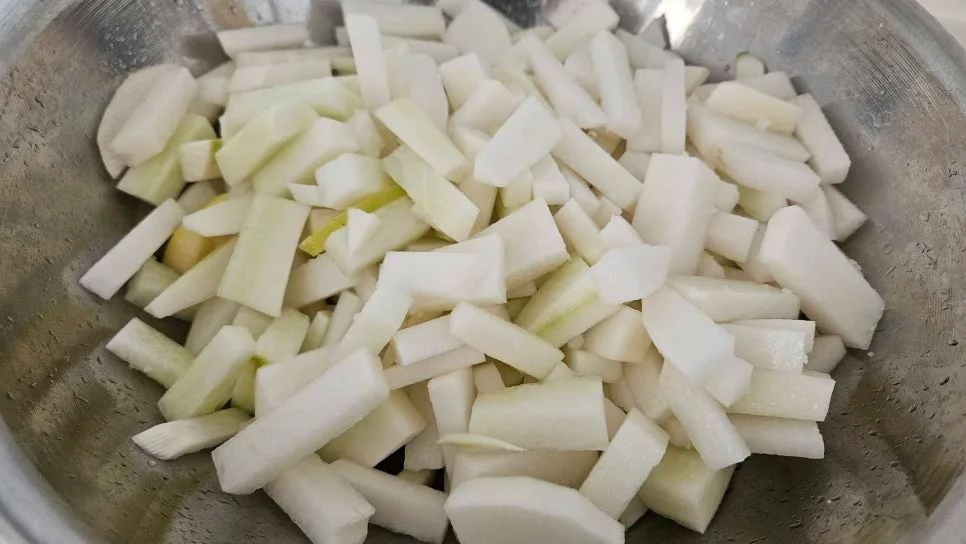
Mixing the broth and seasoning is relatively straightforward and key to the dongchimi's taste. Once the pickled radishes have released some of their liquid, place the radishes in a fermentation container. Pour the prepared sweet broth made from the strained pear, apple, and ginger mixture over the radishes. Add the plum extract, cooled glutinous rice paste, and fish sauce. Finally, add enough cold water to fully submerge the radishes. It's important to taste the mixture and adjust the sweetness and savory notes by adding more plum extract or fish sauce to your preference. For an extra layer of texture and sweetness, you can also add thinly sliced pieces of apple and pear along with the radishes before adding the liquid. This makes the kimchi even more enjoyable when eaten fresh.
How should dongchimi be fermented and stored?
To best enjoy your mini dongchimi, follow these fermentation and storage tips. On the first day, leave the finished dongchimi at room temperature to allow fermentation to begin. This process helps develop its characteristic tangy flavor and depth. The next day, transfer the container to the refrigerator to slow down fermentation and allow it to mature. While you can taste it immediately, it's recommended to let it chill and ferment for at least 2-3 days for the best flavor, as the raw radish taste can be quite strong initially. Dongchimi is a fantastic accompaniment to dishes like red bean porridge (patjuk) or bossam (boiled pork wraps), providing a refreshing contrast. Properly stored in the refrigerator, it can stay fresh and delicious for about 1-2 weeks.
What are common mistakes when making mini dongchimi?
There are a few common pitfalls to watch out for when making mini dongchimi. First, avoid over-salting the radishes; 15-20 minutes is usually sufficient to achieve a tender-crisp texture without making them mushy. Second, when making the glutinous rice paste, stir continuously to prevent burning and ensure it cools completely before adding it to the kimchi. Third, the ratio of broth to seasoning is a matter of personal taste. It's best to start with a moderate amount and adjust gradually after tasting, rather than adding too much at once. Lastly, resist the urge to refrigerate it immediately. Allowing it to ferment at room temperature for a day enhances the signature cool and complex flavor profile of dongchimi. Remember that personal preference plays a significant role, and adjusting ingredient ratios is key to achieving your ideal taste. Be aware that homemade kimchi might taste different than expected, especially for first-time makers.
For more detailed recipes, check the original source below.