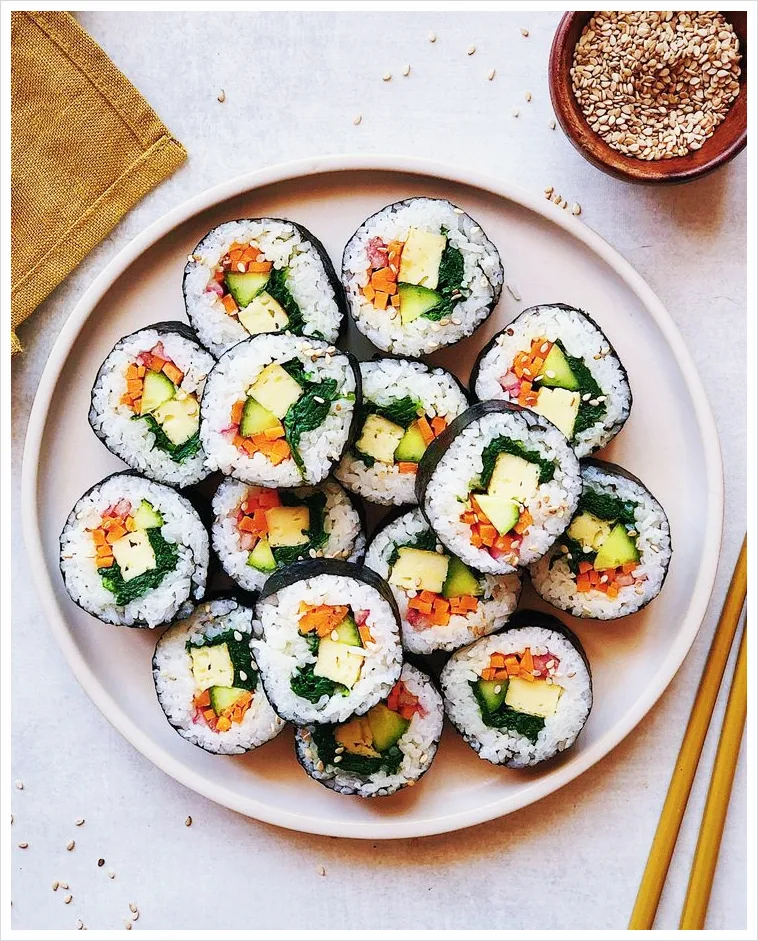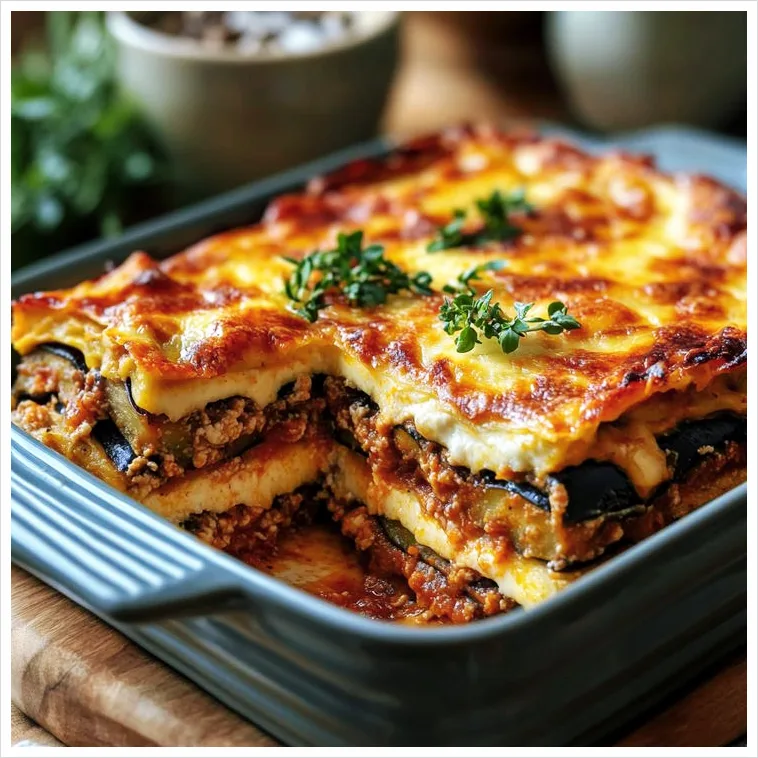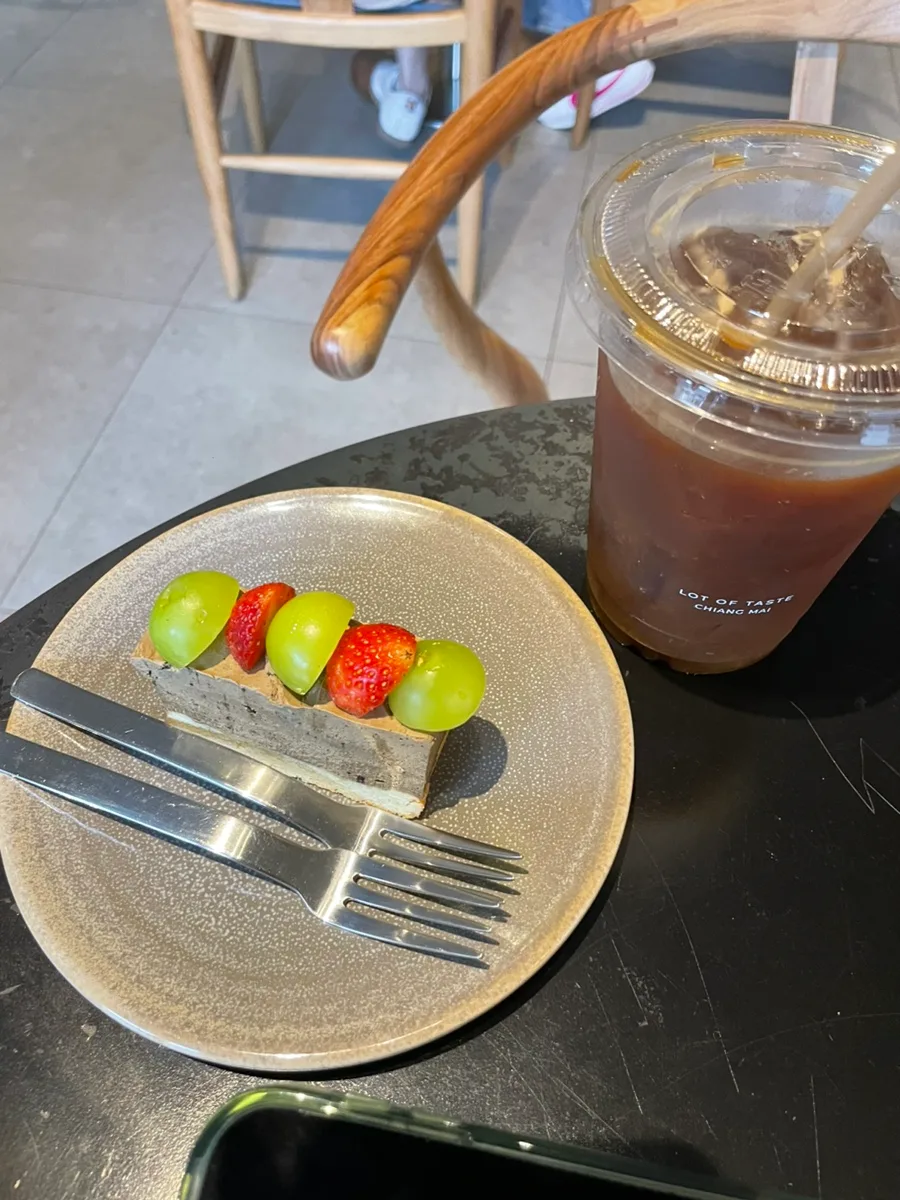
The best time for a late-night snack is generally at least 2-3 hours before bedtime, focusing on small portions of easily digestible foods to avoid burdening your stomach. Overeating or consuming overly stimulating foods can disrupt sleep quality and negatively impact your well-being the next day.
Late-Night Eating: Should You Avoid It? (2026 Insights)
The common wisdom about late-night snacks is to avoid them entirely. However, recent research suggests that *what*, *when*, and *how much* you eat late at night is more crucial than simply avoiding it. Consuming high-calorie, high-fat, or high-sodium foods during evening hours when your activity level is low can lead to weight gain, indigestion, and sleep disturbances. Personally, I’ve experienced discomfort after eating spicy instant ramen late at night. Yet, sometimes, a well-chosen late-night snack can help relieve stress or provide energy for the next day. The key is to make informed choices based on your body's rhythms and health status.
Healthy Late-Night Snacks: What to Choose and How
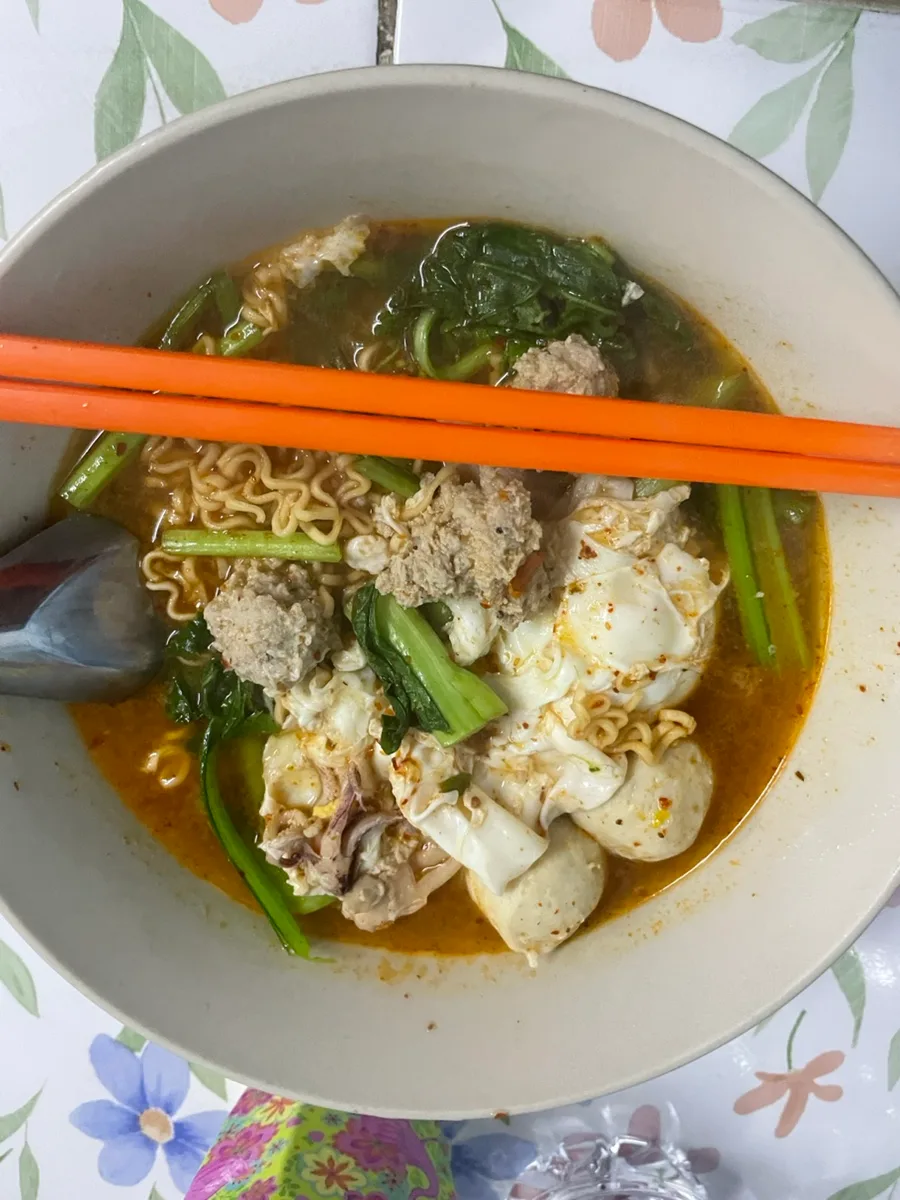
To enjoy late-night snacks healthily, follow a few principles. First, opt for easily digestible foods. A warm glass of milk, a banana, yogurt, or a small handful of nuts can provide satiety without taxing your stomach. Second, portion control is essential; eat just enough to curb hunger. Third, avoid stimulating foods. Spicy, salty, or greasy options can trigger acid reflux or heartburn. While I once chose ice cream over spicy ramen and felt better the next day, personal digestion and preferences vary, so finding what works for you is key.
When Should You Avoid Late-Night Snacking?
The primary reasons to avoid late-night eating are poor sleep quality and digestive strain. Consuming food right before bed can lead to acid reflux or indigestion, making deep sleep difficult. It's generally recommended to finish all meals at least 2-3 hours before sleeping. This is especially important after late-night work events or social gatherings; conscious effort is needed to refrain from eating. If you're genuinely hungry, a warm herbal tea or a small portion of fruit is a better choice than heavy snacks. Reflecting on a time I felt hungry after a late sound bath session, I realized a lighter snack would have been a better choice than reaching for instant noodles.
Managing Health Issues from Late-Night Eating
If you experience bloating or stomach pain from late-night snacks, immediate action is needed. First, rest in a comfortable position and drink warm water. Light stretching or a short walk can aid digestion. If symptoms are severe or persistent, consider over-the-counter digestive aids or consult a healthcare professional. Improving your late-night eating habits is also crucial. Maintaining regular meal times and ensuring a satisfying dinner can reduce late-night cravings. Sometimes, stress can be a trigger for late-night eating, and finding alternative coping mechanisms is beneficial.
For more details, check the original source below.