Master the art of Korean home cooking with this authentic Pork and Tofu Duruchigi (Spicy Braised Pork and Tofu) recipe for 2026. This dish perfectly balances the rich flavor of pork belly with the soft texture of tofu, all coated in a savory and spicy sauce, making it an ideal Korean side dish or a hearty meal with rice. Based on personal experience, this guide reveals the secrets to achieving a delicious, restaurant-quality result right in your own kitchen.
What Ingredients Do You Need for Korean Pork & Tofu Stew?
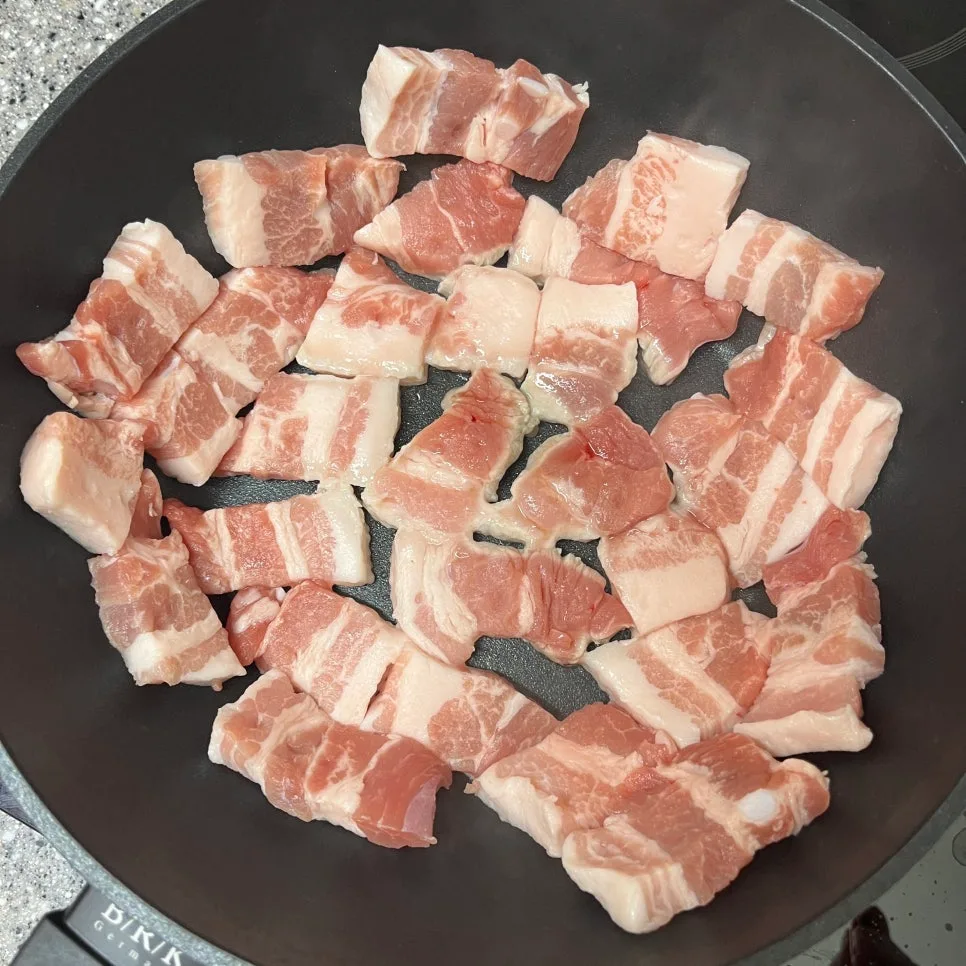
Selecting fresh, quality ingredients is key to making a delicious Pork and Tofu Duruchigi. I recommend using thick-cut pork belly, as its moderate fat content melds beautifully with the spicy sauce. For the tofu, soft stew-style tofu is preferable over firm block tofu because it absorbs the flavors more readily, resulting in a tender, melt-in-your-mouth texture. The essential sauce components include gochugaru (Korean chili flakes), soy sauce, and minced garlic. To add aromatic freshness and a delightful texture, I include fresh water parsley (minari), shiitake mushrooms, and spicy Korean green chilies (cheongyang peppers). While optional, pickled ginger on the side can elevate the overall flavor profile. Preparing these ingredients is surprisingly straightforward.
How to Make the Perfect Spicy Pork & Tofu Stew Sauce
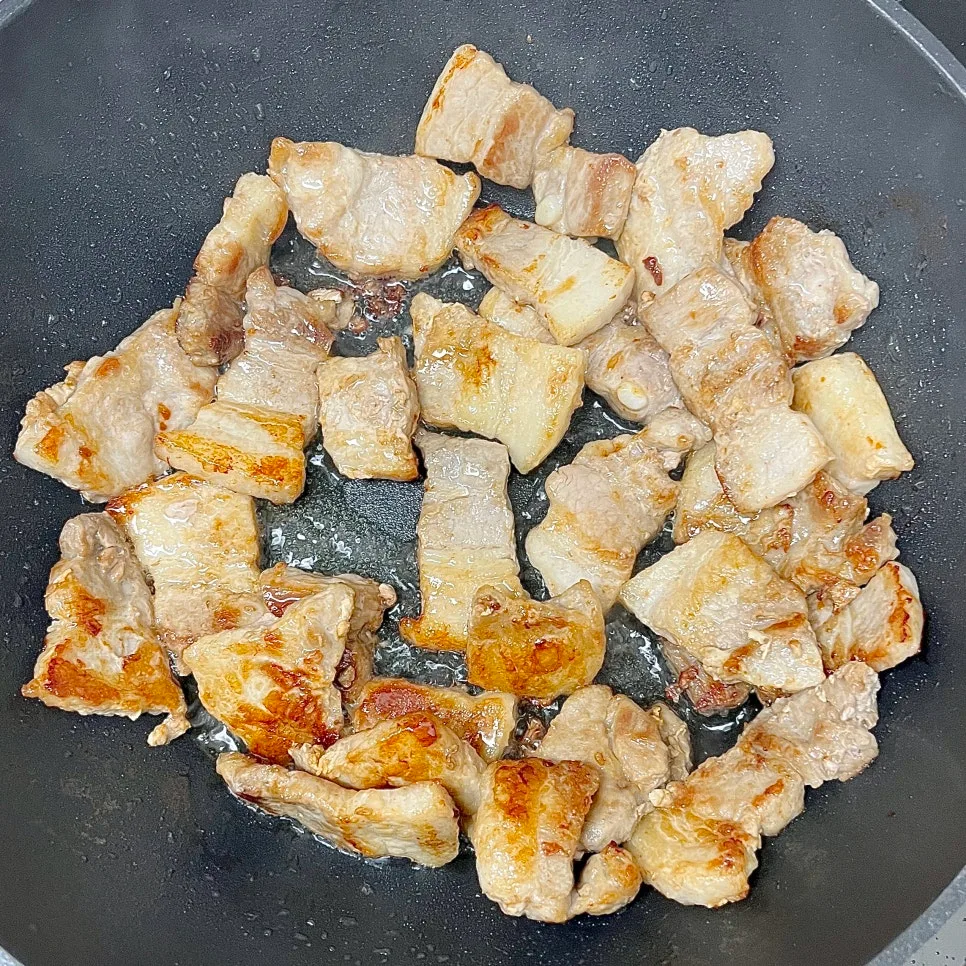
The soul of Pork and Tofu Duruchigi lies in its vibrant sauce. Begin by cooking the pork belly in a pan until it renders enough fat. You don't need to add extra oil, as the pork belly's natural fat is sufficient. Once the pork is partially cooked, add about 4 tablespoons of gochugaru and stir-fry it in the rendered fat over low heat to create a fragrant chili oil. Be careful not to burn the gochugaru; managing the heat is crucial. After the chili oil is made, add the soy sauce mixture and continue to stir-fry. As a savory and spicy aroma fills the air, add the tofu and 1.5 cups (approx. 350ml) of water. Let it simmer until the tofu is well-coated and has absorbed the flavors. This simmering process is vital for developing the deep, complex taste of the sauce. This method consistently yields a rich and satisfying flavor.
When and How Should You Add Vegetables to Tofu Duruchigi?
Once the tofu and sauce are simmering nicely, it's time to add the fresh vegetables that will provide a burst of flavor and texture. I typically use thinly sliced water parsley (minari) and shiitake mushrooms. For a touch of heat, half a spicy Korean green chili (cheongyang pepper), sliced diagonally, is added. After adding the vegetables, continue to simmer for about 3 more minutes. Overcooking will make the vegetables soft and lose their crispness, so a short cooking time is essential to maintain their fresh, crunchy texture. The steamed vegetables, especially the parsley and mushrooms, add a delicate aroma and complement the richness of the pork and tofu beautifully, creating a harmonious blend of flavors.
Tips for Enjoying Pork & Tofu Stew Even More
The finished Pork and Tofu Duruchigi is incredibly versatile. It's absolutely delicious served over a bowl of steamed rice, creating a hearty and satisfying meal. The combination of pork, mushrooms, parsley, and tofu spooned over rice is a true delight. For an extra flavor boost, try topping the dish with pickled ginger; its sweet and tangy profile cuts through the richness and enhances the overall taste. It also makes a fantastic accompaniment to Korean alcoholic beverages (soju or makgeolli), especially when enjoyed with fresh lettuce wraps or simply with rice. Personally, I find mixing it with rice to be the best way to enjoy it, and don't forget to stir-fry some rice in the leftover sauce for an excellent finishing touch. This adaptability is part of what makes this dish so appealing.
For more details, check the original source below.