Planning your 2026 Korean holiday meals? Discover festive recipes and healthy home cooking tips designed to impress your family and make your holiday table special. This guide distills essential information for a memorable celebration.
What Are Traditional Korean Holiday Recipes?
Korean holidays are celebrated with a vibrant array of traditional dishes, often highlighting seasonal ingredients. For Chuseok (Korean Thanksgiving), popular choices include Songpyeon (half-moon shaped rice cakes), Galbijjim (braised short ribs), and Japchae (glass noodles with vegetables). Each dish carries generations of culinary wisdom and heartfelt effort. Preparing these meals together as a family transforms cooking into a cherished memory-making activity. For instance, watching the meat tenderize for Galbijjim or chopping vegetables for Japchae can be a moment to reflect on the holiday's significance. These traditional dishes not only amplify the festive atmosphere but also bring a unique sense of warmth and abundance that only home-cooked meals can provide. Customizing recipes to suit family preferences adds another layer of charm to the home-cooking experience.
What Are Tips for Shortening Home-Cooked Meal Prep Time?

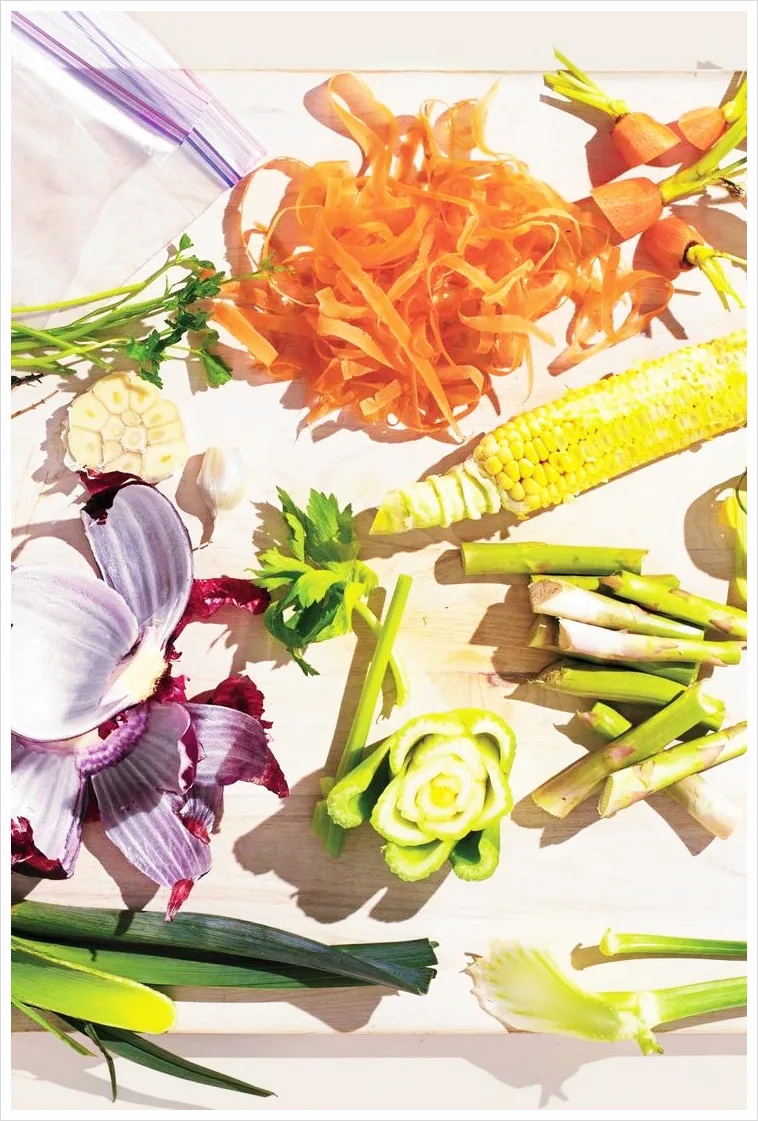
To enjoy home-cooked Korean meals even during busy holiday periods, efficient time management is key. Pre-prepping ingredients and utilizing simple, flavorful sauces can significantly cut down on day-of cooking time. For example, you can chop vegetables and store them in the refrigerator a few days before the holiday, or prepare broth bases in advance. Utilizing store-bought semi-prepared ingredients, like pre-marinated meats or pre-made broths, and enhancing them with your own homemade sauces can create a special, personalized taste. Experimenting with creative fusion dishes using leftover ingredients from your refrigerator can also add an element of fun. These time-saving tips reduce the stress of holiday cooking while ensuring your family enjoys delicious home-cooked meals.
What Are Healthy Home-Cooking Strategies for the Holidays?
Holiday meals can often be rich and lead to overeating. Prioritizing your family's health means choosing nutritious cooking methods. Opt for steaming or grilling over deep-frying, and incorporate plenty of vegetables to boost fiber intake. For instance, consider making Jjimdak (braised chicken) instead of fried dishes, or add a variety of colorful vegetables to your Japchae to increase its nutritional value. Fresh salads or fruits can serve as palate cleansers, aiding digestion and balancing the meal's overall nutrition. Using natural seasonings and herbs instead of high-sugar or high-sodium sauces can further enhance the healthiness of your home-cooked meals. It's important to tailor your diet to individual health needs, and consulting with a healthcare professional is recommended for personalized advice.
What Are Common Mistakes to Avoid When Preparing Holiday Home Meals?
One common pitfall during holiday home meal preparation is attempting to make every single dish from scratch, which can lead to excessive stress and fatigue. Another frequent mistake is deciding on the menu without considering the family's preferences. For example, a family member might have an allergy or dislike a particular ingredient, leading to uneaten food. Lastly, preparing an overly large quantity of food at once is also common, resulting in significant leftovers. It's crucial to plan the menu thoughtfully, considering everyone's tastes and dietary needs, and to prepare an appropriate amount of food to minimize waste and stress.
For more details, check the original source below.